Trying to choose between a condo and a townhome in Hillcrest? You are not alone. In this urban, walkable neighborhood, attached homes come with different ownership rules, HOA responsibilities, parking setups, and long-term costs. This guide breaks down the real differences so you can buy with clarity. You will learn what each option typically means in California, how Hillcrest’s older mid-rise buildings shape maintenance and dues, and what to check in the HOA packet before you write an offer. Let’s dive in.
Condo vs. townhome: what you actually own
In California, a condominium means you own the interior of your unit plus a shared interest in common areas. The HOA usually handles exterior maintenance, the roof, and building systems through a master insurance policy. You carry an HO-6 policy for your interior and belongings.
A townhome describes the building style, not a single legal form. Some townhomes are fee simple, where you own the structure and the land beneath it. Others are legally condos within an HOA, even if they look like a rowhome. Your responsibilities change with the legal structure. The only way to know for sure is to check the recorded deed, plat, and CC&Rs.
Practical takeaway: do not rely on the listing label. A “townhome-style condo” may still put exterior and roof under the HOA, or it may not. Verify the ownership type and who maintains what before you fall in love with a floor plan.
How Hillcrest’s stock shapes your choice
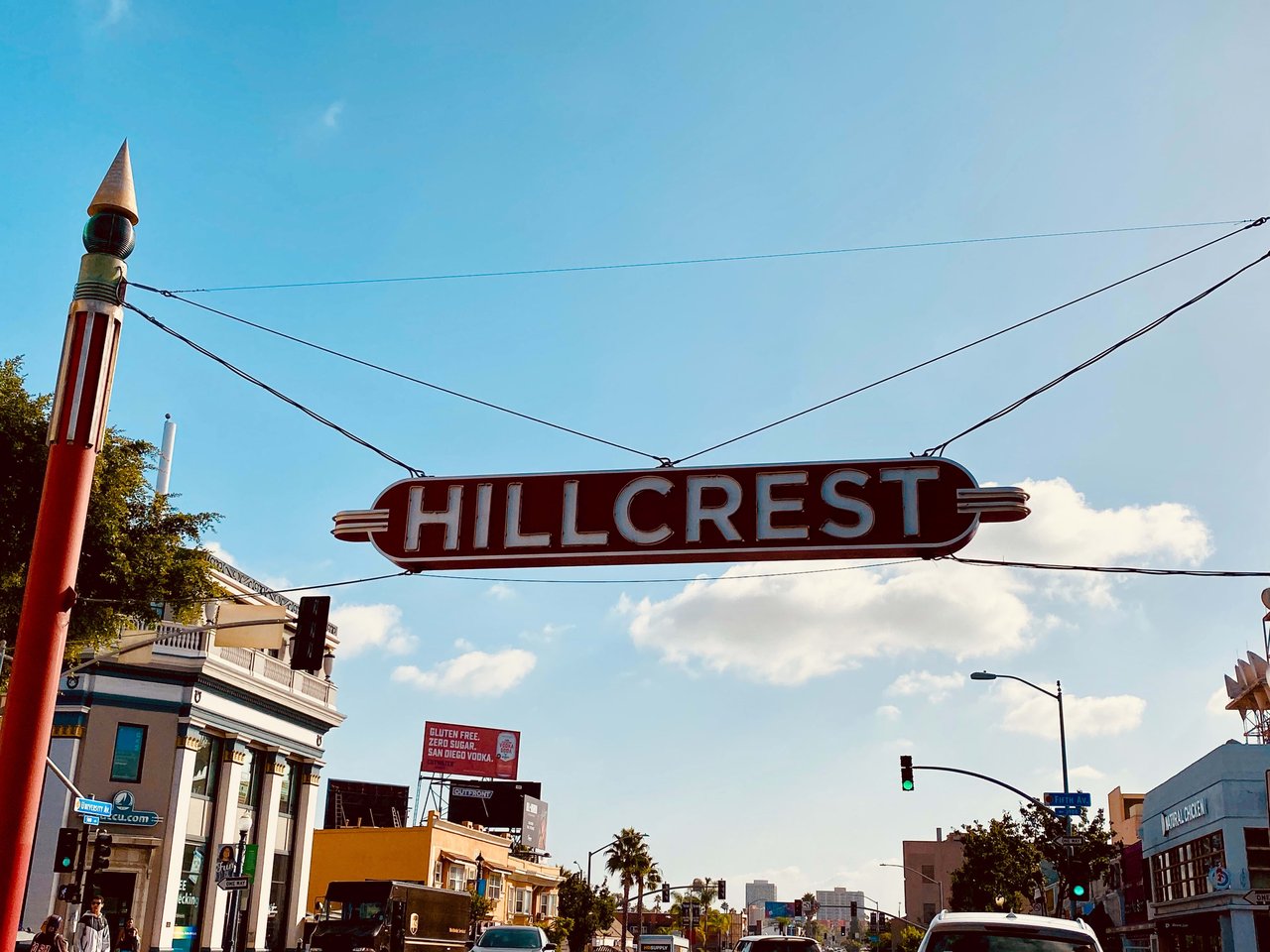
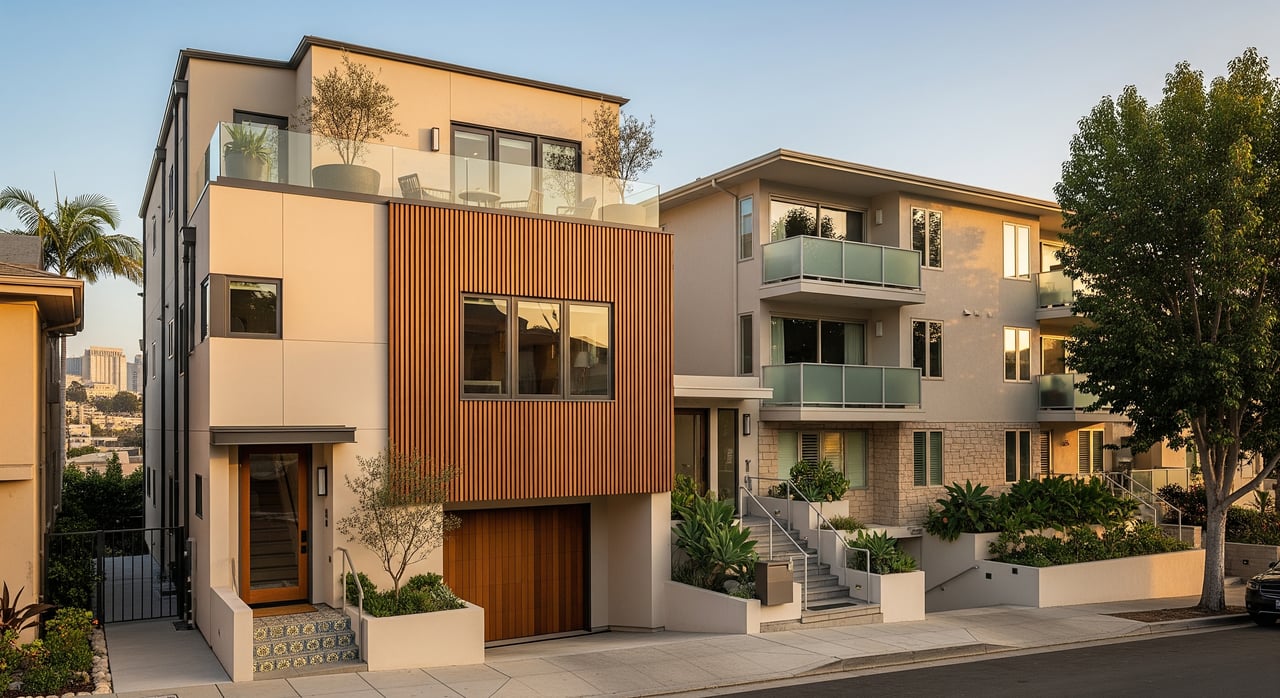
Hillcrest is dense and vibrant, with a mix of small single-family homes, low- to mid-rise condo buildings, and some attached, multi-level townhome-style communities. Many buildings were built or converted in the mid-20th century, then again in the 1980s through the 2000s. You will see everything from wood-framed mid-century walk-ups to updated mid-rise structures.
Condo buildings here are often mid-rise, three to six stories. Some were apartment conversions, which can matter for plumbing and electrical systems. Townhome-style options do exist, usually with private entries and garages, but they are less common than condos in this neighborhood.
What that means for upkeep and risk
Older mid-rise buildings can have galvanized or early copper plumbing, original electrical panels, and single-pane windows. Balconies, terraces, and flat roofs are common maintenance items. When reserves are thin, roof replacements or envelope repairs can trigger special assessments.
Townhome-style units with fee-simple ownership give you more control but also more responsibility for exterior upkeep. If each owner maintains their own exterior, the quality of maintenance can vary from unit to unit, which can affect long-term costs and curb appeal.
For both forms, understand that code and seismic standards have evolved. Some older buildings may need upgrades over time. Who pays depends on the HOA’s governing documents and reserve planning.
HOA dues: ranges, coverage, and assessments
HOA dues in Hillcrest vary widely. The key drivers are building age, the number of units sharing costs, amenities like pools or gyms, structured parking, insurance costs, and how well reserves are funded.
Typical ranges you will see around Hillcrest based on recent listings:
- Small, vintage mid-rise condos with limited amenities: roughly $300 to $700 per month.
- Larger or amenity-rich mid-rise buildings: commonly $500 to $1,000 or more per month.
- Townhome-style communities: dues can mirror condo ranges if the HOA covers exteriors and amenities. Minimal HOAs that handle landscaping only can be under $300 per month.
These are broad ranges, not quotes. Dues can change when insurance, utilities, or reserves shift. Always review the most recent budget, reserve study, and any notices of increases.
What to read in the HOA packet
Your goal is to understand who pays for what, whether reserves are healthy, and if big projects are coming. Focus on:
- CC&Rs, bylaws, and rules: define responsibility for roof, windows, exterior, and utilities.
- Budget and financials: show current dues, reserve contributions, and operating health.
- Reserve study: reveals upcoming capital projects and whether reserves are on track.
- Meeting minutes for the last 12 to 24 months: surface water intrusion, plumbing stack issues, elevator repairs, or lawsuits.
- Insurance summary: master policy scope, deductibles, and whether there is earthquake or flood coverage.
- Rental and pet policies: confirm any limits before you plan your use of the home.
Parking, storage, and mobility in Hillcrest
Parking is a real factor in Hillcrest. Many condo buildings offer one assigned space per unit, sometimes tandem. Older buildings may have surface lots or carports that are assigned rather than deeded. Guest parking can be limited, and nearby streets often have time limits or a residential permit system on certain blocks.
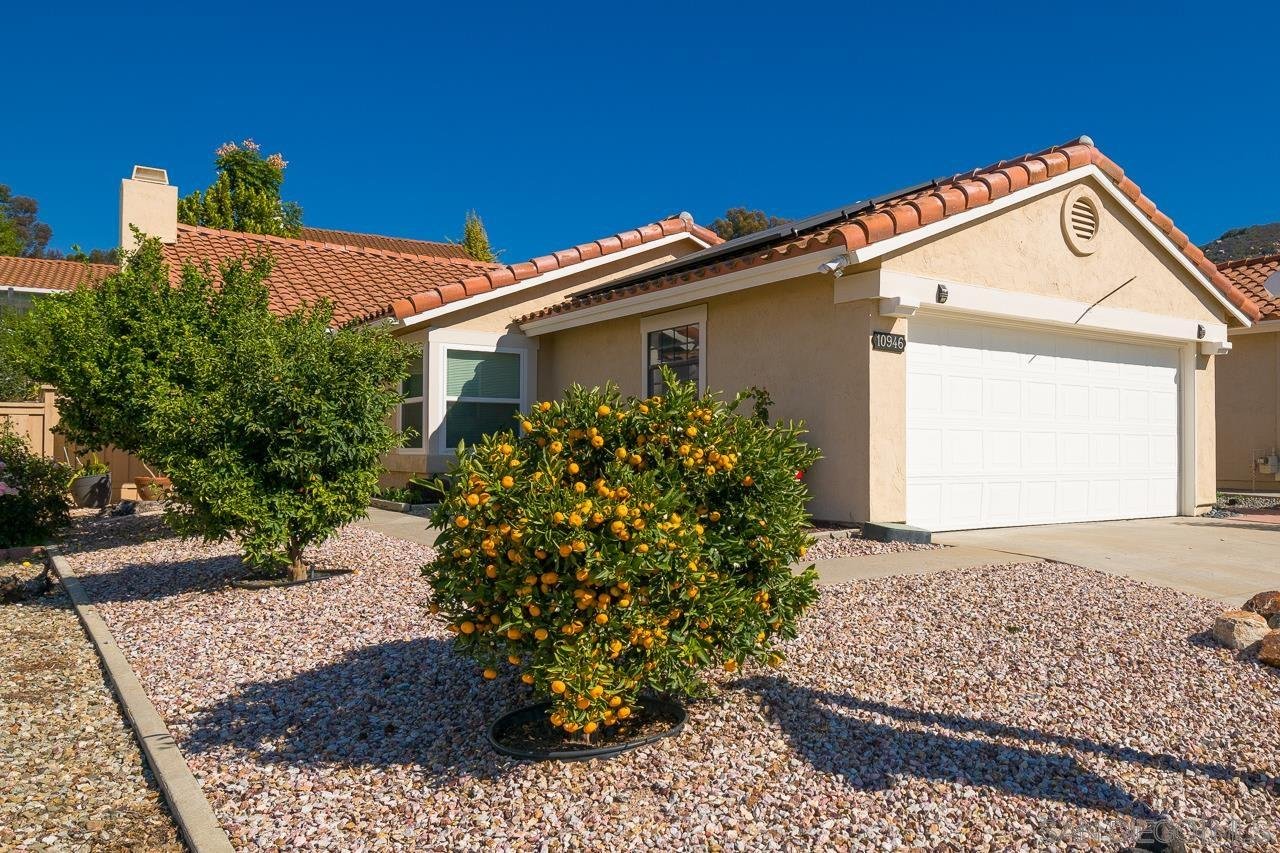
Townhome-style units frequently include private, enclosed garages, which buyers value for both convenience and resale. If you need storage, confirm whether a locker is deeded or assigned. Many buildings do not include extra storage.
EV charging is becoming more common, but older garages often are not EV-ready. Ask the HOA about policies, approval steps, and whether electrical capacity upgrades are required. For bikes, newer buildings may have secure rooms, while older ones may not.
Budgeting: monthly costs and one-time items
Plan your total housing cost, not just your mortgage. In Hillcrest attached homes, your monthly budget typically includes:
- Mortgage principal and interest.
- HOA dues.
- Property taxes. A rough estimate is around 1.1 percent of assessed value, including local assessments. Verify current rates.
- Insurance. Condo owners usually carry an HO-6 walls-in policy. Fee-simple townhome owners may need a standard homeowners policy.
- Utilities. Some HOAs include water and sewer; electricity and gas are usually separate.
One-time or periodic costs can include special assessments, rising reserve contributions, and unit-level upgrades like water heaters, HVAC, or plumbing. In older mid-rise buildings, plan for potential building-level projects such as roof replacements or balcony membrane repairs. The reserve study will help you quantify the timing and scale.
Price and resale dynamics in Hillcrest
Townhome-style units with private entries and enclosed garages often command a premium over similarly sized condos. Buyers pay for privacy, control, and secure parking. Condos may have a lower purchase price, but ongoing HOA dues reflect exterior and building system maintenance.
In Hillcrest, walkability and location narrow the price gap at times. A well-run, older condo building with strong reserves and no looming projects can outperform a poorly managed townhome community. Deeded, enclosed parking and dedicated storage add real value. The right choice is the one where the physical condition, HOA health, and daily-living features match your goals and budget.
Buyer checklist for Hillcrest attached homes
Use this list during showings and due diligence:
- Ownership type: is the unit a condo, fee-simple townhome, or part of a PUD? Confirm via deed and plat.
- Responsibilities: who maintains roof, exterior, windows, balconies, and plumbing? Check CC&Rs.
- HOA health: current budget, reserve study, percent funded, meeting minutes, and any pending litigation.
- Dues today and outlook: recent changes, planned increases, or special assessments.
- Parking: number of spaces, deeded vs assigned, tandem or side-by-side, and guest-parking rules.
- Storage: is a locker included and where is it located?
- EV charging: current infrastructure and HOA approval steps for installation.
- Rentals and pets: current rules and any caps.
- Capital projects: last roof replacement, plumbing stack work, balcony repairs, or exterior envelope projects.
Red flags to watch for
- No recent reserve study or reserves well below recommended levels.
- Active or recent litigation involving the HOA.
- Notice of large special assessments for roof, exterior, or seismic work.
- Unassigned or non-deeded parking in a high-demand area.
- Inconsistent exterior maintenance across fee-simple townhomes.
- High deductibles or unclear master insurance coverage.
Putting it all together
If you want control, a private garage, and fewer shared systems, a townhome-style property may fit. If you prefer a lock-and-leave lifestyle and do not mind shared costs for roofs and building systems, a condo can be the simpler option. In Hillcrest, the deciding factors often come down to building age, reserve strength, real parking and storage, and how the HOA is managed.
Before you commit, get the full HOA packet, read the reserve study, and hire an inspector with multi-unit experience. If you plan to hold the home as a future rental, confirm the rental policy upfront. A clear-eyed review now helps you avoid unpleasant surprises later.
Ready to compare specific Hillcrest options and run a full monthly and long-range budget? Connect with Nick Emerson for a consultative walk-through of HOA documents, building condition, and financing scenarios that fit your goals.
FAQs
Who maintains the roof and exterior on a townhome-style condo in Hillcrest?
- It depends on the legal structure and CC&Rs, so verify the recorded documents rather than relying on the listing label.
Are HOA fees in Hillcrest higher because of the neighborhood’s location?
- Fees reflect building age, amenities, insurance, and reserve funding, so location alone is not the driver.
Can I add an EV charger in a Hillcrest condo or townhome garage?
- Often yes with HOA approval and a licensed installation that meets capacity and code requirements.
How many parking spaces should I expect with Hillcrest attached homes?
- Many condos offer one assigned space, sometimes tandem, while townhome-style units more often include private garages.
What should I check if I want to rent out a Hillcrest condo or townhome?
- Confirm the HOA’s rental rules and any caps for both short-term and long-term leases before you buy.