Pricing a Hillcrest condo can feel tricky because two units with the same square footage can sell for very different numbers. You want to capture full value without overpricing and losing precious days on market. The key is to look beyond price per square foot and weigh HOA dues, building health, amenities, parking, and condition the way buyers actually do. In this guide, you will learn a clean, step-by-step way to price your Hillcrest condo with confidence. Let’s dive in.
Hillcrest basics that shape value
Hillcrest is an established, walkable neighborhood in San Diego’s Uptown area near Balboa Park and downtown. It draws a mix of single buyers, downsizers, professionals, and long-term locals who value central access, restaurants, cultural amenities, and Pride-related events. This consistent appeal supports demand, but buyers compare closely across buildings.
Most Hillcrest condos sit in mid-rise and low-rise buildings built from the 1960s through the 1990s, with some newer infill. Units often skew toward studios, one-bedrooms, and two-bedrooms, and finishes vary widely. Many older buildings may lack modern mechanical systems or recent seismic upgrades, which can affect price, days on market, and financing.
HOA dues and building health drive buyer cost
HOA dues affect your buyer’s monthly payment and the perceived quality of the building. What dues cover matters. Typical inclusions are common-area maintenance, exterior insurance, roof and building envelope, landscaping, pool or gym upkeep, trash, and sometimes water or sewer. Elevator service and even cable or Internet may be included in some buildings.
Financial health is just as important as the monthly amount. Strong reserves and recent reserve studies reduce the risk of special assessments. Buildings with low reserves, frequent or upcoming assessments, high delinquency rates, or pending litigation usually sell more slowly and at a discount. Lenders may also limit financing when litigation or structural issues exist, which narrows the buyer pool.
Rental and pet rules influence demand too. Strict rental caps can reduce investor interest, while pet bans can shrink the owner-occupant pool. These rules do not make a property unmarketable, but they can change who will compete for your unit and at what price.
What to request and review before you set a price:
- Current year HOA budget and the last 2 to 3 years of financial statements
- The most recent reserve study and any planned capital projects
- Minutes from recent board meetings
- Insurance certificates
- Outstanding litigation disclosures
- CC&Rs and bylaws, including rental and pet rules
How to reflect dues in your price decision:
- Compare monthly HOA dues across your best comps. Convert the difference into an annual figure and weigh it against a realistic holding period buyers consider. This is a practical adjustment, not a precise formula, but it helps reflect net buyer cost.
- If your building includes major utilities, present the net effective housing cost. Buyers react to their total monthly cost, not just list price.
Amenities and how they change comps
Amenities can attract buyers, but they also carry recurring costs that show up in HOA dues. Common features in Hillcrest include pool or spa, a fitness room, community space, secured package delivery, gated parking, and rooftop or courtyard areas. A well-maintained, modest gym can add value, while a full-service recreation setup may justify higher dues and different buyer expectations.
When building-to-building comparisons are unavoidable, prioritize comps with similar amenity types and quality. Consider both what is offered and how it is maintained. Overpromised or tired amenities can dampen value, even if the brochure looks great.
The unit features that move the needle
Within the same building, certain attributes reliably influence value. Focus your adjustments on these categories:
- Size and layout. Square footage is a primary driver. Efficient layouts and extra storage can push a higher price per square foot.
- Condition and finishes. Kitchen and bath updates, flooring, windows, and HVAC upgrades can move your unit into a higher price band.
- Floor and orientation. Higher floors often earn premiums for light and reduced street noise. Corner units can command more for natural light and cross-ventilation.
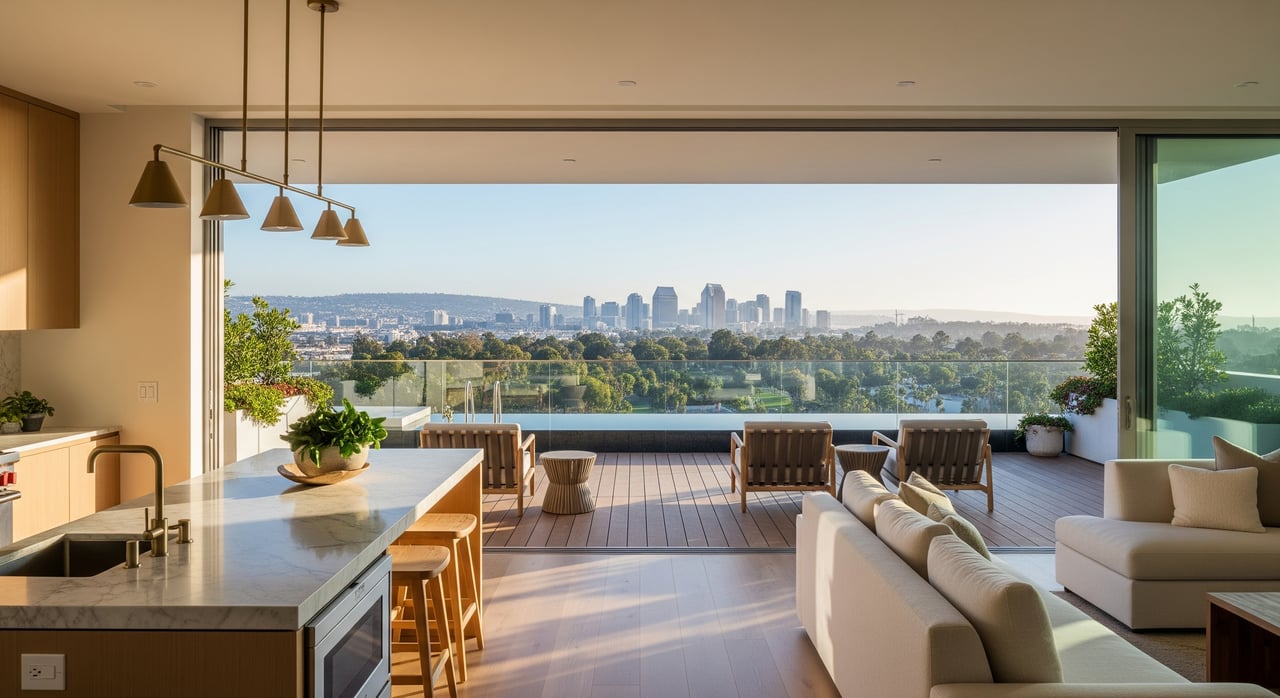
- Views. City, downtown, or partial bay views increase value. The premium varies by quality and breadth of the view.
- Outdoor space. Balconies, patios, or roof decks improve marketability in urban settings.
- Parking and storage. Deeded or assigned parking, covered stalls, EV readiness, and storage lockers materially affect demand. Lack of assigned parking often shrinks the buyer pool.
- Accessibility and mechanicals. Elevator access, building systems, and in-unit laundry can influence both price and days on market.
Building era and financing considerations
Age and construction type can place a building in a specific price band. Older buildings that have not addressed deferred maintenance or mechanical upgrades often trade at lower price per square foot. On the other hand, buildings that have completed major capital projects like roof replacement, re-piping, seismic or structural work, or exterior rehabilitation are usually more marketable and may deserve a premium.
HOA governance and legal status matter for financing. If there is pending litigation or the building is not eligible under conventional project guidelines, buyers may have fewer loan options. A smaller financing pool can mean a lower sale price or the need for concessions. Before you list, identify these issues so your pricing strategy is realistic.
A practical comp-based pricing workflow
Step 1: Gather the right data
Collect detailed facts about your unit and your HOA before you touch a list price:
- Exact address, floor plan, square footage, bed and bath count
- Parking details and storage, including whether parking is deeded or assigned
- Documented upgrades and ages of appliances and systems
- Photos that show condition clearly
- HOA documents, including budget, reserve study, minutes, CC&Rs, and any litigation notices
On the market side, pull:
- Closed sales from the last 30 to 90 days if possible, stretching to 6 to 12 months in a thin market
- Active and pending listings that will compete with you
- Expired or withdrawn listings to learn what did not work
- Days-on-market benchmarks for your building type and neighborhood
Step 2: Select and adjust the best comps
Prioritize comps in this order:
- Same building and same floor plan
- Same building, different floor
- Same block or immediate area with similar age, construction, and amenities
- Wider Hillcrest or Uptown with similar product
Adjust for the biggest value drivers first:
- Square footage. Use comp price per square foot bands that reflect condition. Apply to your unit to frame an initial range.
- Condition. Adjust for kitchen and bath upgrades, flooring, windows, and mechanicals.
- Parking. Deeded or covered parking usually carries a clear premium versus none.
- Outdoor space and views. Balconies and views can justify strong adjustments.
- Floor and orientation. Credit higher floors or quiet orientations, and discount ground floors for noise or privacy.
- HOA dues and included utilities. Normalize for cost and what is included so buyers’ monthly costs align.
- Amenities. Weigh both the type and quality of amenities.
- Special negatives. Pending assessments, litigation, or high delinquency typically warrant negative adjustments.
When possible, use paired sales in the same building to isolate the value of a single feature like parking or a view. If you cannot pair, document your rationale clearly.
Step 3: Build a simple comp grid
Create a grid that keeps you honest and consistent. Include:
- Address, close date, sale price, and days on market
- Square footage, price per square foot, beds and baths
- Floor and orientation, view type, and outdoor space size
- Parking type and storage
- HOA monthly dues and what is included
- Amenities list and maintenance quality notes
- Condition rating and notable upgrades
- Adjustment notes and adjusted price estimate
Step 4: Reconcile a price range and strategy
After adjustments, you should have an evidence-based range. Place your list price based on your goals and market tone:
- Competitive pricing near the center of the range tends to drive more showings and stronger leverage.
- Slightly below market can create bidding activity in low-inventory periods, but it is not a guarantee.
- Above market increases the risk of long days on market and price cuts later.
Step 5: Cross-check with active competition and HOA realities
Compare your reconciled price per square foot against active listings. If actives are meaningfully higher or lower, ask why. Consider seasonality and any recent shifts. Finally, re-read your HOA documents for red flags, then adjust your price or your concessions strategy to address assessments, litigation, or reserve shortfalls.
Pricing strategy, DOM, and negotiation
Your list price sets the tone for your entire negotiation. Overpricing often stretches days on market, invites price reductions, and weakens your leverage as buyers assume softness. Competitive pricing increases the odds of multiple offers and can reduce buyer negotiation power.
For condos, appraisal risk is real. Pricing above local price per square foot bands can trigger an appraisal shortfall for financed buyers. That shortfall can force you to reduce price or offer concessions. If your building faces financing challenges due to litigation or project ineligibility, expect a smaller buyer pool and plan your pricing and concessions accordingly.
Urban demand in Hillcrest can be steady, but local rhythms still matter. Watch holidays and other seasonal patterns. Always align your pricing strategy with current closed sales, active competition, and any building-specific issues uncovered in your HOA review.
Seller checklist for Hillcrest condos
Use this quick list to keep your pricing process tight:
- Gather unit facts: square footage, floor plan, parking and storage details, upgrades, appliance and system ages, and quality photos.
- Pull market data: 3 to 6 strong closed comps plus active and pending competitors, and review recent expired or withdrawn listings.
- Analyze HOA documents: budget, reserve study, board minutes, insurance, CC&Rs, litigation disclosures, and planned projects.
- Build a comp grid and document adjustments for size, condition, parking, outdoor space, views, HOA dues, amenities, and negatives.
- Set a price range, choose a list price, and prepare a strategy for appraisal and buyer financing.
- Prepare a buyer-facing net cost view that adds mortgage, HOA, property tax, and insurance so you can explain affordability clearly.
The bottom line
Pricing a Hillcrest condo is more than a square-footage math problem. The right number reflects building health, HOA dues and rules, amenities, parking, outdoor space, views, and your unit’s finish level. When you pair careful comp selection with a realistic read of your HOA and a clear pricing strategy, you protect your days on market and your negotiation power.
If you want a data-forward pricing review or you are weighing a sale that ties into larger investment goals, reach out to Nick Emerson for a consultative walk-through of your options.
FAQs
How should HOA dues affect a Hillcrest condo’s price?
- Convert the monthly dues difference versus similar comps into an annual figure, compare net buyer cost, and apply a conservative price adjustment based on a realistic holding horizon.
What do special assessments do to value and timing?
- Announced or likely assessments usually warrant a price discount to reflect immediate or near-term costs and can lengthen days on market if not addressed upfront.
How do I value assigned parking or a storage locker in Hillcrest?
- Use paired sales in the same building or nearby similar buildings to isolate the premium, then document your assumption when applying the adjustment.
What if my HOA has pending litigation?
- Expect reduced financing options, a smaller buyer pool, and potential price or concession pressure until the litigation resolves or is fully understood by lenders.
How many comps are enough to price my condo?
- Aim for 3 to 6 well-matched closed comps plus active competitors, with priority on the same building and floor plan whenever possible.
Should I list slightly below market to spark bidding?
- It can work in low-inventory periods, but results vary. Balance the strategy against current active competition, recent closed sales, and appraisal risk for financed buyers.