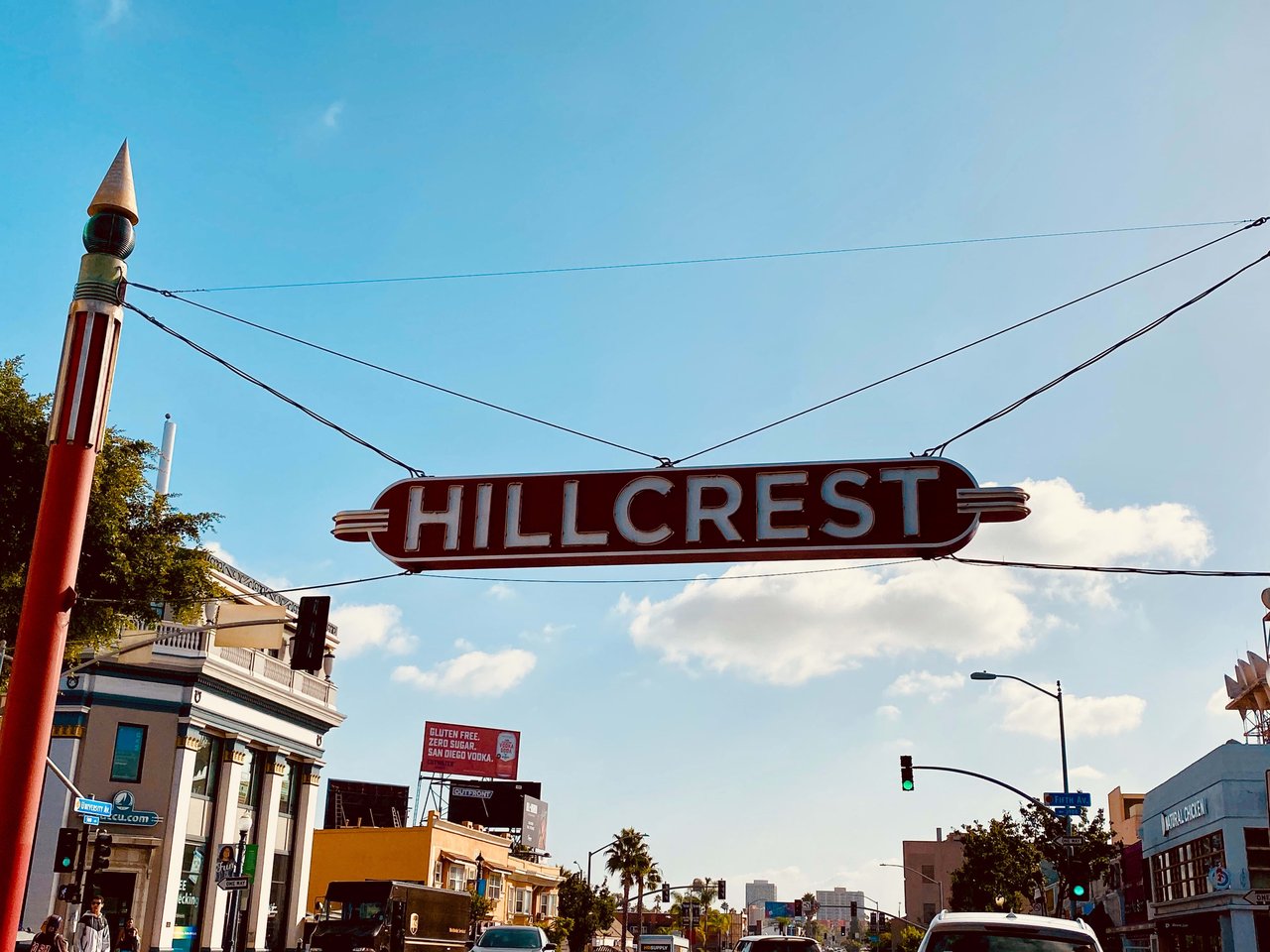
Selling a rental and eyeing Mission Hills, Hillcrest, Normal Heights, or Middletown? A 1031 exchange can keep more of your equity working by deferring taxes, but the rules are strict and the San Diego details matter. You want a clear plan for the 45- and 180-day deadlines, local costs, and how to pick the right replacement property. This guide breaks it down step by step so you can move confidently and close on time. Let’s dive in.
1031 basics that matter most
What qualifies as like-kind
You can defer federal capital gains tax when you exchange real property held for investment or business use for other like-kind real property. After tax law changes in 2017, the nonrecognition rule applies to real property only. For definitions, safe harbors, and reporting, see the IRS overview in Publication 544.
- Like-kind refers to real property for real property, not quality or grade.
- Property must be held for investment or business use, not personal use.
- You report the exchange on Form 8824 with your tax return.
For a deeper overview, review the IRS guidance in Publication 544.
The 45/180-day deadlines
Two dates control every exchange. You must identify your replacement property in writing within 45 calendar days after you transfer the relinquished property. You must acquire the replacement property by the earlier of 180 calendar days after the transfer or your tax return due date for that year, including extensions. These are calendar days without weekend or holiday extensions. The IRS details these rules in Publication 544.
Identification rules you must follow
Your written identification to the qualified intermediary must meet one of these tests:
- Three-property rule: identify up to three properties of any value.
- 200% rule: identify any number of properties if the total value is no more than 200% of what you sold.
- 95% rule: identify any number and value, but you must close on at least 95% of the total value you identified.
These rules are jurisdictional, so get the identification in writing and delivered by day 45. A practical summary is available in this identification rules explainer.
Use a qualified intermediary
The sale proceeds cannot touch your hands. A true qualified intermediary (QI) must hold the funds and limit your rights to them so you do not have actual or constructive receipt. The QI cannot be a disqualified person and must be in place by the time you close the relinquished sale. The IRS outlines these safe harbors in Publication 544.
Boot, debt, and basis after the exchange
If you receive cash or other unlike property, or your net debt goes down, you may have taxable boot. You can often avoid boot by matching or increasing debt on the replacement and adding cash as needed. Depreciation recapture is also deferred but not eliminated. If recognized later, unrecaptured Section 1250 depreciation can be taxed at up to 25 percent. See IRS guidance on character of gain and recapture rates in the Internal Revenue Bulletin.
Related-party caution
Exchanges with related parties are restricted. There is generally a two-year holding requirement for both sides when a related person is involved, and the IRS can disallow deferral if the rules are not met. Plan any related-party structure with your tax counsel.
California and San Diego costs and filings
State conformity and FTB 3840
California generally conforms to federal 1031 treatment on real property. If you exchange California real property for property outside the state, you must file the annual information return FTB Form 3840. Review the FTB 3840 instructions with your California tax advisor.
Withholding pitfalls and Form 593
If your exchange is properly structured, California withholding usually does not apply at the relinquished sale. If the exchange fails or is disqualified later, the intermediary may need to withhold, with a default calculation commonly about 3.33 percent of the sales price unless an exception or alternative method applies. The Franchise Tax Board explains exemptions and QI responsibilities in the Form 593 instructions. Coordinate early with your escrow to avoid surprises.
San Diego transfer tax and recording
San Diego County charges documentary transfer tax at $0.55 per $500 of value, equivalent to $1.10 per $1,000, collected at recording. You will also submit a Preliminary Change of Ownership Report at transfer. The City of San Diego does not impose a separate city transfer tax historically, but always confirm with title. See county recording guidance from the San Diego County Recorder.
Property tax reassessment under Prop 13
A 1031 exchange defers income tax, not property tax. Your replacement property in San Diego is generally reassessed to its purchase price at acquisition. Budget for a new property tax basis and confirm change-in-ownership reporting with your title team when you record.
Where to buy in central San Diego
Neighborhood planning context
Mission Hills, Hillcrest, and Middletown sit within the City’s Uptown planning area. Normal Heights falls within the Mid-City planning area, which is undergoing updates that contemplate more housing opportunity along transit corridors. Local community plans, zoning designations, and any planned updates affect allowable density, ADU potential, parking, and historic review. Build a zoning and planning check into diligence using the City’s Uptown community plan resources.
Common asset types and positioning
You will find a mix of low- to mid-rise multifamily, 2–4 unit plexes, small walk-ups, and corridor mixed-use across these neighborhoods. Mission Hills skews toward low-rise and small plexes. Hillcrest offers walkable multifamily with strong neighborhood retail. Normal Heights includes corridor mixed-use and smaller multifamily. Middletown is close to downtown and medical nodes and has transitional opportunities. Parcel-level zoning in RM districts, overlays, and transit-priority designations can shift what you can do, so vet zoning early.
Market metrics to frame your pro forma
Recent county-level reports through 2024 and into mid-2025 show multifamily pricing and yields in San Diego remain competitive compared with many U.S. markets. Reported average cap rates have generally ranged from the low-to-mid 4 percent to mid-5 percent, with price-per-door often in the $300,000 to $400,000 range, and vacancy near 4 to 6 percent. Central, walkable product tends to trade at tighter caps than outlying areas. For context, review a recent San Diego multifamily market report and pair it with current local comps during your search.
Step-by-step execution plan
1) Pre-sale planning
- Confirm the legal owner that will sell and the entity that will take title on the replacement to meet the same-taxpayer rule. A CPA and real estate counsel should advise. The IRS outlines these fundamentals in Publication 544.
- Engage a reputable qualified intermediary and sign the exchange agreement before or at listing. Confirm insurance, banking controls, and that the QI is not a disqualified person.
- Talk with your California tax advisor about FTB 3840 and potential withholding. If you might exchange across state lines, set a filing plan now.
- Start early title and zoning checks on target neighborhoods and discuss parking, historic overlays, and ADU feasibility with a local planner.
2) Day 0: close the sale
- Assign sale proceeds to the QI at closing. Do not receive funds directly. This starts the 45- and 180-day clocks.
- Confirm QI escrow language and preserve the full chain of title and closing statements.
3) Days 0–45: identify replacements
- Deliver written identification to your QI by end of day 45. Include street addresses or legal descriptions and APNs as required.
- Use a conservative strategy: identify three primaries and, if needed, add backups under the 200 percent rule. Keep proof of delivery.
For rule details, reference the identification standards.
4) Days 46–180: close replacements
- Close on your replacement property or properties before day 180, or before your return due date if earlier. Missed deadlines end deferral with no relief.
- If financing or title issues arise, notify your QI and counsel immediately and pivot to backup properties if needed.
5) Lender and escrow coordination
- Tell lenders upfront that your deal is an exchange. They may require specific QI documents and title language.
- Reverse exchanges usually require an Exchange Accommodation Titleholder and bridge financing. Expect more documents and longer underwriting lead times.
For safe-harbor mechanics, see the IRS guidance on reverse and improvement exchanges in the Internal Revenue Bulletin.
6) Reporting and records
- File federal Form 8824 with your tax return for the exchange year and keep the QI agreement, PCOR, and closing statements.
- File California FTB 3840 if applicable and coordinate any Form 593 withholding exemptions with escrow using the FTB 593 instructions.
Strategies when timing is tight
Reverse and improvement exchanges
If the right property appears before you sell, a reverse exchange can work by temporarily “parking” title with an accommodation titleholder under a Qualified Exchange Accommodation Arrangement. You can also use the structure to complete improvements on a parked property within the 180-day window. These options add legal and financing complexity, so use experienced providers and plan extra time. The IRS outlines the QEAA safe harbor in the Internal Revenue Bulletin.
DSTs and TICs as alternatives
A beneficial interest in a properly structured Delaware Statutory Trust can qualify as replacement property and offers a more passive route, which can help you meet the 45- and 180-day deadlines. DSTs have sponsor, fee, and liquidity considerations. Tenancy-in-common interests are another path but require more active coordination. For DST qualification basics, see Treasury’s summary of Rev. Rul. 2004-86.
Common mistakes to avoid
- Missing the 45- or 180-day deadlines. There are virtually no extensions, so start early and track dates.
- Touching sale proceeds or allowing constructive receipt. Always route funds through a qualified intermediary.
- Under-reinvesting or mismatching debt, which can trigger boot. Model cash and financing before you close.
- Ignoring California filing or withholding. Plan FTB 3840 and confirm any Form 593 exemptions with escrow before closing.
- Underestimating complexity in reverse or improvement exchanges. Budget for extra legal work and lender approvals.
- Treating DSTs as one-size-fits-all. Vet sponsors, understand fees and liquidity limits, and confirm compliance with qualification rules.
How Emerson Group supports your exchange
- 1031 strategy and execution: We help you structure timelines, coordinate with your QI, and keep the 45/180 milestones on track.
- Replacement targeting in central San Diego: We source and analyze 2–4 units, small multifamily, and mixed-use options in Mission Hills, Hillcrest, Normal Heights, and Middletown.
- Performance analytics and property management: We model pro forma returns and, once you close, offer integrated management and reporting to support cash flow and long-term planning.
- Lender, title, and tax coordination: We synchronize documents across parties and keep administrative steps like PCOR, county taxes, and California forms organized.
- Ongoing investor education: From our video library to recurring Wealth Calls, we keep you informed so each move fits your portfolio strategy.
Ready to reposition into central San Diego with a clear, tax-aware plan? Start a conversation with Nick Emerson to map your 1031 options and build a step-by-step path from sale to stabilized cash flow.
FAQs
What is a 1031 exchange for San Diego investors?
- A 1031 lets you defer federal gain by swapping investment real property for other like-kind real property, following IRS rules on timing, identification, and qualified intermediaries as outlined in Publication 544.
How do the 45- and 180-day deadlines work in a 1031?
- You must identify replacement property in writing by day 45 and close by day 180 or your return due date if earlier; these are strict calendar-day deadlines described by the IRS in Publication 544.
Which San Diego County taxes and fees apply at closing?
- Expect county documentary transfer tax of $0.55 per $500 of value, standard recording fees, and PCOR filings; the City of San Diego historically does not add a separate city transfer tax, per guidance from the County Recorder.
Do California forms apply if I exchange into or out of California?
- If you exchange California property for out-of-state property, you file FTB Form 3840 annually; consult the FTB 3840 instructions to confirm your situation.
Will my property taxes reset when I buy with a 1031 in San Diego?
- Yes, the county will generally reassess the replacement property to its purchase price at acquisition under Prop 13 change-in-ownership rules; budget for the new property tax basis.
What if I cannot find a property within 45 days?
- Consider a broader identification strategy under the 200 percent rule or a DST that qualifies under Rev. Rul. 2004-86, summarized by Treasury here, to help meet timing while you stay within IRS rules.