If your office fits in a backpack and your calendar runs on Zoom, San Diego can feel like a dream. The challenge is finding a neighborhood that matches your work style, budget, and day-to-day routine. You want quiet when you need it, cafés when you do not, and an easy hop to the airport or downtown. This guide compares Mission Hills, Hillcrest, and Normal Heights so you can focus your search, set a realistic budget, and plan smarter tours. Let’s dive in.
How to choose your base
Use these criteria to compare neighborhoods side by side:
- Neighborhood character and daily rhythm
- Housing types and how they fit your plans
- Relative price tier vs. San Diego median
- Noise patterns and livability by block
- Remote-work infrastructure like broadband, coworking, and cafés
- Transit access to downtown, airport, and freeways
- Practical tour checks, including internet speed and HOA rules
Mission Hills: quiet, historic, detached homes
Character and housing
Mission Hills is a historic, elevated residential area just north of downtown and Balboa Park. Streets are tree lined with Craftsman and Spanish-style architecture. Housing skews toward detached single-family homes with some duplexes and small condo complexes. Lots tend to be larger than in Hillcrest and Normal Heights.
Budget expectations and fit
Mission Hills typically sits above the San Diego median on price, especially for detached homes and scarce condo inventory. You choose it for quiet streets, architectural character, and space for a true home office. Inventory can be limited, so plan for a competitive search if you want turnkey condition.
Noise and livability
This is the quietest of the three areas. Nightlife is limited inside residential blocks, with small commercial nodes for essentials. Expect more traffic near main routes that connect to downtown and Balboa Park.
Remote-work infrastructure
Mission Hills works well if you need a dedicated office, natural light, or a garage that converts to workspace. Café options are fewer than Hillcrest, but you are close to Hillcrest, North Park, and downtown. For walkability checks and errands, review neighborhood metrics on the Walk Score site.
Transit and access
You are well positioned for central San Diego and the airport. Regional bus information and schedules are available via San Diego MTS. If transit matters to you, review routes and frequencies before touring.
Hillcrest: urban energy and walkability
Character and housing
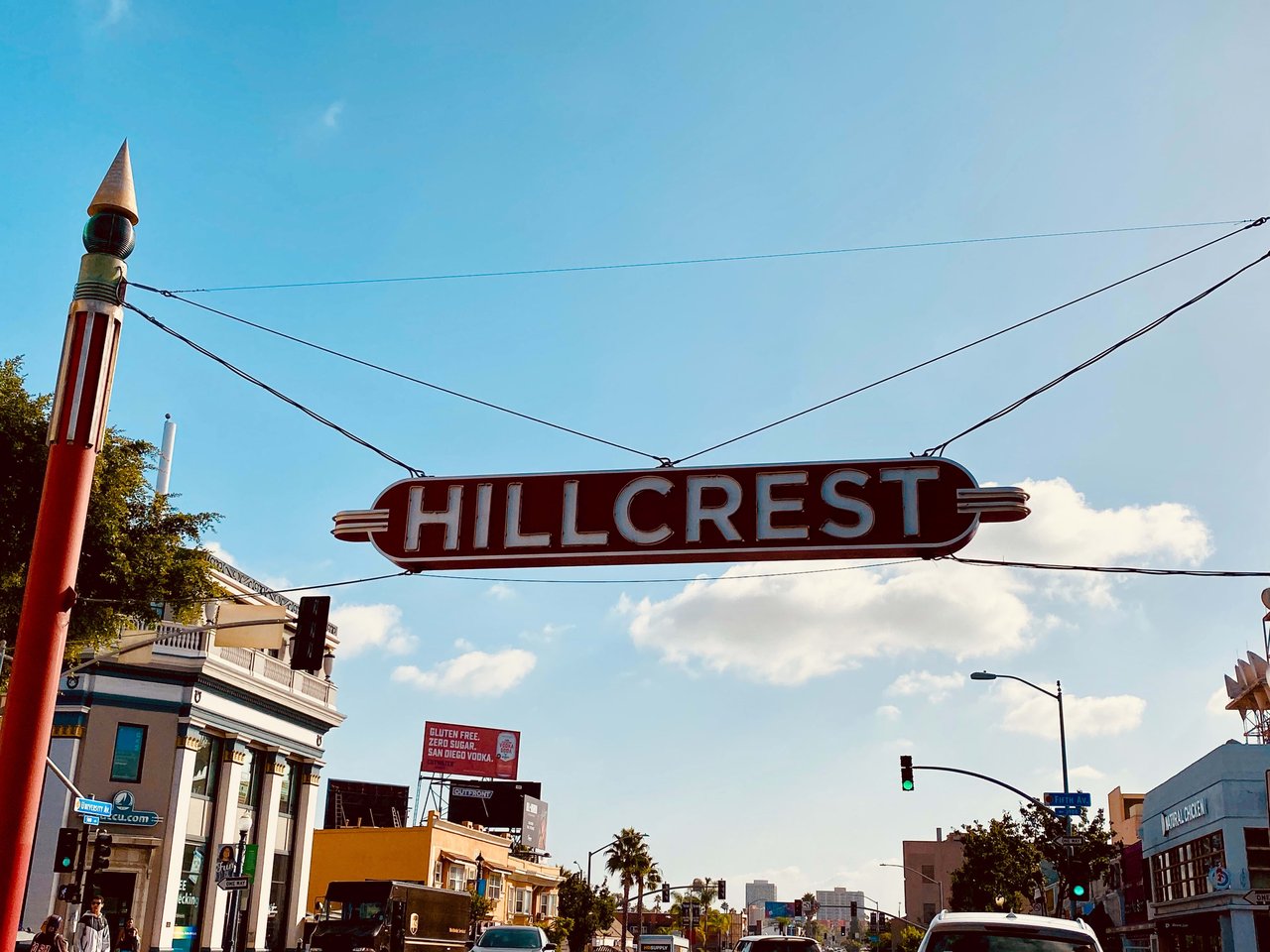
Hillcrest is dense, urban, and full of restaurants, bars, and specialty shops. You will see mid-century apartments, condo conversions, and smaller 2 to 3 unit buildings. Single-family homes exist but are less common than in Mission Hills and Normal Heights.
Budget expectations and fit
Condo and smaller unit pricing often tracks around or above the city median due to high demand and a central location. You pick Hillcrest for lively streets, strong walkability, and quick access to dining and services. It suits remote workers who want amenities within blocks.
Noise and livability
This is the most active of the three neighborhoods. Evenings and weekends see more sound from restaurants and bars, especially along University Avenue and the Fifth and Normal Street corridors. If you need quiet, aim for interior units, better soundproofing, or buildings set away from main streets.
Remote-work infrastructure
You will find a high density of cafés for daytime laptop work and several coworking or business center options in or near the neighborhood. Street parking can be tight, and many buildings rely on permits or small garages. Check noise inside potential workspaces during peak hours.
Transit and access
Buses serve Hillcrest frequently, which helps for downtown access. Plan routes and timings using San Diego MTS so commuting days and airport trips are predictable.
Normal Heights: bungalow vibe and balance
Character and housing
Normal Heights centers on the Adams Avenue commercial strip and blends longtime residents with younger professionals. Housing includes Craftsman bungalows, small single-family lots, duplexes, and small apartment buildings. There is a mix of owner-occupied and rental properties.
Budget expectations and fit
Normal Heights often offers more value than Mission Hills for single-family options and can be comparable or slightly lower than Hillcrest. It is a strong middle ground if you want a dedicated office, a neighborhood feel, and access to cafés without the highest price tier.
Noise and livability
Noise is moderate and concentrated near Adams Avenue with restaurants, bars, and periodic live music. Interior residential blocks tend to be calmer. If you are sensitive to sound, walk the block at different times before deciding.
Remote-work infrastructure
Expect a healthy café scene along Adams Avenue with many daytime laptop-friendly spots. Formal coworking centers are fewer than in Hillcrest, but you can supplement with nearby neighborhoods when needed.
Transit and access
Parking is generally easier than in Hillcrest, with bus service and reasonable freeway access. Confirm routes and schedules through San Diego MTS if you plan to use transit regularly.
Side-by-side takeaways
- Quietest home office: Mission Hills is usually the most peaceful with more detached homes and dedicated room options.
- Best café density and coworking: Hillcrest leads for walkable choices. Normal Heights offers a strong Adams Avenue café row.
- Value for a house with an office: Normal Heights often balances budget and space for a converted bedroom or garage office.
- Condo convenience near amenities: Hillcrest typically offers the widest selection, with pricing at or above the city median for similar units.
- Parking and guest visits: Mission Hills and Normal Heights often provide easier street or off-street parking than Hillcrest.
Connectivity and internet checks
Reliable internet is essential. Cox and AT&T cover most central neighborhoods, with address-specific speeds and fiber availability. Before you write an offer, verify:
- Address-level service and speed on the FCC Broadband Map
- Plan availability with Cox Communications and AT&T’s availability tool
- Real-world speed by running a test during your tour at the spot you plan to work
- Where the modem and router sit, whether Ethernet jacks are present, and if wiring has been updated
If you like third places for a change of scenery, check café hours and coworking reviews on Google Maps before you move.
Libraries, parks, and quiet spaces
San Diego’s library branches are useful for quiet work time, printing, and community rooms. Branch hours can change, so confirm the closest location on the San Diego Public Library site. Proximity to Balboa Park from Mission Hills and Hillcrest also gives you shaded outdoor spots for short sessions.
Budget and HOA considerations
- Relative tiers: Expect Mission Hills to require the highest budget for detached homes. Hillcrest condo pricing often sits around or above the city median. Normal Heights tends to be more value oriented for single-family bungalows and 2 bedroom units.
- HOA realities: If you buy a condo or a unit in a small building, review dues, reserves, rental caps, pet policies, and any short-term rental rules. Verify municipal regulations with the City of San Diego and confirm HOA documents during due diligence.
- Older home costs: Many homes in Mission Hills and Normal Heights are older. Ask about foundation, wiring, seismic improvements, and HVAC age. These items affect total cost of ownership.
For neighborhood-by-neighborhood data like walkability or transit planning, use Walk Score’s metrics and route planners from San Diego MTS. For broader planning and regional context, review resources from SANDAG.
Tour checklist for remote workers
Print this and take it with you:
- Internet: Run a wired or Wi‑Fi speed test in the intended office location. Ask for past speed test results.
- Office room: Confirm a door for privacy, natural light, and camera-friendly orientation.
- Noise: Visit at a weekday morning, midday, and weekend evening. Stand near windows facing streets.
- Power and wiring: Count outlets, check Ethernet jacks, and note modem/router location.
- HVAC: Listen to the system during a call. Make sure airflow and noise work for long meetings.
- Parking and deliveries: Test guest parking now. Consider package delivery ease for equipment.
- HOA and building rules: Review any work-from-home or visitor policies if in a multi-unit building.
- Nearby amenities: Map cafés within a 10 minute walk, your nearest library branch, and your go-to groceries.
Plan your tours and next steps
- Pre-tour: Scan walkability and errands with Walk Score. Check bus routes and travel times through San Diego MTS. Confirm ISP coverage using the FCC Broadband Map plus Cox and AT&T.
- On-tour: Use the checklist. Take notes on sound, parking, and café density by block.
- Post-tour: Build a realistic budget that includes mortgage or rent, HOA dues if applicable, utilities, and a coworking membership if you want added flexibility.
If you want a focused, no-drama search and clear advice on tradeoffs between these neighborhoods, reach out. We work this central corridor every day and can help you align your lifestyle goals with a smart budget and a clear plan. Book a consultation with Nick Emerson to map your shortlist and next steps.
FAQs
Which neighborhood is quietest for a home office in central San Diego?
- Mission Hills is typically the quietest of the three, with more detached homes and fewer late-night corridors.
How do home prices compare across Mission Hills, Hillcrest, and Normal Heights?
- Mission Hills generally sits above the city median for detached homes, Hillcrest condo pricing is often around or above the median, and Normal Heights tends to offer more value for single-family options.
Where can I find coworking and café options near Hillcrest and Normal Heights?
- Hillcrest has the highest density of cafés and nearby coworking choices, while Normal Heights offers many daytime laptop-friendly cafés along Adams Avenue; verify current options on Google Maps.
How do I verify internet reliability at a specific San Diego address?
- Check the FCC Broadband Map for providers and speeds, then confirm plans with Cox and AT&T and run a speed test during your tour.
What should remote workers look for during a home tour?
- Prioritize a dedicated room with natural light, run an internet speed test, assess noise at different times, check outlets and Ethernet, and review HOA policies if applicable.
How can I check transit and parking before I commit?
- Use San Diego MTS to test routes and visit at peak times to evaluate street or garage parking; you can also review neighborhood information on the City of San Diego website and consult San Diego Police Department resources for official community data.