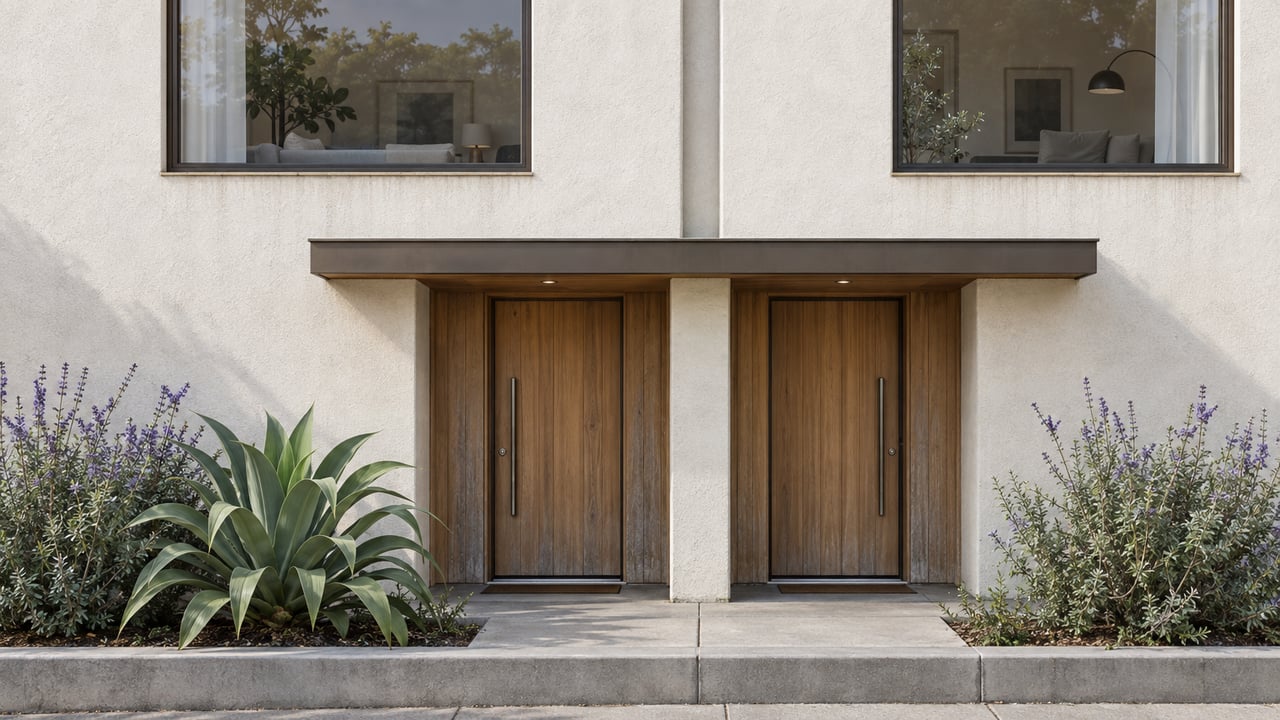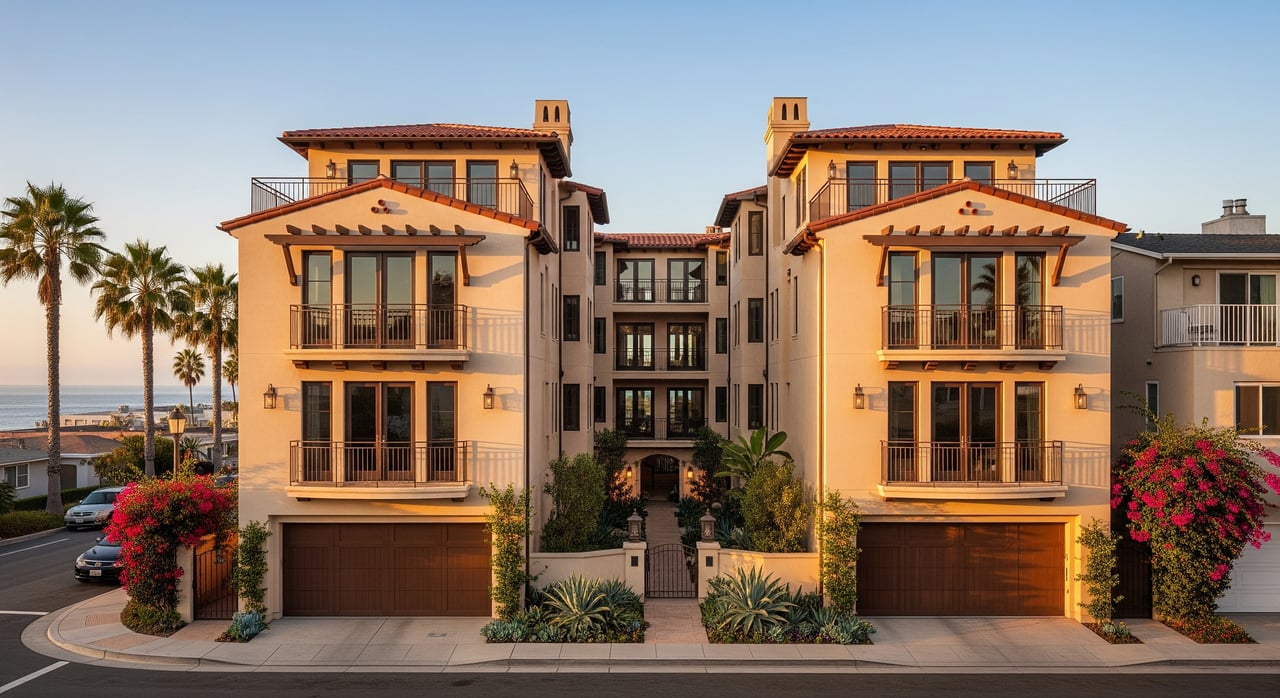
Thinking about investing in San Diego real estate but unsure where to start? You are not alone. Entry prices are high, and the numbers can feel intimidating at first glance. The good news is that 2-4 unit properties can give you multiple rent streams, flexible financing, and a practical path to build long-term wealth. In this guide, you will learn how small multifamily works in San Diego, the financing routes that beginners use, how to underwrite a deal, and what local rules to know before you buy. Let’s dive in.
Why 2-4 units in San Diego
San Diego is a high-cost coastal market with strong demand and limited supply. That combination often means higher prices and lower starting cap rates compared with many inland markets, but it also supports stable rents and long-term appreciation potential. With 2-4 units, you spread vacancy risk across multiple tenants and can offset your housing cost if you live in one unit.
Compared with a single-family rental, small multifamily can offer operational efficiency. You centralize maintenance, management, and utilities, and you can scale faster with one roof instead of several scattered homes. For many first-time investors, buying a duplex, triplex, or fourplex is the most direct on-ramp to multifamily.
How these properties work
Typical setups
- Duplex: two units side-by-side or stacked. A common strategy is to live in one unit and rent the other.
- Triplex and fourplex: three or four units on one lot. Some buildings may be candidates for condo conversion, subject to local rules and approvals.
- Unit mix and utilities: 1–3 bedroom units are common. Expenses depend on whether utilities are separately metered or master-metered.
Zoning basics
Zoning sets what you can build or modify on the lot. In the City of San Diego, check the current zoning designation, allowed density, parking requirements, setbacks, and any overlays such as historic districts or coastal zones. Confirm that all units are permitted and that any past renovations have finaled permits.
Management and maintenance
Multiple tenants reduce the impact of one vacancy, but you will manage more leases and common areas. Plan for regular turnover, especially near universities where cycles can be seasonal. Budget for upgrades that drive rent and value, including kitchens, bathrooms, plumbing, HVAC, and potential submetering.
Financing paths that work
Owner-occupied options
- FHA loans: You can use FHA to buy 2-4 units if you occupy one as your primary residence. FHA typically allows a low down payment for eligible borrowers and may count a portion of expected rental income from the other units when you qualify.
- Conventional owner-occupied: Fannie Mae and Freddie Mac also finance 2-4 unit homes you live in. Down payments are often lower than non-owner loans, with terms that vary by program and your profile.
Owner-occupancy can be a strategic advantage. You may access better rates and lower down payments, but you must meet the lender’s occupancy rules and intent to occupy.
Investor loan options
If you will not occupy a unit, expect higher down payments and rates. Conventional investment loans for 2-4 units often require 20 to 30 percent down, stronger reserves, and more conservative underwriting. Local banks and credit unions sometimes offer niche portfolio products for small multifamily.
How lenders underwrite these deals
- Rental income: Lenders typically include a portion of market or existing rents in your qualifying income. Many use a percentage such as 75 percent for underwriting.
- DSCR: For investor loans, lenders often want a Debt Service Coverage Ratio at or above about 1.15 to 1.25. Owner-occupied loans focus more on your personal income and credit.
- Reserves and documentation: Be ready to show reserves equal to several months of payments, leases, and a rent roll.
Questions to ask lenders:
- How much of the other units’ rent can you use to qualify?
- What down payment and DSCR do you require for my scenario?
- How long must I occupy the property for owner-occupied terms?
- What reserve amount and documentation will you need?
A simple underwriting framework
Core metrics to know
- Gross Scheduled Rent (GSR): All units’ market rent if fully leased.
- Vacancy allowance: Use 5 to 10 percent, based on the submarket and seasonality.
- Effective Gross Income (EGI): GSR minus vacancy, plus other income.
- Operating expenses: Taxes, insurance, owner-paid utilities, maintenance, management, HOA if any, legal, accounting, supplies, advertising, and replacement reserves.
- Net Operating Income (NOI): EGI minus operating expenses.
- Cap Rate: NOI divided by purchase price.
- Debt Service: Annual principal and interest payments.
- Cash Flow Before Tax: NOI minus debt service.
- Cash-on-Cash Return: Annual cash flow before tax divided by total cash invested.
- DSCR: NOI divided by debt service.
Step-by-step example
Assume a fourplex with a purchase price of $800,000 and market rent at $2,000 per unit per month.
- GSR: 4 units x $2,000 x 12 months = $96,000.
- Vacancy: 7 percent of GSR = $6,720. EGI = $96,000 minus $6,720 = $89,280.
- Operating expenses: Estimate 40 percent of EGI = $35,712. NOI = $89,280 minus $35,712 = $53,568.
- Debt service: Assume $42,000 per year. Cash Flow Before Tax = $53,568 minus $42,000 = $11,568.
- Cap Rate: $53,568 divided by $800,000 = 6.7 percent.
- Cash invested: $160,000 down plus $10,000 closing = $170,000. Cash-on-Cash = $11,568 divided by $170,000 = 6.8 percent.
- DSCR: $53,568 divided by $42,000 = 1.28.
These are illustrative numbers. In San Diego, purchase prices and some expenses can be higher, so always calibrate with local comps and real quotes. Run sensitivity cases with lower rents or higher vacancy to see how your returns hold up.
Due diligence checklist
- Rent roll and leases: Verify rent amounts, terms, expirations, and deposits.
- Market rents: Pull comparable leases and listings for each unit type.
- Physical inspections: Roof, plumbing, electrical, HVAC, foundation, pests, and potential lead or asbestos in older buildings.
- Utilities: Confirm tenant-paid vs owner-paid utilities and submetering options.
- Zoning and compliance: Verify legal unit count, parking, permits, and code status. Confirm any short-term rental permissions if relevant.
- Title and taxes: Check for liens, easements, and the property tax status with the County.
- Insurance: Get quotes for multifamily coverage and liability.
- Historical financials: Review invoices, receipts, and tax returns if available.
- Renovations and permits: Confirm work was permitted and finaled; identify any open violations.
San Diego rules and risks to know
Tenant protections
California has statewide tenant protections that limit rent increases on covered units and set just cause standards for non-renewal. The City of San Diego can add local rules. Always confirm which rules apply to your specific property and unit mix.
Short-term rentals
San Diego requires registration and compliance for short-term rentals. If you plan to rent any unit for short stays, verify current license categories, caps, taxes, and operating rules with the city before you buy.
Taxes and depreciation
Residential rental property is typically depreciated over 27.5 years, which can reduce taxable income. If you later sell, a 1031 exchange may allow you to defer capital gains when you trade into another investment property, subject to IRS rules and timelines. California state tax applies to rental income and gains, and Proposition 13 limits annual property tax assessment increases, with reassessment at change of ownership or certain new construction.
Insurance and hazards
Multifamily policies can cost more than single-family coverage, and liability exposure increases with common areas. Review hazard risks such as wildfire, flood, and seismic, and confirm the availability and cost of coverage during due diligence.
Strategy and exit options
Pros of 2-4 units
- Diversified income from multiple tenants.
- Potentially lower down payment and better terms with owner-occupancy.
- Operational efficiency versus multiple scattered single-family homes.
- Value-add upside with renovations, utility separation, or legal unit verification.
Cons to plan for
- Higher acquisition price and more complex management.
- Local regulatory exposure, including tenant protections and STR rules.
- Selling a small multifamily can be more involved than selling a single-family home.
Common exits
- Hold long term for income and stability.
- Renovate and sell to an investor or an owner-occupant.
- Where feasible, pursue condo conversion with proper approvals.
- Use a 1031 exchange to defer capital gains and reposition your portfolio.
Quick-start worksheet
Use this mini worksheet to organize your first pass. Then request quotes and refine the numbers.
- Property price target and address.
- Unit mix and expected market rents per unit.
- Vacancy rate assumption and other income (parking, laundry).
- Owner-paid expenses: taxes, insurance, utilities, management, maintenance, reserves.
- Financing terms: loan type, rate, down payment, closing costs, reserves.
- Outputs: GSR, EGI, expenses, NOI, debt service, cash flow, Cap Rate, Cash-on-Cash, DSCR.
- Sensitivity cases: 5 to 10 percent lower rents, 1 to 2 percent higher rate, extra CapEx in year one.
Next steps with Emerson Group
If you want a practical, numbers-first plan for buying your first 2-4 unit in San Diego, you are in the right place. Emerson Group combines acquisition brokerage, property management, performance analytics, and 1031 strategy so you can move from offer to operations with confidence. Book a consult and we will help you underwrite deals, compare financing paths, and map a clear acquisition-to-management plan. Start by reaching out to Nick Emerson.
FAQs
What is a 2-4 unit property and why choose it?
- A 2-4 unit property is a duplex, triplex, or fourplex on one lot. It offers multiple rent streams, owner-occupancy financing options, and operational efficiency compared with a single-family rental.
Can I use FHA to buy a San Diego duplex?
- Yes, FHA permits 2-4 unit purchases if you live in one unit as your primary residence and meet program requirements, including intent to occupy and documentation rules.
How do I estimate operating expenses for underwriting?
- Start with a line-item budget for taxes, insurance, utilities, maintenance, management, and reserves. As a quick screen, many investors test 35 to 45 percent of EGI, then refine with real quotes.
What vacancy rate should I use in San Diego?
- A 5 to 10 percent vacancy allowance is a common range. Adjust based on submarket and seasonality, especially near universities where turnover can be higher.
Are short-term rentals allowed in 2-4 unit buildings?
- Short-term rentals require city registration and compliance with local limits and operating rules. Always verify current requirements with San Diego before assuming STR income.
What is DSCR and why does it matter to lenders?
- Debt Service Coverage Ratio is NOI divided by annual debt service. Many investor loans look for DSCR at or above about 1.15 to 1.25 to show the property can support the debt.
How long must I live in the property for owner-occupied financing?
- Lenders require intent to occupy and a defined occupancy period. Ask your lender for their specific requirements before you apply.