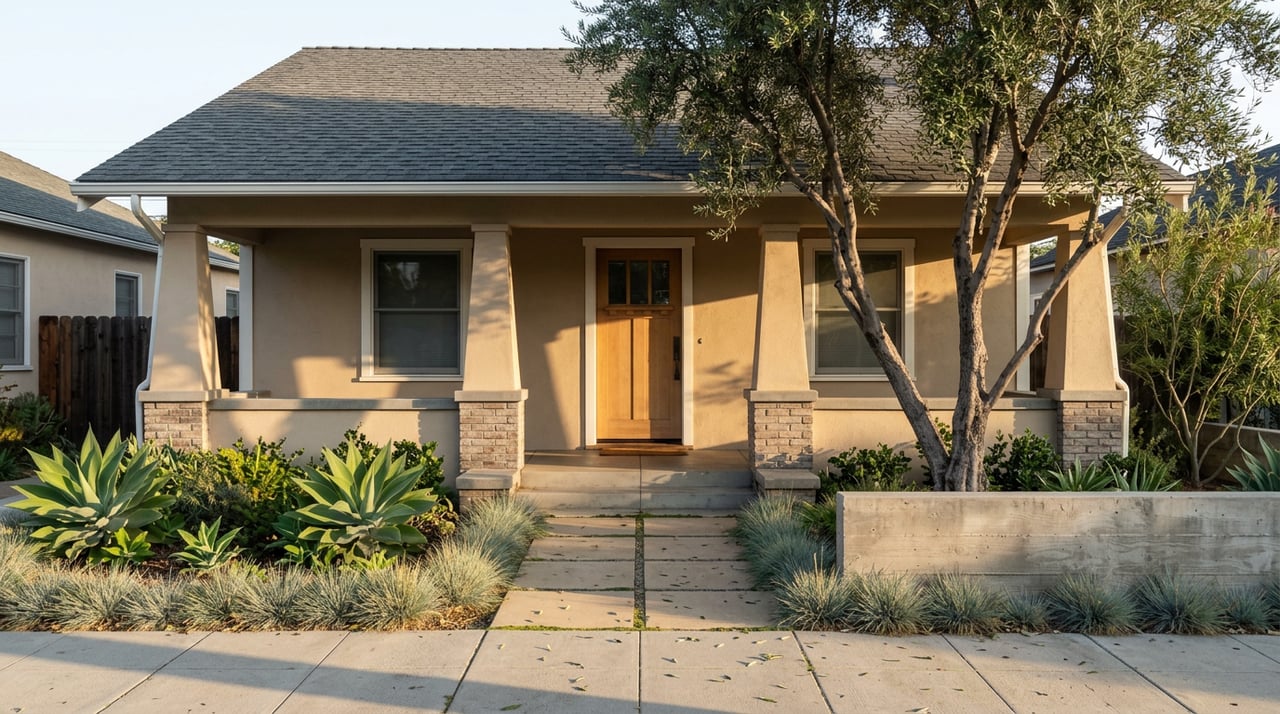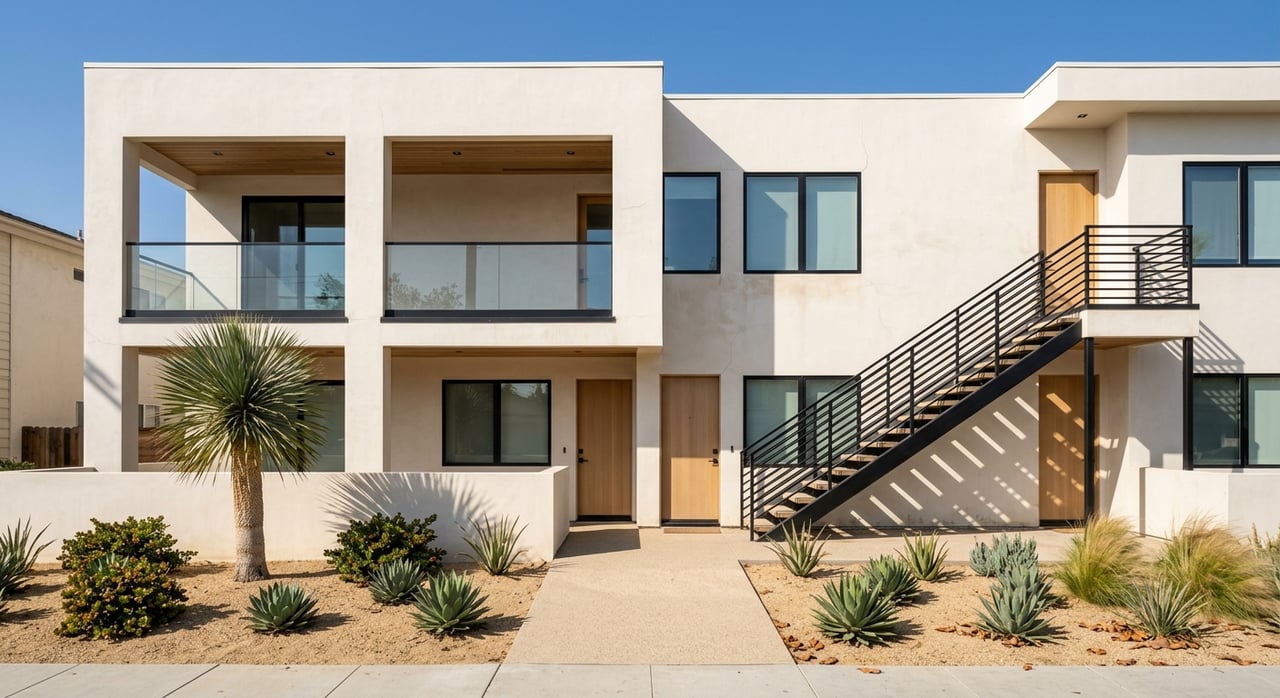
If you are looking at a 2 to 4 unit property in Mission Hills, the biggest mistake is treating it like a simple cash-flow play. In this part of San Diego, pricing, scarcity, older housing stock, and local constraints can matter just as much as the rent roll. If you want to analyze deals with more confidence, you need a framework that fits how Mission Hills actually works. Let’s dive in.
Why Mission Hills is different
Mission Hills is an older Uptown neighborhood above Old Town with a largely residential character. City planning documents describe it as predominantly single-family, with a commercial core along Washington Street and a more concentrated multifamily area north of Washington between Eagle and Ibis streets.
That matters because it helps explain why true small multi-family inventory is limited. In a market where the supply of 2 to 4 unit properties is already thin, even a decent asset can attract serious attention from buyers who value location, long-term hold potential, and exit flexibility.
Current pricing also shows how premium this submarket is. Zillow placed Mission Hills home values at $1,874,125 as of March 31, 2026, while Realtor.com reported a median listing price near $1.99 million and a median sold price of $1.402 million. Those figures are not direct apples-to-apples comparisons, but together they point to a high-priced neighborhood where scarcity is part of the value story.
Small multi-family supply is shallow
If you are shopping for a duplex, triplex, or fourplex in Mission Hills, you are not browsing a deep inventory pool. Realtor.com showed only 6 multi-family listings in the neighborhood, which is a useful reminder that this is a shallow and competitive submarket.
That limited supply can push buyers to stretch on assumptions. In practice, that means you need to be even more disciplined with rent estimates, expenses, and renovation expectations. A tight market does not protect you from overpaying for a weak deal.
Start underwriting with actual income
The first step in analyzing a Mission Hills small multi-family deal is simple: start with the real rent roll. Look at current lease terms, deposit history, unit mix, and whether the existing rents reflect the property’s actual condition and market position.
From there, check those rents against local asking-rent evidence. The research report shows a Mission Hills median rent of $3,227 per month on Realtor.com, while Apartments.com reports average rents of $1,359 for one-bedrooms and $2,706 for two-bedrooms as of May 2026.
Those numbers should be treated as directional, not as your comp set. They reflect different property types and methodologies, so the better move is to compare units with similar size, condition, parking, layout, and amenities. In Mission Hills, a renovated unit with parking can underwrite very differently from an older unit without updates.
Use neighborhood rent data carefully
In a premium neighborhood, broad rent averages can be misleading. A property with dated interiors, shared utilities, or limited outdoor space may not support the same rent assumptions as a cleaner, better-positioned asset a few blocks away.
That is why unit-level analysis matters so much here. Instead of asking, “What is the Mission Hills average rent?” ask, “What would this exact unit rent for today based on its condition, utility setup, parking, and location within the neighborhood?”
That tighter approach can help you avoid one of the most common underwriting errors: building your return projections around an optimistic market-rent story that the property cannot actually support.
Factor in California rent cap rules
For many older Mission Hills buildings, California’s Tenant Protection Act may directly affect your rent growth assumptions. According to the California Department of Justice and the California Tenants guide, covered units generally cannot have rent increased more than 10% total or 5% plus CPI, whichever is lower, within a 12-month period. The guide also notes that covered properties are limited to no more than two increases in that period.
This issue matters because much of Mission Hills consists of older housing stock. The same guidance says the law generally applies to rental units in buildings with two or more units that are at least 15 years old, though some exemptions may apply, including certain owner-occupied duplexes, some single-family homes, and properties with a certificate of occupancy from the previous 15 years.
Before you underwrite turnover upside, verify whether the property is covered or exempt. If it is covered, you should be careful about assuming quick rent resets or aggressive increases.
Rework property taxes from purchase price
One of the easiest ways to understate expenses is to plug in the seller’s current property tax bill. In California, that can produce a major underwriting miss.
San Diego County states that Proposition 13 generally limits property tax to 1% of assessed value plus voter-approved bonds, fees, and special charges. The county also notes that a change in ownership or new construction can trigger reassessment to market value, and supplemental assessments may create additional tax bills after closing.
In plain terms, you should underwrite taxes from your expected purchase price and review parcel-specific assessments. If applicable, Mello-Roos or other special taxes should be layered on top rather than ignored.
Stress-test older building expenses
Mission Hills often rewards buyers who respect the age of the housing stock. Older buildings can offer charm and strong location appeal, but they also tend to require more thoughtful capital planning.
Your underwriting should stress-test common expense lines such as:
- Repairs and maintenance
- Turnover costs
- Insurance
- Utilities
- Management
- Capital reserves
In this neighborhood, cosmetic appeal and tenant expectations can run higher than you might expect for a small building. That means deferred maintenance, dated systems, or poorly planned unit turns can eat into returns faster than a spreadsheet first suggests.
Value-add is usually operational, not dramatic
In Mission Hills, the most realistic value-add strategy is often operational and cosmetic rather than expansion-driven. The neighborhood is largely built out, and city planning documents describe steep canyons, a predominantly single-family pattern, and only limited multifamily concentration.
That usually points buyers toward practical upside, such as:
- Interior renovations
- Legal unit reconfiguration where allowed
- Laundry improvements
- Parking optimization
- Common-area refreshes
- Better expense control
This is not usually the kind of submarket where you should count on easy large-scale redevelopment or simple square-footage expansion. If your deal only works with a major physical transformation, you may be underwriting the wrong opportunity.
Check historic review issues early
Mission Hills has meaningful historic-resource considerations, and that can affect your renovation timeline and scope. The City’s Historical Resources Board reviews development projects that may affect historic resources, and the city maintains historic-preservation regulations and Mission Hills Historic District entries.
If you are considering exterior changes, additions, or redevelopment, do not treat approvals as automatic. Historic review can change what is feasible, how long a project may take, and what your final budget looks like.
For investors, the practical takeaway is simple: confirm entitlement and review risks before you assign value to a major exterior improvement plan.
Demand remains supported by location
Even with underwriting constraints, Mission Hills continues to benefit from strong location fundamentals. Apartments.com notes proximity to Old Town, Downtown, Pioneer Park, transit centers, the airport, colleges, and medical facilities, along with walkability and drivability scores of 70 and 80.
That kind of centrality can support long-term rental demand, especially for tenants who value access and neighborhood character. It does not replace disciplined underwriting, but it does help explain why many buyers are willing to accept lower going-in yield in exchange for stronger location quality and long-term desirability.
Think income plus scarcity
A helpful way to frame Mission Hills is as an income-plus-scarcity trade, not a pure yield trade. At the metro level, Kidder Mathews reported San Diego multifamily vacancy at 5.4%, average asking rents of $2,417 per unit, and average cap rates around 5.0% in the first quarter of 2026.
Mission Hills sits inside that broader market, but it does not behave like a commodity apartment submarket. Premium pricing and tight small multi-family inventory mean buyers often pay for both current income and the long-term appeal of owning a scarce asset in a central neighborhood.
That is why conservative underwriting matters so much. The deal should make sense on current cash flow, reasonable rent growth, realistic capital costs, and a measured exit assumption. Scarcity can be a tailwind, but it should not be your entire business plan.
Plan your exit before you buy
Exit matters on the way in, especially in a premium submarket. The 92103 SDAR market update for March 2026 showed detached homes in Hillcrest and Mission Hills selling in 21 days at 98.9% of original list price, while attached homes sold in 31 days at 99.4% of original list price. Realtor.com also reported about 25 median days on market in Mission Hills.
Those are not direct 2 to 4 unit comps, but they do suggest healthy absorption in the broader area. For a small multi-family owner, that supports the idea that liquidity can remain solid if the asset is well-located, properly maintained, and sensibly priced.
If your strategy includes a 1031 exchange, planning needs to start early. IRS rules for deferred exchanges require identification of replacement property within 45 days and receipt within 180 days, or by the tax return due date if earlier. In a neighborhood with limited inventory, waiting until your sale is active can leave you with fewer good options.
A practical Mission Hills deal checklist
Before you move forward on a 2 to 4 unit property in Mission Hills, review these basics:
- Confirm actual in-place rents and lease terms
- Build market-rent assumptions from unit-specific comps
- Verify whether California rent cap rules apply
- Recalculate property taxes from purchase price
- Review parcel-level special assessments
- Stress-test repairs, insurance, utilities, and reserves
- Evaluate realistic operational or cosmetic upside
- Check for historic review constraints
- Underwrite a conservative exit scenario
- If relevant, prepare your 1031 replacement strategy early
In a neighborhood like Mission Hills, strong deals are often won by buyers who stay disciplined while others get pulled into the story. The story here is attractive, but the numbers still need to work.
If you want help analyzing a Mission Hills small multi-family opportunity, planning a 1031 exchange, or building a buy-hold strategy with ongoing property oversight, Nick Emerson can help you look at the deal through both an acquisition and operations lens.
FAQs
What makes Mission Hills small multi-family deals different from other San Diego neighborhoods?
- Mission Hills has limited 2 to 4 unit inventory, premium pricing, older housing stock, and local historic considerations, so buyers often need to underwrite for both income and scarcity.
What rent should you use when underwriting a Mission Hills duplex, triplex, or fourplex?
- Start with the property’s actual rent roll, then compare it to similar local units by size, condition, parking, and amenities rather than relying on one neighborhood average.
How should property taxes be estimated for a Mission Hills investment property?
- Underwrite taxes from the expected purchase price and parcel-specific assessments because a change in ownership can trigger reassessment and supplemental tax bills.
Do California rent caps apply to Mission Hills multi-family properties?
- Often yes for older multi-unit properties, but you should verify whether the property is covered or exempt before assuming future rent increases.
What kind of value-add strategy works best for Mission Hills 2 to 4 unit properties?
- The most realistic upside is usually operational or cosmetic, such as interior updates, laundry improvements, parking optimization, common-area refreshes, and tighter expense control.
Why should Mission Hills investors check historic review issues before renovating?
- Historic-resource rules can affect whether exterior changes, additions, or redevelopment plans are feasible, which can change your timeline, costs, and expected returns.
How should a 1031 exchange investor approach Mission Hills inventory?
- Because small multi-family inventory is limited, it helps to plan your replacement-property search before listing so you are better prepared for the 45-day identification window and 180-day exchange timeline.