If you have looked at home prices in Normal Heights and wondered whether house hacking can still work, the short answer is yes, but usually not in the way social media makes it sound. In this part of San Diego, the numbers tend to work best when you buy a duplex or triplex with existing income, or when you find a single-family property with real ADU potential. If you want a clearer way to evaluate both paths before you buy, this guide will walk you through the tradeoffs. Let’s dive in.
Why house hacking looks different here
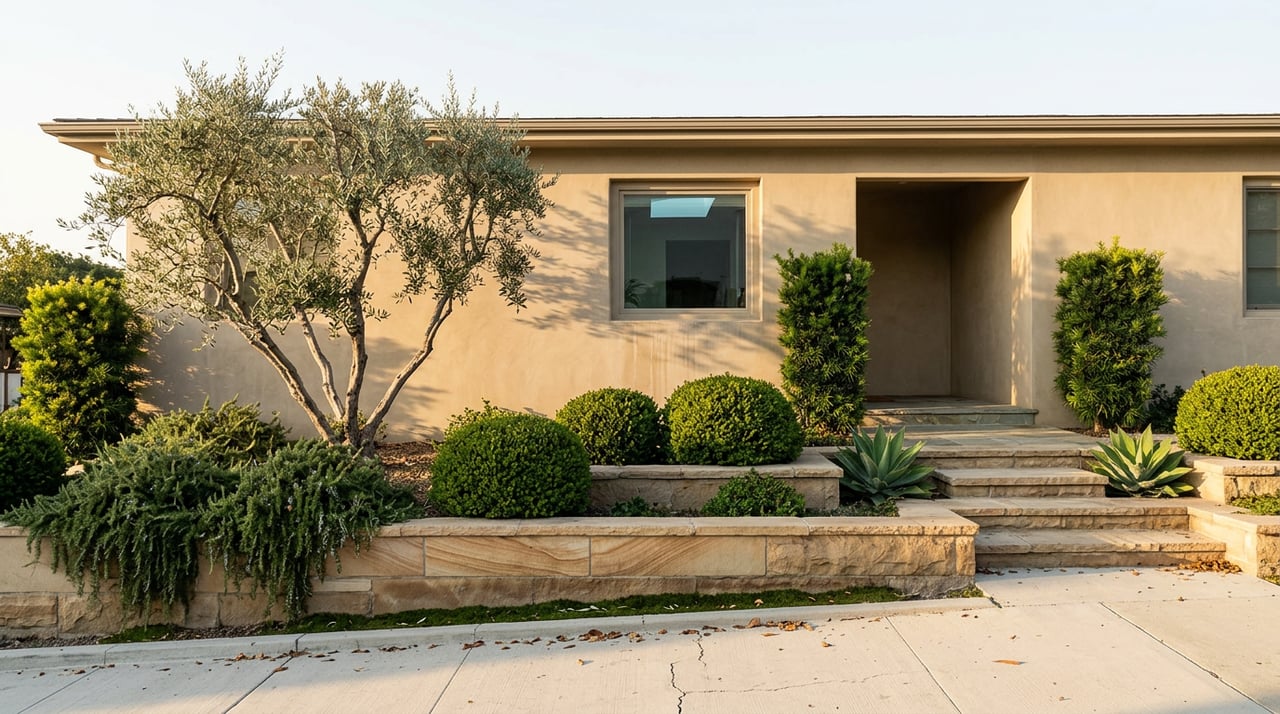
Normal Heights is a central San Diego neighborhood with a mix of housing types. The City of San Diego describes Adams North as predominantly single-family, while Adams Park and Cherokee Park include a broader mix of single-family homes, older apartment courts, and larger apartment developments.
That matters because house hacking here is not one single strategy. In practical terms, you are usually choosing between two lanes: buying an existing small multifamily property like a duplex or triplex, or buying a single-family home and adding or converting an ADU or JADU if the site and code allow it.
The price point is also important. Redfin’s March 2026 data places the Normal Heights median sale price at $1,054,900, with homes selling in about 28 days in a very competitive environment. On the multifamily side, Redfin shows 10 current listings with a median listing price of $1.35 million, which is a useful benchmark for buyers considering duplex or triplex inventory.
The duplex and triplex path
For many buyers, the most straightforward house-hacking play in Normal Heights is an existing 2 to 4 unit property. You live in one unit and rent the others, which gives you income on day one instead of waiting on plans, permits, and construction.
This path can be especially relevant in parts of the neighborhood with more mixed housing stock. Based on the city’s neighborhood description, Adams Park and Cherokee Park may offer more direct small multifamily opportunities than areas that are mostly single-family.
The tradeoff is cost. Current multifamily listings on Redfin cluster roughly from $1.195 million to $2.095 million, suggesting that income-producing inventory is often priced above the neighborhood’s all-home median. So while the rental income can help, you should expect to pay a premium for properties that already have multiple units.
Why buyers like this path
A duplex or triplex is easier to model because the income story already exists. You can review current rents, compare local comps, and estimate whether living in one unit meaningfully offsets your housing payment.
It can also reduce execution risk. You are not buying a future idea that depends on construction costs or permit timelines. You are buying an asset with an existing layout and existing rental potential.
Where caution matters
The main risk is assuming the rents solve the whole payment. In Normal Heights, house hacking is usually a partial-offset strategy, not a full replacement for your monthly ownership cost. That is especially true when prices are high relative to neighborhood rents.
Local rent comps illustrate the point. Zillow rental listings in Normal Heights show asking rents for 1-bedroom units around $1,850 to $2,395 and 2-bedroom units around $2,200 to $2,795. Those are useful inputs, but not every unit will match the top of the range, so you need to underwrite from current local comps rather than a best-case assumption.
The ADU and JADU path
If you are targeting a single-family home, the ADU route can open another version of house hacking. This can be a strong fit in parts of Normal Heights with more single-family stock, including areas like Adams North.
San Diego’s current rules give buyers more flexibility than in the past. Under the city’s 2025 ADU and JADU update, effective August 22, 2025 outside the Coastal Zone, a single-family lot may permit one JADU, one converted ADU, and one detached or attached ADU if the property meets the underlying code requirements.
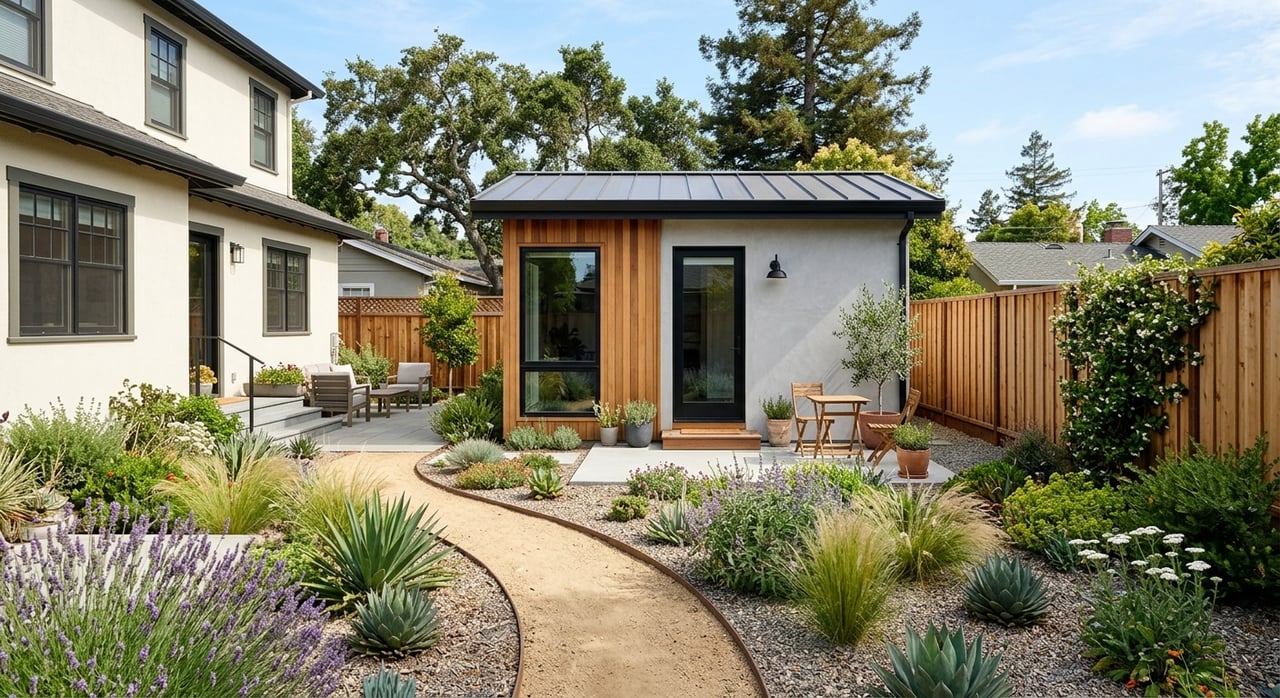
That means a buyer may be able to create income through a garage conversion, a detached backyard unit, or a junior unit within the existing home. But the key phrase is if the property meets code requirements. Not every lot will qualify, and the economics can change quickly based on site conditions.
Key ADU rules to know
San Diego’s current ADU bulletin includes several details that directly affect house hacking:
- ADUs outside the Coastal Overlay Zone do not require parking
- JADUs do not require parking
- JADUs must be rented for more than 30 days
- JADU owners must live on-site unless an exception applies
- ADUs are capped at 1,200 square feet
- JADUs are capped at 500 square feet
These rules matter because they affect both feasibility and rent potential. A well-designed ADU can create meaningful supplemental income, but size limits and layout constraints still shape what you can build and what the market may pay.
Why buyers like this path
The ADU route can let you enter the neighborhood through a single-family purchase while creating future income potential. For some buyers, that is more realistic than competing for a duplex or triplex at a higher price point.
It can also create flexibility over time. You may start by living in the main home and later use the ADU for rental income, multigenerational living, or a shift in your own housing needs.
Where caution matters
ADU feasibility is always site-specific. The city notes that parcel zoning, overlay status, setbacks, fire-safety conditions, and the practicality of converting existing space can all affect whether an ADU pencil outs.
That is why you should avoid treating ADU potential as automatic value. In Normal Heights, an ADU opportunity can be very attractive, but only when the site, design, and permitting path are all realistic.
How to underwrite a Normal Heights deal
In this neighborhood, strong house-hacking decisions usually come from disciplined underwriting, not optimism. Before you fall in love with a property, pressure-test the numbers.
A simple framework works well here:
- Compare the purchase price to current local rent comps
- Separate the duplex or triplex path from the ADU path
- Discount expected rent before using it for affordability
- Confirm owner-occupancy and permit requirements early
This approach matters because the neighborhood supports both income-property purchases and future-unit plays, but the math is different for each.
Use local rent comps first
For Normal Heights, current local rental listings are the best starting point. Based on Zillow listings, 1-bedroom asking rents are roughly $1,850 to $2,395, while 2-bedroom asking rents are roughly $2,200 to $2,795.
The Housing Authority of the County of San Diego lists FY2026 Fair Market Rents of $2,459 for a 1-bedroom and $3,001 for a 2-bedroom countywide. Those figures can provide broader context, but for an actual purchase decision, current neighborhood comps are the safer baseline.
Haircut rent before counting it
This is one of the most important steps for buyers. If you count every dollar of projected rent as available to offset your payment, you can end up overestimating affordability.
The research baseline here uses a 75% rent haircut for stress-testing. For example, a rented unit at $2,300 per month contributes about $1,725 after that haircut. Two rented units at $2,300 and $2,650 contribute about $3,712, not the full $4,950 in gross rent.
That kind of conservative modeling gives you a more realistic picture of how the property may perform.
Owner-occupancy rules matter
Because house hacking is usually an owner-occupied strategy, occupancy rules matter from the start. If you are using an owner-occupant loan structure, you need to know what your financing expects from you.
HUD’s FHA handbook says that at least one borrower must occupy the property within 60 days of signing and intend to continue occupancy for at least one year. VA guidance says the veteran borrower must occupy one unit as a residence, and for multi-unit underwriting, rental income is generally counted at 75% of the lease amount or appraised fair monthly rent, with six months of mortgage payment reserves also required.
The practical takeaway is simple: house hacking is not just about whether rent exists. It is also about whether your financing, occupancy plan, and reserves line up with the property you want.
Which path may fit you best
There is no one-size-fits-all answer in Normal Heights. The right path depends on your budget, your tolerance for execution risk, and how quickly you need rental income to start.
If you want income from day one and prefer a more straightforward analysis, an existing duplex or triplex may be the cleaner option. If you are open to a longer runway and want to buy a single-family home with upside, the ADU path may be worth exploring.
A good rule of thumb is this: buy current income when you need certainty, and buy future income only when the site and numbers are clearly supported. In a competitive neighborhood with a median sale price above $1 million, disciplined assumptions matter more than ever.
For buyers who want both neighborhood lifestyle and long-term flexibility, Normal Heights can still offer strong house-hacking opportunities. You just need to separate hype from math, and strategy from wishful thinking.
If you want help analyzing a 2 to 4 unit property or pressure-testing the income potential of an ADU setup in Normal Heights, Nick Emerson can help you evaluate the deal with a finance-first lens.
FAQs
What does house hacking in Normal Heights usually look like?
- In Normal Heights, house hacking usually means either buying a duplex or triplex and living in one unit, or buying a single-family home with realistic ADU or JADU potential.
Are duplexes and triplexes common in Normal Heights?
- Some parts of Normal Heights include mixed housing stock and older apartment properties, and current Redfin data shows active multifamily listings, but inventory is limited and often priced above the neighborhood’s overall median home price.
Can you add an ADU to any single-family lot in Normal Heights?
- No. San Diego’s ADU rules are more flexible than before, but feasibility still depends on code requirements such as zoning, overlay status, setbacks, fire-safety conditions, and the ability to convert or build efficiently.
How much rent should you assume for a Normal Heights house-hack property?
- The safest approach is to use current local rent comps. Current listings show roughly $1,850 to $2,395 for 1-bedroom units and about $2,200 to $2,795 for 2-bedroom units in Normal Heights.
Should you count all projected rent when qualifying or budgeting for a house hack?
- It is smarter to be conservative. A 75% rent haircut is a useful stress test, because it gives you a more realistic affordability picture than using gross projected rent.
Is house hacking in Normal Heights likely to cover the full mortgage payment?
- Usually not. Based on current prices and rents, house hacking in Normal Heights is more often a partial-offset strategy, with the strongest numbers coming from existing second-unit income, solid triplex performance, or credible ADU potential.