Buying a condo in Hillcrest can look simple on the surface. You find a great location, calculate the monthly payment, and picture life in one of San Diego’s most connected urban neighborhoods. But with condos, the unit is only part of the purchase, and the building, HOA, parking setup, and long-term costs matter just as much. This guide will help you know what to review before you buy, what questions to ask, and where Hillcrest’s local context can shape your decision. Let’s dive in.
Hillcrest condo buyers need a building-first mindset
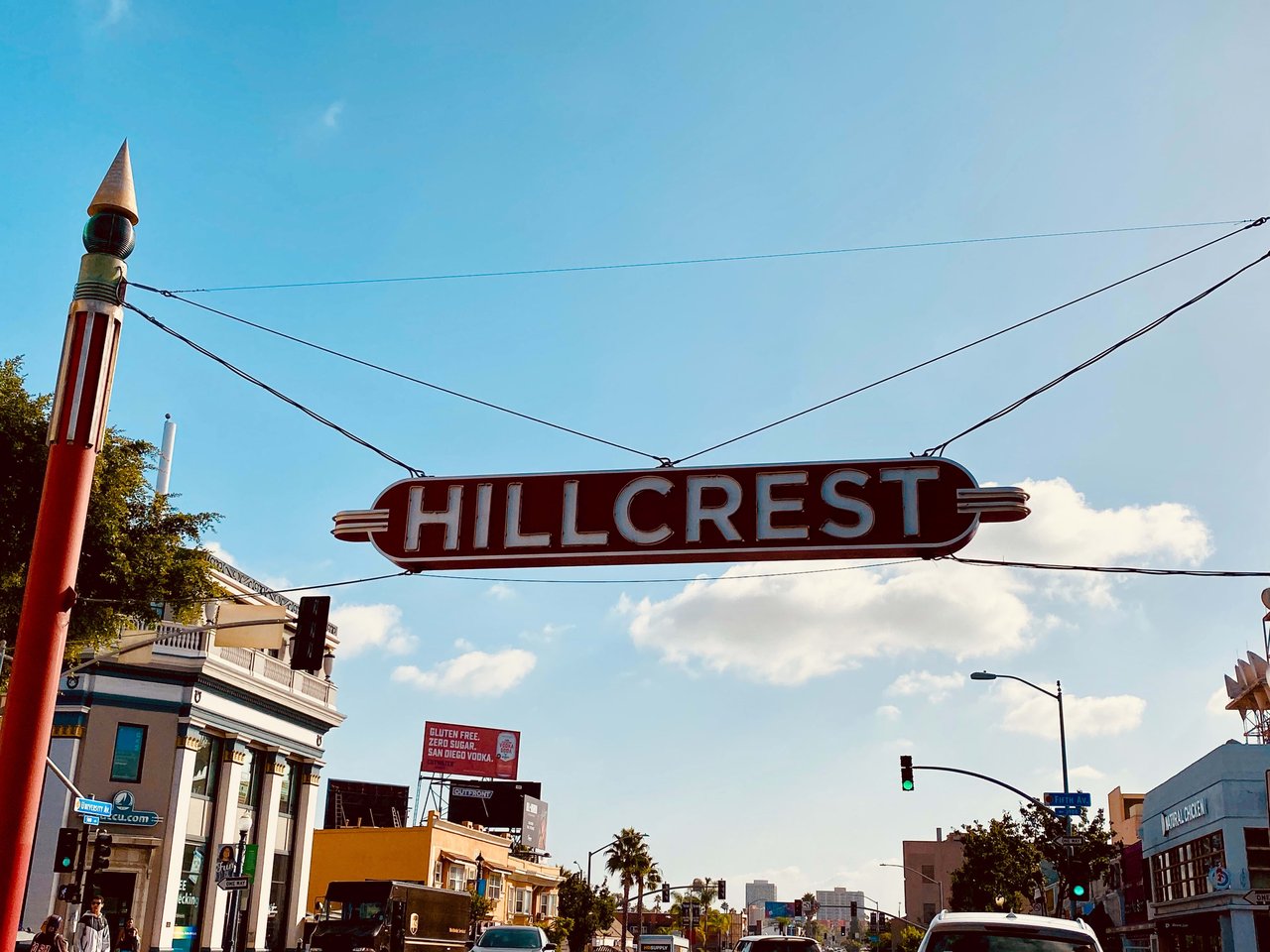
Hillcrest is one of San Diego’s older, more urban Uptown neighborhoods, with a mix of older homes, newer apartments, and condominiums, along with restaurants, medical offices, and major hospitals. The City’s planning work for the area continues to emphasize housing near transit and services, plus stronger connections to Balboa Park, Downtown, and North Park.
That setting is a big part of Hillcrest’s appeal. It also means condo buyers often face a wider range of building types, layouts, and ownership costs than they would in a more uniform neighborhood. In Hillcrest, it is smart to evaluate the building as carefully as the unit itself.
Hillcrest condo market context matters
Current condo-specific data from Redfin shows 36 condos for sale in Hillcrest at a median listing price of $625,000 and a median of 54 days on market. Realtor.com’s broader Hillcrest snapshot for all property types shows a March 2026 median listing price of $785,000 and 33 median days on market.
Those figures are not direct apples-to-apples comparisons because they cover different property scopes. Still, together they suggest an active urban market with meaningful variation by property type, condition, and building. For you as a buyer, that means a low or high asking price may reflect much more than square footage alone.
Review HOA documents before focusing on dues
A common mistake is judging a condo by the monthly HOA fee without reviewing what that fee supports. In California, sellers of resale condos must provide a substantial disclosure package under Civil Code 4525, including governing documents, annual budget materials, current regular and special assessments, unpaid charges, unresolved violation notices, approved but not yet due assessment changes, rental or leasing prohibitions, and the most recent inspection report required under Civil Code 5551.
If requested, buyers can also receive board minutes from the prior 12 months. That matters because the minutes may reveal concerns that do not stand out from a simple fee number, such as repair discussions, pending work, or budget pressure. A condo purchase is not just about your walls-in space. You are also buying into a shared financial system.
What the annual budget can tell you
California Civil Code 5300 requires the annual budget report to include:
- A pro forma operating budget
- A summary of reserves
- A reserve funding plan
- A statement about whether special assessments may be needed
- A summary of HOA insurance
- FHA and VA approval status for condominium projects
- A disclosure about document charges
This package helps you understand whether the HOA is handling everyday operations responsibly while planning for future repairs. If the association appears to be keeping dues low by underfunding reserves, that can become your problem after closing.
Why reserve strength matters
The reserve summary must be based on the most recent reserve study and show replacement cost, remaining useful life, reserve balances, and the per-unit reserve deficiency. That is critical in Hillcrest, where buyers may be comparing older buildings with more maintenance exposure against newer projects with different cost structures.
A low monthly fee is not automatically a good sign. If reserves are weak or the funding plan suggests a gap, the building may be headed toward higher dues or a special assessment later. In practical terms, the condo with the cheaper fee today may end up costing more to own.
Older Hillcrest buildings require extra scrutiny
Because Hillcrest has a mixed housing stock, many buyers will consider older condo buildings. These can offer strong locations and character, but they also deserve more detailed due diligence around maintenance and capital planning.
California Civil Code 5550 requires HOAs to identify major components with less than 30 years of useful life, estimate repair or replacement costs, and develop a funding plan. That makes reserve studies especially important in older communities. You want to know whether the association has been realistic about roofs, plumbing-related common elements, exterior surfaces, and other big-ticket components.
Ask about balconies and exterior walkways
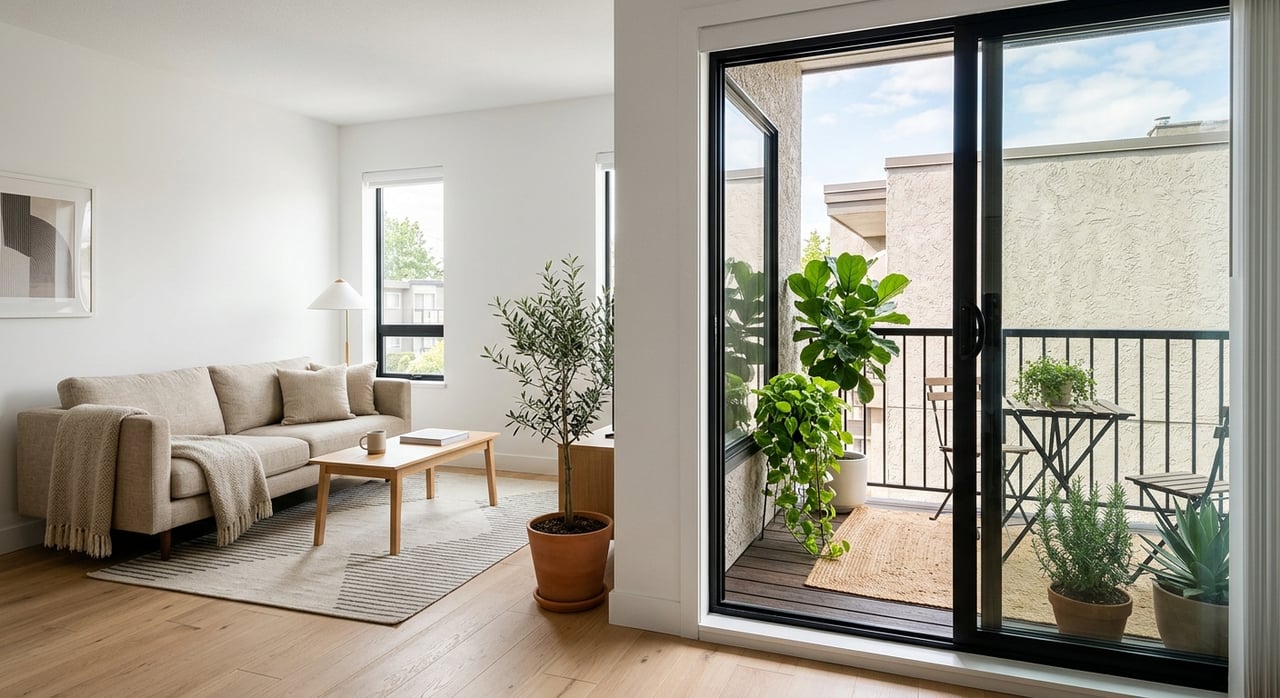
Older condo buildings with balconies, decks, or exterior walkways deserve special attention. Under Civil Code 5551, associations must complete a visual inspection of a random, statistically significant sample of exterior elevated elements at least every nine years, and the first inspection had to be completed by January 1, 2025.
The inspection report must identify any immediate safety threat and required repairs. As a buyer, you should ask whether the building has completed the inspection, whether any repairs remain open, and whether those repairs could affect dues or lead to an assessment. This is one of the most important questions you can ask in an older Hillcrest building.
Parking in Hillcrest is not a small detail
In some neighborhoods, parking is a nice bonus. In Hillcrest, it should be one of your first screening items. The neighborhood falls within Area A of San Diego’s residential permit parking program, where on-street parking is restricted Monday through Friday from 7 a.m. to 7 p.m. from November 1 to October 31, except for vehicles with valid permits or disabled placards.
The City’s permit parking system is meant to address commuter parking impacts, and Hillcrest is also managed within the Uptown Community Parking District. That local setup makes building parking far more than an amenity line on a listing. It affects your day-to-day convenience, guest access, and overall usability of the condo.
What to verify about parking
Before you buy, ask whether parking is:
- Deeded to the unit
- Assigned by the HOA
- Leased separately
- Tandem or single-space
- Suitable for your vehicle size
- Paired with any storage
- Supported by guest parking options
The permit program allows up to four permits per qualifying address, and temporary permits are available. That can help with overflow or visitors, but it should not be treated as a substitute for adequate building parking if your household depends on multiple cars.
Walkability changes the equation, but not for everyone
Redfin reports a Walk Score of 87 for Hillcrest, which helps explain why some buyers are willing to accept less parking in exchange for location. If you work nearby or prefer a more walkable lifestyle, one assigned space may feel perfectly workable.
But if you commute regularly or have a two-car household, parking constraints can become a long-term pain point. The right answer depends on how you actually live, not just how the listing presents the building.
New construction has its own due diligence
If you are considering a newer condo project in Hillcrest, the disclosure process looks different. The California Department of Real Estate says the public report is a critical disclosure document that should be read and understood by any buyer considering a home in a new subdivision, and the subdivider must provide it before the buyer becomes obligated to purchase.
For you, this report is one of the key tools for understanding project disclosures, costs, and common-area obligations. Newer construction may reduce some immediate maintenance concerns, but it still requires careful review of the project documents and ownership structure.
Investor buyers should read rental rules closely
Hillcrest’s rental market provides useful context, but it should not replace building-level review. Realtor.com shows a March 2026 median rent of $3,077 per month and 114 rental properties in Hillcrest.
If you are buying as an investor, planning a future conversion to a rental, or simply wanting flexibility later, the HOA’s governing documents matter a lot. Civil Code 4525 specifically requires disclosure of rental or lease prohibitions. That means you should review whether the building has leasing restrictions, rental caps, or other occupancy rules before you move forward.
Questions investors should ask
If the condo may become part of your portfolio, ask:
- Are there rental caps in the building?
- Are there lease prohibitions or waiting periods?
- Are there occupancy rules that could affect future leasing?
- Do the dues and reserve position support predictable ownership costs?
- Does the parking setup make the unit easier or harder to rent later?
For investor-minded buyers, the unit’s purchase price is only one part of the analysis. The HOA structure can shape future income stability, tenant appeal, and long-term exit options.
Compare monthly cost, not just purchase price
When buyers compare Hillcrest condos, it is easy to focus on list price and overlook ownership structure. A smaller or older building may offer a lower purchase price, while a newer or larger project may offer different amenities, parking arrangements, storage, or floor-plan efficiency.
That is why your real comparison should include total monthly ownership cost and likely future building expenses. In many cases, the smarter buy is not the cheapest unit on day one. It is the condo where the building’s finances, repair outlook, and daily usability line up with your goals.
A practical Hillcrest condo checklist
Before writing an offer, try to get clear answers to these questions:
- How strong are the HOA reserves?
- Does the reserve study suggest a likely special assessment?
- Are there current or approved assessment increases?
- Has the building completed its latest exterior elevated element inspection?
- Are any balcony, deck, or walkway repairs still pending?
- What exactly do the monthly dues cover?
- Are there rental caps, leasing restrictions, or investor limitations?
- Is parking deeded, assigned, or leased?
- How practical is the parking setup for your actual household needs?
- If it is new construction, have you reviewed the DRE public report?
In Hillcrest, those answers can tell you as much about value as the unit itself. They can also help you avoid buying into preventable surprises.
If you are weighing a Hillcrest condo, it helps to look past the finishes and into the numbers, disclosures, and day-to-day function of the building. That is where smart condo decisions are usually made. If you want help analyzing a Hillcrest purchase through both a neighborhood and investment lens, schedule a consultation with Nick Emerson.
FAQs
What HOA documents should you review before buying a Hillcrest condo?
- You should review the governing documents, annual budget materials, reserve information, current and special assessments, unresolved violation notices, rental or leasing restrictions, and the most recent Civil Code 5551 inspection report required for resale condo disclosures in California.
What should you know about HOA reserves in a Hillcrest condo building?
- You should look for the reserve summary, funding plan, remaining useful life of major components, reserve balances, and any sign that special assessments may be needed, because a low HOA fee can hide future costs.
How does parking work when buying a condo in Hillcrest?
- You should verify whether parking is deeded, assigned, or leased, and understand that Hillcrest is in San Diego’s Area A residential permit parking district, where on-street parking restrictions can make off-street parking much more important.
Why do balcony inspections matter in older Hillcrest condo buildings?
- Older buildings with balconies, decks, or exterior walkways may have repair obligations tied to California’s exterior elevated element inspection rules, and unresolved issues could affect safety, dues, or future assessments.
What should investors check before buying a Hillcrest condo?
- Investors should review rental caps, lease prohibitions, occupancy rules, HOA finances, dues, and parking practicality, because building rules and monthly costs can directly affect future rental performance.
What should you review in a new Hillcrest condo project?
- You should read the California Department of Real Estate public report before becoming obligated to purchase, since it is a key disclosure document for understanding project costs, obligations, and common-area details.