If you fly often or want quick access to downtown San Diego, where you live can shape your whole routine. A long airport drive, limited transit, or a disconnected neighborhood can add friction to every workday and every trip. Middletown stands out because it offers a central location, trolley access, and practical airport connections in a setting that feels distinctly urban. If you are weighing convenience against the tradeoffs of city living, this guide will help you see why Middletown deserves a closer look. Let’s dive in.
Middletown offers true centrality
Middletown is not a far-out neighborhood trying to imitate urban convenience. According to the City of San Diego’s community profile, it sits between Old Town and Centre City and is part of the broader Uptown planning area just north of downtown.
That location matters if your schedule revolves around meetings, events, travel, or flexible work. You are close to core job centers, downtown destinations, and major transit routes without needing a suburban-style commute. For many buyers, that makes Middletown feel more like a connected home base than a compromise.
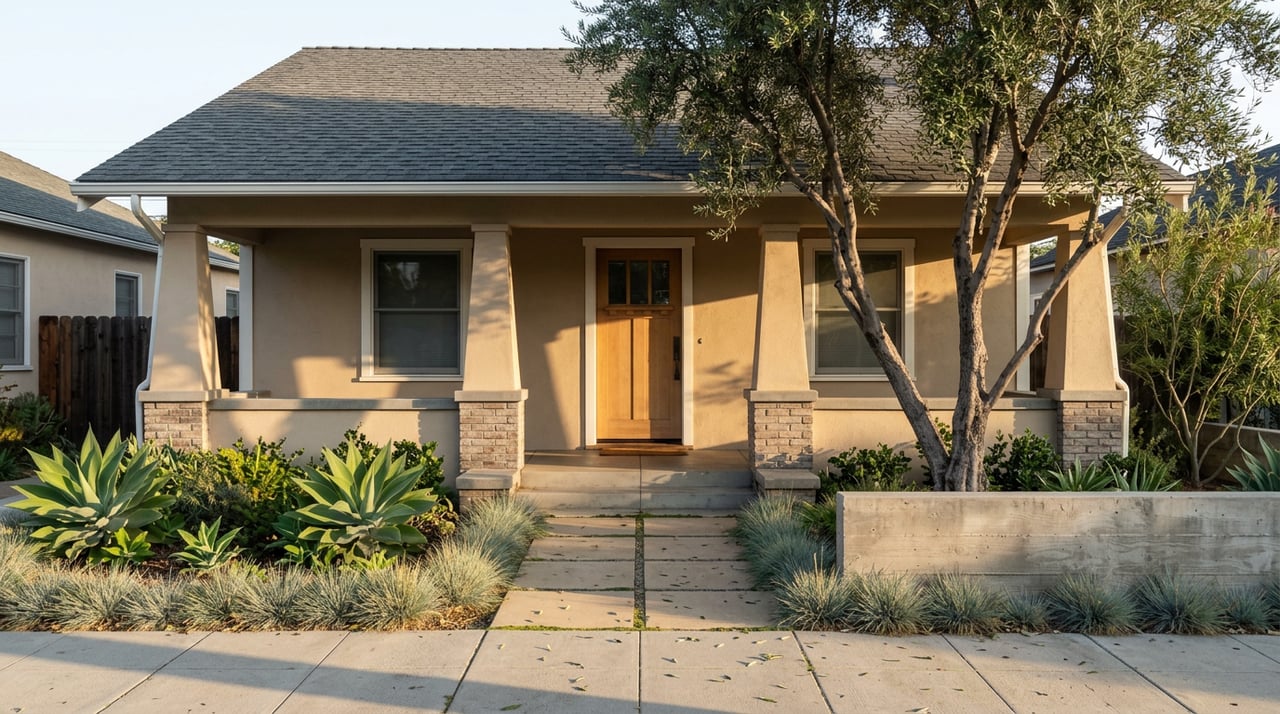
The city also describes Middletown as a historic neighborhood with harbor views and a mix of single-family and multifamily development. That combination gives the area a character that feels both established and practical for modern city life.
Why frequent flyers notice Middletown
For people who travel often, airport access is more than a perk. It can affect how early you leave, how much stress you carry on departure day, and whether a trip feels manageable or exhausting.
Middletown has an unusually practical position near San Diego International Airport. While there is not a direct one-seat train ride to the terminals, MTS explains that riders can use the Blue or Green Line to Middletown Station, walk toward Pacific Highway, and take the Rental Car Center shuttle to Terminal 1 or Terminal 2.
That kind of connection gives you options. You can drive, use transit, or combine both depending on the day, your luggage, and your timing. For frequent flyers, flexibility like that can be just as valuable as raw distance.
It also helps that San Diego International Airport operates with a nighttime departure curfew from 11:30 p.m. to 6:30 a.m. Arrivals are still permitted 24 hours a day, so noise remains an important factor, but the curfew does shape part of the daily sound pattern near the airport.
Trolley access supports a car-light routine
One of Middletown’s biggest advantages is transit. The Middletown Trolley Station at 1396 Palm Street sits on both the Blue and Green lines, giving residents direct connections to downtown San Diego, Old Town, Little Italy, South Bay, and the U.S.-Mexico border.
MTS reports that service generally runs every 15 minutes from early morning until around midnight or later, depending on the line. That kind of frequency makes a real difference if you want to reduce daily driving for work, dining, events, or airport-adjacent trips.
For urban professionals, this can support a low-car or car-light lifestyle by San Diego standards. You may still want a car for some routines, but you are not locked into using one for every errand or downtown outing.
Daily life feels urban, not suburban
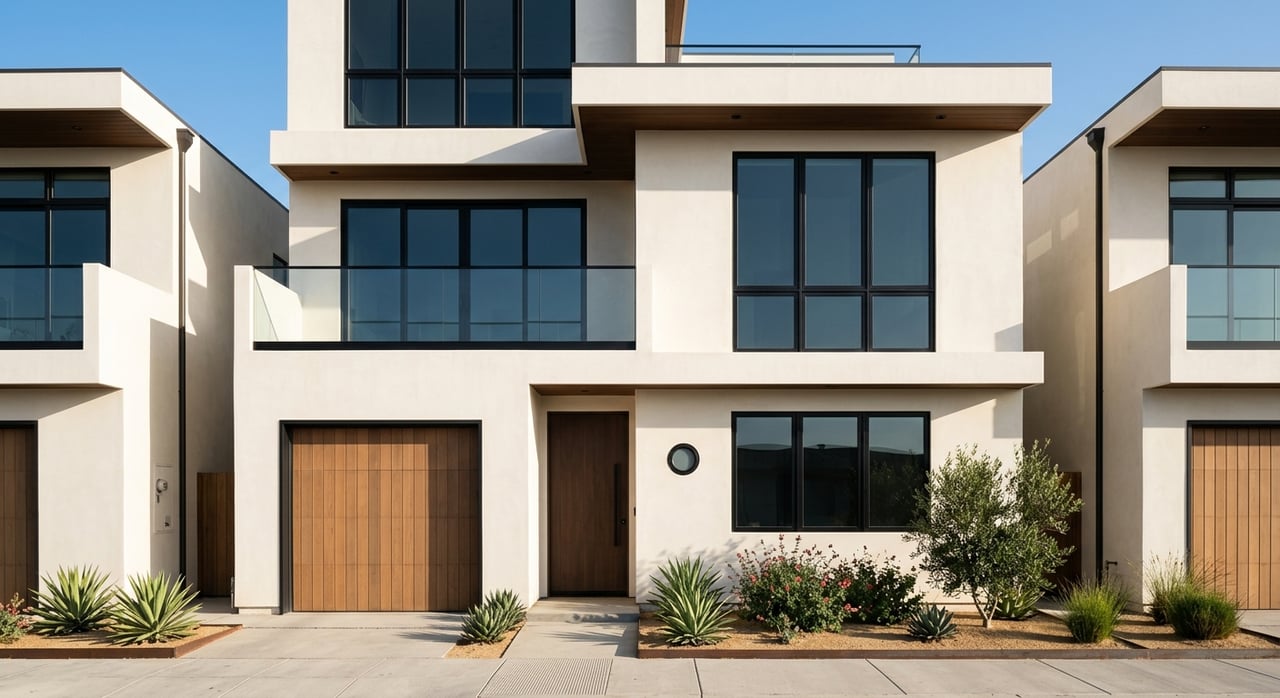
Middletown’s layout and land use help explain why it appeals to people who value convenience over square footage. The city profile notes a mix of single-family homes, multifamily housing, and commercial uses, rather than a one-note housing pattern.
That mix can be a benefit if you want more choices in how you live. Buyers may find historic homes, smaller residences, or multifamily properties that fit different budgets, goals, and ownership strategies. From an investor lens, mixed housing stock can also create a wider range of use cases than you might see in a purely single-family area.
The neighborhood also developed on a west-facing hillside with a sloping street grid. That topography, along with older homes on ridges overlooking the bay, helps give Middletown a layered feel that is both historic and city-oriented.
At the Washington Street and India Street area, the city notes a compact, pedestrian-oriented setting with theaters and restaurants. If you value walkable pockets and quick access to everyday activity, that is a meaningful part of the neighborhood’s appeal.
Bay access adds another lifestyle layer
Middletown is not a beach-town neighborhood, and it is important to be clear about that. Its coastal appeal is tied more to bayfront access, harbor views, and proximity to the downtown waterfront.
The City of San Diego highlights harbor views in Middletown, and the Port of San Diego describes the Embarcadero as a two-mile downtown waterfront with dining, shopping, lodging, museums, and attractions. Nearby Bayfront Park also offers walking paths and wide waterfront views.
For a resident with a busy schedule, that means your version of outdoor downtime can be simple. You can work downtown, catch a trolley, and still be near the bay for a walk, dinner, or a change of pace without planning a full coastal outing.
The tradeoffs are real
No central neighborhood is perfect for everyone, and Middletown comes with tradeoffs that should be part of any honest decision. The biggest one is aircraft noise.
Because of its proximity to the airport, overflight activity is a real part of the experience here. San Diego International Airport notes that eligible homes in and around Middletown and Bankers Hill may qualify for the Quieter Home Program if they fall within the FAA’s 65 dB community noise contour and meet interior noise thresholds for mitigation.
That does not mean every property will feel the same. In practice, noise can vary by block, elevation, building condition, and how a home is positioned. If you are considering a purchase here, this is one of those neighborhoods where property-level due diligence matters.
Parking and street conditions are also part of the equation. The city profile specifically notes on-street parking along India Street, overflow parking pressure on nearby residences, and an objective to reduce auto and pedestrian conflicts.
In plain terms, Middletown’s convenience comes with normal central-city realities. You may need to think more carefully about parking, access, traffic interaction, and street noise than you would in a less urban location.
Who Middletown may fit best
Middletown can make sense for several types of buyers and owners, especially if convenience is one of your top priorities.
You may want to look closer if you are:
- A frequent flyer who wants easier access to the airport corridor
- A downtown professional who values trolley connectivity
- A buyer who prefers an urban neighborhood over a suburban commute
- An owner or investor interested in central San Diego housing near transit
- Someone who likes historic character mixed with practical city access
It may be a less natural fit if your top priorities are quiet streets, abundant parking, or a more insulated residential feel. That does not make Middletown better or worse. It simply means the neighborhood works best when your lifestyle aligns with what it actually offers.
Why planning trends matter here
Middletown’s appeal is not only about today’s commute. It also fits into the city’s broader planning direction.
San Diego’s Complete Communities framework emphasizes housing near transit, jobs, parks, schools, stores, and mobility options. That helps explain why central, transit-adjacent neighborhoods continue to matter in the city’s long-term growth strategy.
For buyers and investors, this reinforces a bigger point. Neighborhoods with existing access to transit and urban infrastructure often stay relevant because they match how the city is planning for growth. In Middletown, that opportunity sits alongside airport compatibility, noise, and design constraints that should always be evaluated carefully.
What to evaluate before you buy
If Middletown sounds like your kind of neighborhood, it helps to assess each property through both a lifestyle and investment lens.
Focus on questions like these:
- How close is the home to the trolley station and your likely daily routes?
- What does aircraft noise feel like at different times of day?
- How does parking work on the block and at the property itself?
- Is the home’s condition, layout, and orientation a good match for urban living?
- If you are buying as an investment, how does the location support long-term rental demand and day-to-day management?
Near-airport neighborhoods can be highly practical, but they benefit from a sharper review process. Looking at street access, sound, mobility, and building characteristics together will usually tell you more than price alone.
If you are considering Middletown as a home base or investment in central San Diego, working with an advisor who understands both neighborhood livability and long-term asset performance can make the process much clearer. If you want help evaluating the tradeoffs, transit access, and portfolio potential, connect with Nick Emerson.
FAQs
Is Middletown in San Diego good for frequent flyers?
- Yes. Middletown offers practical access to San Diego International Airport, and MTS outlines a transit-plus-shuttle option from Middletown Station to the airport terminals.
Can you live in Middletown San Diego without driving everywhere?
- Often, yes. The neighborhood has a trolley station on both the Blue and Green lines, which supports downtown trips and other central San Diego travel without relying on a car for every outing.
What types of homes are common in Middletown San Diego?
- The neighborhood includes a mix of single-family homes, multifamily housing, and commercial uses, which creates a more varied housing stock than many uniform residential areas.
Is aircraft noise a concern in Middletown San Diego?
- Yes. Because Middletown is close to the airport, aircraft noise is a real consideration. San Diego International Airport also provides information on its curfew and Quieter Home Program for eligible homes.
Does Middletown San Diego feel coastal?
- Not in a beach-town sense. Its appeal is more about harbor views and quick access to the downtown waterfront, including the nearby Embarcadero and bayfront amenities.
Why does Middletown matter for central San Diego buyers and investors?
- Its central location, transit access, and alignment with San Diego’s Complete Communities planning approach make it relevant for buyers and investors who value connected, infill neighborhoods.