If you want a San Diego neighborhood where you can pick up groceries, grab coffee, get to appointments, and enjoy a night out without defaulting to your car, Hillcrest deserves a close look. For many buyers and renters, convenience is not just a lifestyle perk. It shapes your daily budget, your schedule, and how connected you feel to where you live. In this guide, you’ll see why Hillcrest stands out for walkable living, what kinds of errands are easiest to do on foot or by transit, and what that means if you are thinking about a move. Let’s dive in.
Why Hillcrest Works for Walkable Living
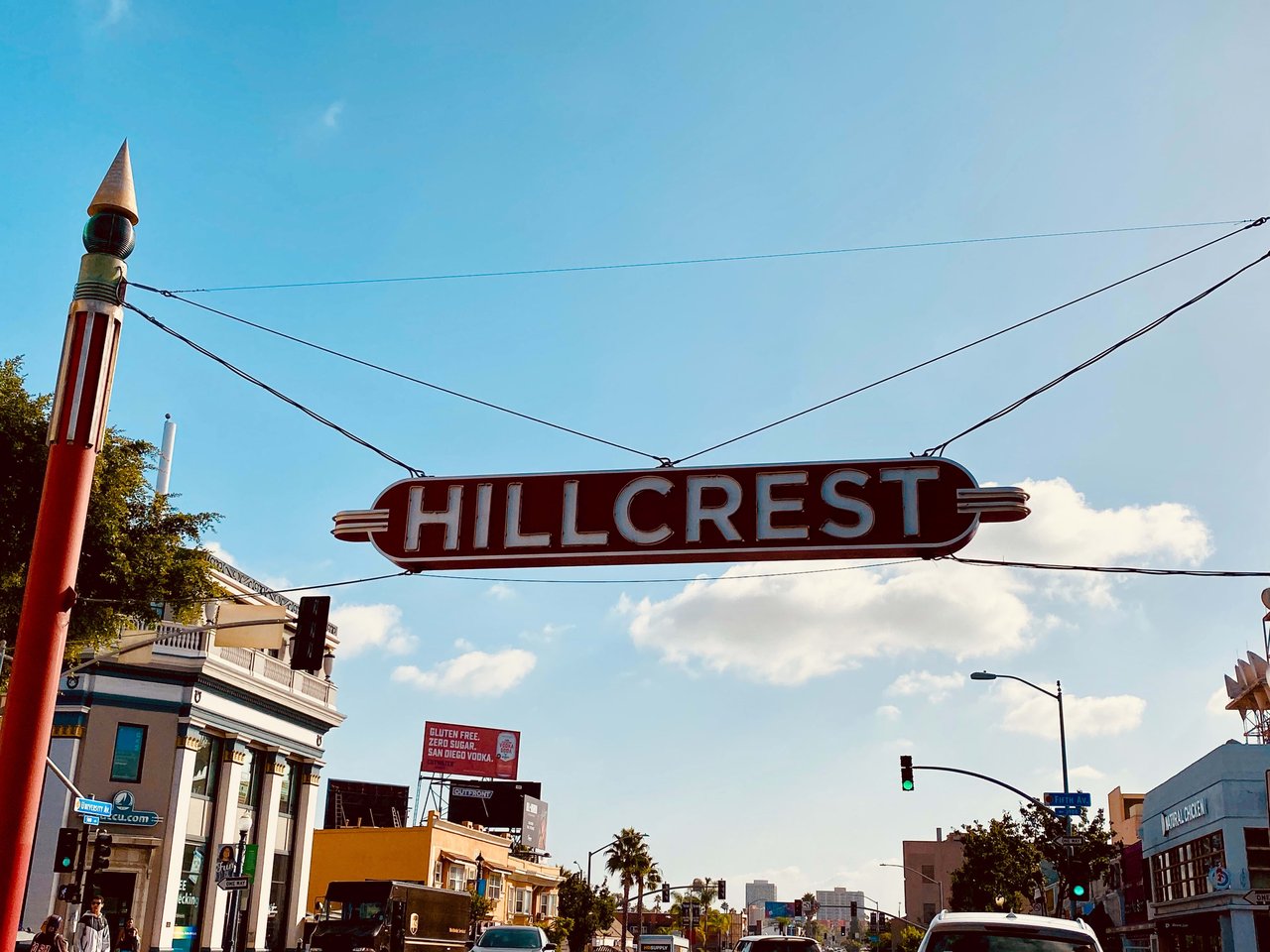
Hillcrest sits in San Diego’s Uptown area, just north of downtown and next to Balboa Park. According to the City of San Diego’s Uptown planning overview, the area is generally a level mesa, and the Hillcrest Corridor stretches along the west side of Balboa Park toward a major medical center. That layout helps explain why the neighborhood functions well for everyday trips.
The data supports that impression. Walk Score rates Hillcrest at 87 out of 100, which means most errands can be accomplished on foot. The same source also reports a Transit Score of 53, a Bike Score of 60, and about 159 restaurants, bars, and coffee shops in the neighborhood.
For you, that often translates into a simpler routine. Instead of planning every errand around parking and traffic, you may be able to stack daily stops into one walk through the neighborhood core.
Everyday Errands You Can Do on Foot
One of Hillcrest’s biggest strengths is how many basics are clustered near University Avenue. Grocery stores, pharmacies, restaurants, and service businesses sit close enough together that short trips can feel practical instead of time-consuming.
The neighborhood has several established grocery options. Whole Foods Market is at 711 University Ave, Ralphs is at 1020 University Ave, and Trader Joe’s has a Hillcrest store at 1090 University Avenue. Ralphs offers a pharmacy and pickup service, while Whole Foods also includes delivery, pickup, and prepared-food counters such as pizza, sandwiches, coffee, and juice.
That matters because true walkability is about more than entertainment. It is about whether you can handle real-life needs like groceries, household items, or a quick dinner option without making a dedicated car trip.
Grocery Options Near the Core
If you live close to the commercial heart of Hillcrest, your weekly grocery routine can be unusually flexible. You may choose one larger shopping trip, then fill in smaller needs with quick walks during the week.
That setup can be especially useful if you value convenience over a long suburban-style drive for every errand. It also supports a more car-light routine for people who work from home, commute by transit, or simply prefer to keep short trips simple.
Dining and Coffee Within Reach
Hillcrest is also known for its food and retail mix. The City of San Diego’s Hillcrest community page describes the neighborhood as known for award-winning restaurants and trendy stores, which adds to the appeal for residents who want daily convenience close to home.
In practical terms, this means breakfast, coffee, lunch, or dinner may be available within a short walk depending on where you live. Combined with prepared-food options at Whole Foods, that gives you multiple ways to keep daily routines local.
The Farmers Market Adds Weekly Convenience
For many residents, walkability is not just about stores. It is also about having neighborhood habits that make the area feel easy and livable. Hillcrest’s farmers market is a strong example.
The official Hillcrest Farmers Market runs every Sunday from 9 a.m. to 2 p.m. year-round on University Ave between Herbert St. and Park Blvd. The market says it features more than 175 vendors, and it lists bus routes 1, 7, 10, 11, and 215 as direct transit options.
That gives you another reliable source for produce, prepared foods, and local shopping without leaving the neighborhood. If you are comparing Hillcrest with more car-dependent areas, this kind of weekly convenience can make a real difference in how you experience daily life.
Transit Makes a Car-Light Routine Easier
Even in a walkable neighborhood, most people still need a backup plan for longer trips. Hillcrest’s transit access helps fill that gap.
According to the MTS Uptown Transit guide, Route 10 runs every 15 minutes most weekdays and every 20 to 30 minutes on weekends. Route 11 runs seven days a week every 20 to 30 minutes, and Rapid 215 connects Hillcrest with North Park, City Heights, and SDSU from 4:30 a.m. to 1:30 a.m. MTS also notes a $2.50 adult fare with two-hour transfers.
That kind of service matters if you want to reduce how often you drive. It gives you another option for downtown trips, casual outings, and day-to-day errands when walking is possible but not ideal.
Access to Medical and Downtown Destinations
Transit is especially helpful in a neighborhood with major healthcare anchors. MTS Route 3 information shows a connection between UC San Diego Medical Center in Hillcrest, downtown trolley stations, and Euclid Avenue Transit Center. UC San Diego Health also says Routes 3 and 10 serve the Hillcrest Medical Campus.
If you work nearby, visit the medical campus regularly, or want a simpler way to reach downtown, that access adds real value. It can reduce the number of trips where owning or using a car feels necessary.
Healthcare Is a Major Local Advantage
Hillcrest offers something many walkable neighborhoods cannot match as easily: strong healthcare access close to home. The City of San Diego says the neighborhood includes medical offices and two major hospitals.
Scripps Mercy Hospital Hillcrest is located at 4077 Fifth Avenue and notes that its campus is within walking distance of clinics, restaurants, and shops, with a 24/7 emergency room. UC San Diego Health also opened the McGrath Outpatient Pavilion on the Hillcrest Medical Campus in July 2025, expanding outpatient care capacity in the area.
For residents, this means more than convenience. Nearby healthcare can become a meaningful quality-of-life factor, especially if appointments, outpatient services, or hospital access are part of your regular routine.
Balboa Park Expands Your Living Space
Walkability is not only about errands. It is also about whether you can easily reach places that support exercise, downtime, and daily enjoyment.
Hillcrest benefits from its location next to Balboa Park. According to Balboa Park, the park spans more than 1,000 acres with paths, gardens, museums, and recreation space.
That gives you a built-in option for walking, jogging, outdoor breaks, and weekend time without needing to drive to a trail or fitness destination. For many buyers, that kind of nearby recreation makes urban living feel more balanced.
Biking Is Becoming More Practical
If you like mixing walking with short bike trips, Hillcrest has room to improve and momentum in the right direction. Walk Score currently gives the neighborhood a Bike Score of 60, which points to biking as a realistic supplemental mode for some trips.
The city is also investing in better bike infrastructure. According to the City of San Diego’s Pride Promenade announcement, the Eastern Hillcrest Bikeway and Pride Promenade project will add 1.1 miles of separated bikeways and buffered bike lanes on University Avenue, Normal Street, and nearby streets, with completion expected in late 2026.
For you, that could mean more options for short errands and local trips over time. It also reinforces the broader idea that Hillcrest supports transportation choices beyond driving alone.
What Homes Best Fit a Car-Light Lifestyle
Not every home in Hillcrest offers the same level of convenience. If your goal is to live with fewer car trips, location within the neighborhood matters.
The City of San Diego describes Hillcrest as a mix of older homes, newer apartments, and condominiums. The city’s 2024 Hillcrest Focused Plan Amendment also emphasizes areas near transit and services while increasing housing options.
In general, the homes best suited to a car-light routine are the apartments, condos, and mixed-use residences near University Avenue and the commercial core. That is where grocery stores, dining, transit, and healthcare amenities are most concentrated.
What to Consider When You Tour
If walkability is high on your list, it helps to evaluate more than square footage or finishes. You want to understand how the location supports your real daily patterns.
As you compare properties, consider:
- How close the home is to grocery options
- Whether transit stops are easy to reach on foot
- How often you would realistically walk to dining or coffee
- Access to healthcare, especially if that matters to your household
- Whether Balboa Park or other outdoor space is part of your routine
A home that saves you time every week can create long-term value that goes beyond the unit itself.
Is Hillcrest Right for You?
If you want a central San Diego neighborhood where many daily needs can be handled on foot, Hillcrest makes a strong case. The neighborhood combines a high walkability score with grocery access, weekly market shopping, established transit routes, major healthcare centers, and close proximity to Balboa Park.
It may be especially appealing if you prefer a more connected, errand-friendly lifestyle and want flexibility around how often you drive. And if you are evaluating homes through both a lifestyle and value lens, that mix of location efficiency and daily convenience is worth serious attention.
If you are exploring Hillcrest or comparing central San Diego neighborhoods, Nick Emerson can help you think through the location, property fit, and long-term upside with a clear, practical lens.
FAQs
How walkable is Hillcrest in San Diego?
- Walk Score rates Hillcrest 87 out of 100, which means most errands can be accomplished on foot.
What grocery stores are available in Hillcrest?
- Hillcrest includes Whole Foods Market at 711 University Ave, Ralphs at 1020 University Ave, and Trader Joe’s at 1090 University Avenue.
Does Hillcrest have public transit for daily errands?
- Yes. The MTS Uptown Transit guide lists Route 10, Route 11, and Rapid 215 as useful options for groceries, brunch, and downtown trips.
Is Hillcrest a good neighborhood for living without a car?
- Hillcrest supports a car-light lifestyle with walkable errands, transit access, nearby healthcare, and close access to Balboa Park, based on the sources cited above.
What types of homes in Hillcrest best support walkable living?
- Homes near University Avenue and the neighborhood core, especially apartments, condos, and mixed-use residences, tend to offer the best access to groceries, transit, dining, and services.