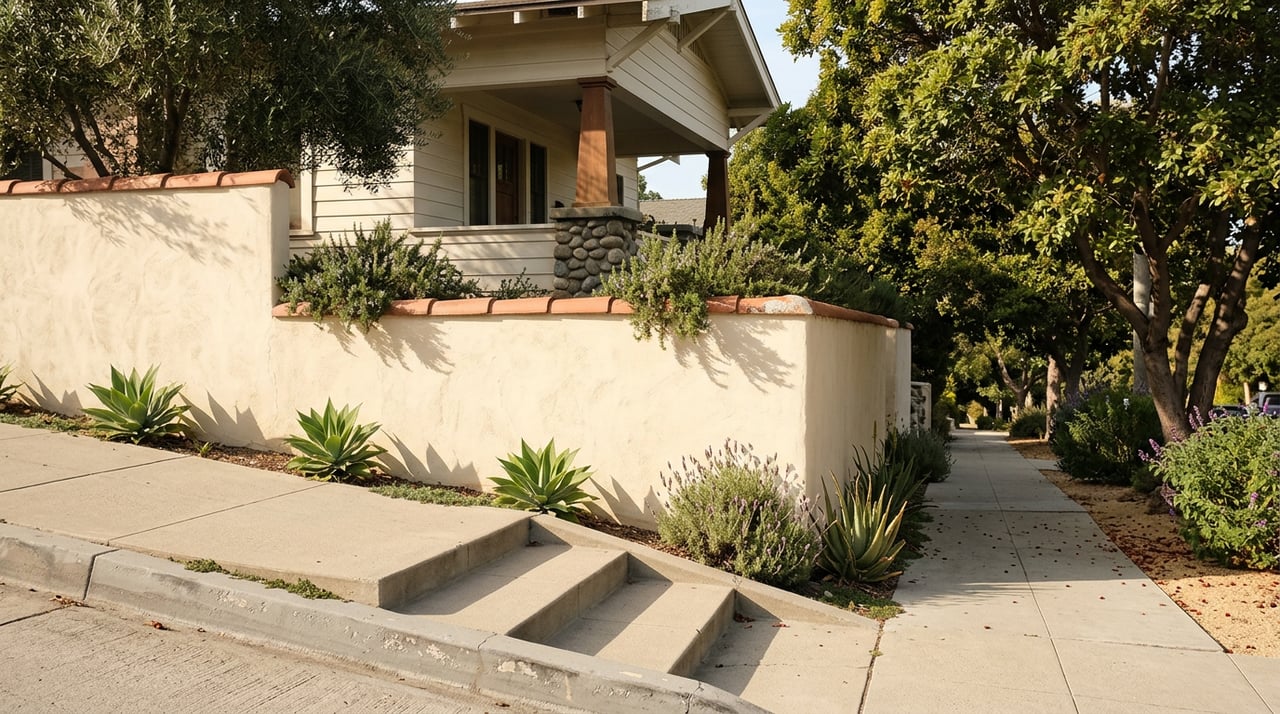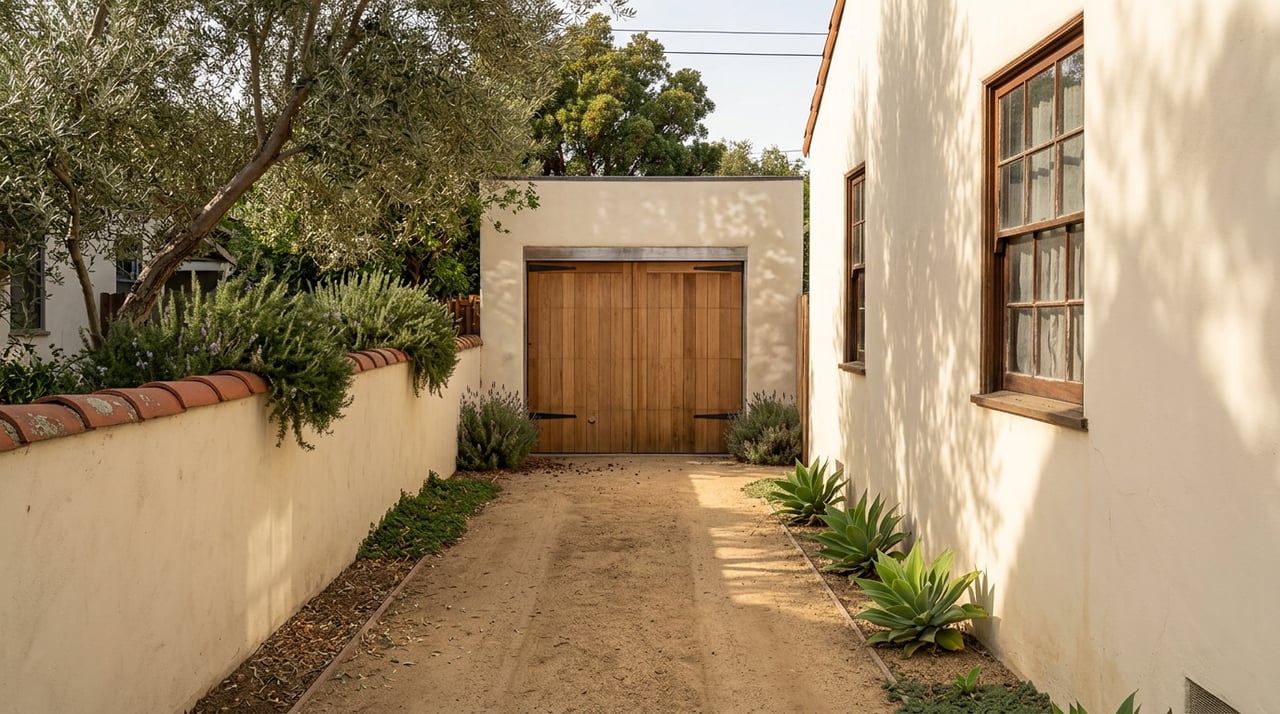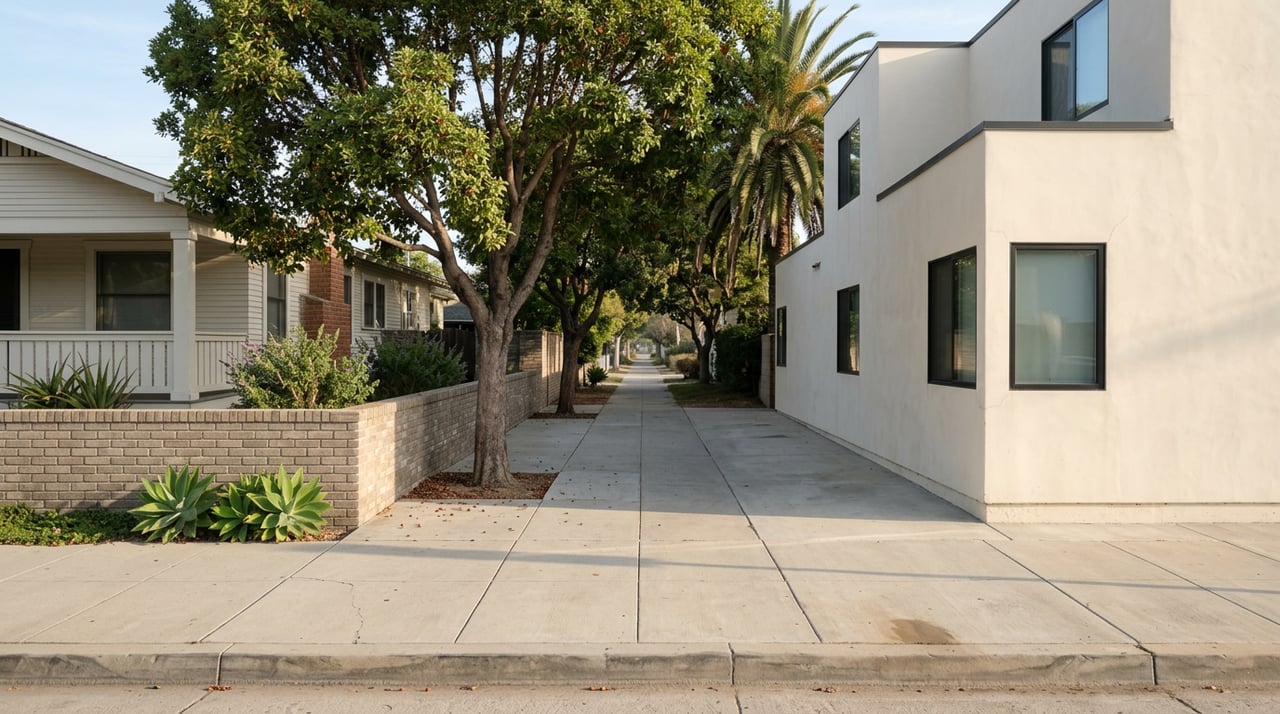
Thinking about selling your Normal Heights Craftsman and wondering what today’s buyers expect? You are not alone. Character homes can command a premium when you balance original charm with modern reliability. In this guide, you will learn how to price, prep, inspect, and market your bungalow so you move through escrow with fewer surprises and stronger offers. Let’s dive in.
Why Normal Heights Craftsman homes sell
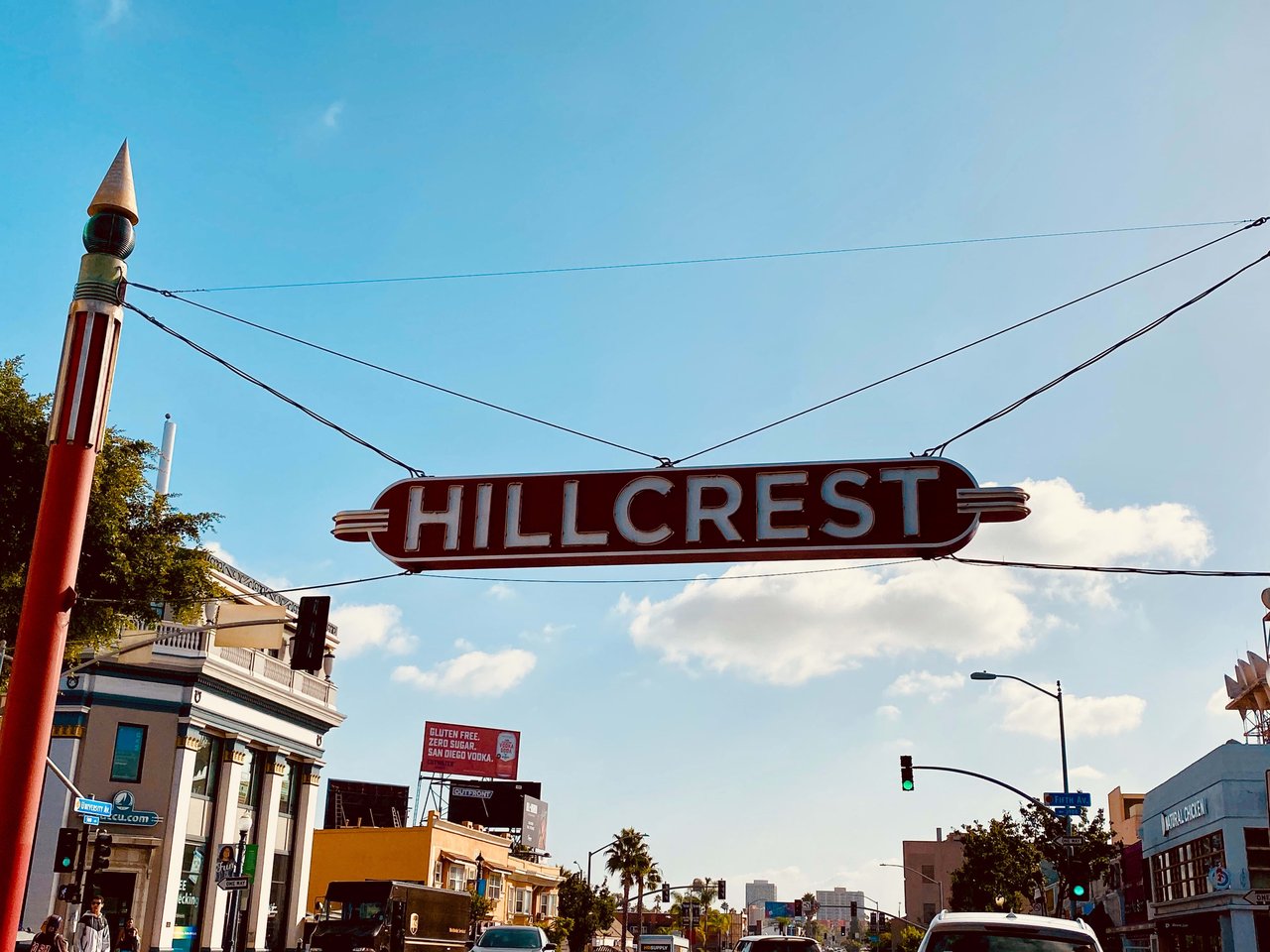
Normal Heights sits in San Diego’s central corridor and grew up around Adams Avenue, with a high concentration of early 20th century bungalows and Craftsman houses. The city’s community plan outlines the neighborhood’s history and housing mix, which helps explain the steady demand for period homes in 92116. You can explore that context in the City of San Diego’s Normal Heights plan for a quick neighborhood snapshot.
Lifestyle is a major draw. Adams Avenue delivers food, retail, and community events that make day‑to‑day living convenient and enjoyable. Local neighborhood guides highlight walkability and proximity to other central areas, which are strong selling points for buyers who value both charm and location.
Features buyers pay for
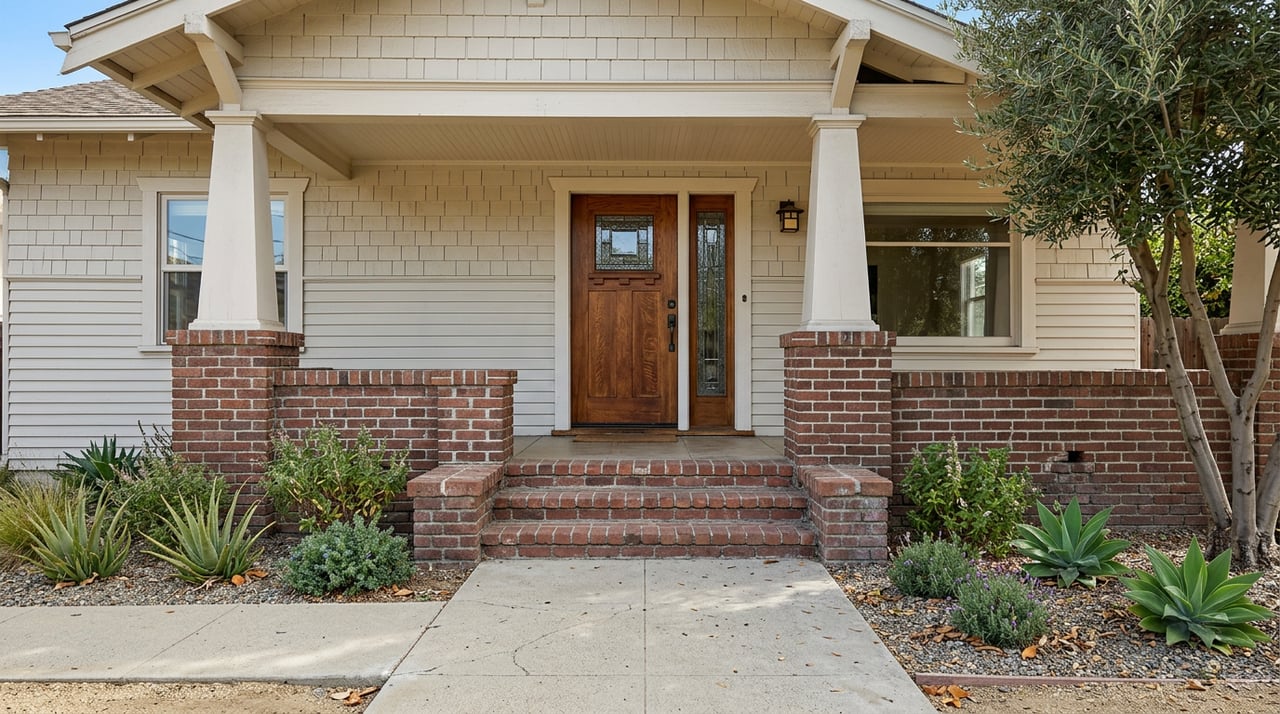
Buyers often respond to authentic details. Hallmark Craftsman elements include original hardwood floors, built‑in cabinets, leaded or multi‑pane windows, period tile, exposed beams or rafter tails, and tapered porch columns. When you preserve these features, you signal authenticity and care.
If you are planning light repairs, the National Park Service’s Preservation Briefs encourage a repair‑first approach for character‑defining elements like wood windows and trim. Using recognized preservation guidance also reassures buyers that updates respected the home’s era.
Systems matter as much as charm
Today’s buyers want the best of both worlds. Original details should shine, and core systems should be reliable. Electrical, plumbing, HVAC, water heating, and insulation are common focus areas in older homes. Clear documentation of upgrades, permits, and service dates helps buyers feel confident and supports your price.
Pricing in 92116: Set the right frame
Portal snapshots show Normal Heights trading near the high six to low seven figures, with recent medians reported around the upper 900s. Use that only as a range finder. Your actual list price should come from a local comparative market analysis that adjusts for:
- Presence and condition of original features
- Quality and documentation of systems upgrades
- Lot utility and any ADU potential
- Overall condition and curb appeal
A neighborhood CMA that leans on recent 92116 comps and on‑market trends will give you the best read on value and likely buyer behavior.
Pre‑list prep that protects character
You do not need a gut remodel to sell well. Focus on visible charm, safety, and insurability.
- Refresh, do not erase. Neutral paint, deep cleaning, and refinishing existing hardwood help period details pop. Keep the palette simple so buyers focus on built‑ins and windows.
- Repair original elements when feasible. Preserve wood windows, trims, and tile where you can. The National Park Service’s Preservation Briefs explain why repair-first strategies preserve character and can be cost effective.
- Handle WDO early. In California, wood‑destroying organism reports are common. Ordering a pre‑listing inspection and addressing findings can remove big escrow hurdles. See consumer guidance from the California Structural Pest Control Board.
- Tackle safety and insurability items. Older electrical systems, including knob‑and‑tube wiring, can trigger insurance or lending concerns. Recent reporting shows some insurers scrutinize outdated systems. Consult a licensed electrician and document fixes or provide a clear plan.
- Lead‑based paint for pre‑1978 homes. If your Craftsman predates 1978, be prepared to provide federal and state lead disclosures. The EPA outlines what must be disclosed and when.
Inspections, permits, and disclosures
A clean file builds trust and reduces renegotiation.
- Mandatory disclosures. California sellers of 1 to 4 unit properties must provide a Transfer Disclosure Statement and a Natural Hazard Disclosure. Homes built before 1978 also require lead‑based paint disclosures. Nolo’s California home‑sale overview explains the basics.
- Pre‑listing inspections. Many San Diego sellers order a general home inspection, a WDO inspection, and an electrician’s assessment. Fix what makes sense and disclose the rest with documentation.
- Permits and historic review. In San Diego, structural, electrical, and plumbing work typically require permits. For homes 45 years or older, some projects can trigger historic review. Check the City of San Diego’s Development Services guidance and assemble any existing permit records.
Create a simple binder or digital packet that includes your WDO report, home inspection summary, permit history, contractor invoices, and a short list of preserved original features. Buyers of historic homes value transparency.
Common issues in early bungalows
Every house is unique, but older Craftsman homes often show patterns that buyers will ask about:
- WDO activity, porch sill or eave rot, and deferred exterior paint
- Galvanized plumbing sections, older water heaters, or partial repipes
- Aging electrical panels and legacy wiring types
- Older HVAC, limited insulation, and weather‑stripping needs
- Localized settlement or small foundation items on compact lots
You do not need to fix everything. Prioritize safety, insurability, and obvious condition issues. Use licensed contractors, keep receipts, and disclose clearly.
Marketing that fits Normal Heights
Your listing should connect the home’s period character to the Normal Heights lifestyle.
- Lead with character. Photograph the porch, fireplace, built‑ins, windows, and period tile. Include close‑ups of hardware and wood grain.
- Be specific and honest. Use plain descriptions like original built‑ins, narrow‑plank hardwood, and leaded‑glass windows. Only claim fully restored if you can show permits and scope.
- Highlight systems work. Note year and permit numbers for major upgrades. Buyers appreciate clarity about what is original and what is new.
- Sell the lifestyle. Reference Adams Avenue amenities and the neighborhood’s walkable feel using a concise, factual tone. Local guides can help set the scene for out‑of‑area buyers.
- Use a floor plan. Many character‑home buyers travel for showings. A clear plan sets expectations and boosts engagement.
Timeline: From prep to list
Every house and calendar is different, but this framework works well for most 92116 Craftsman sellers.
Immediate: 0 to 6 weeks
- Hire a local agent with Craftsman experience in 92116.
- Start your disclosure file. Gather TDS, NHD inputs, and lead disclosures if pre‑1978. Nolo’s guide covers the essentials.
- Order pre‑listing inspections: general home, WDO, and a licensed electrician’s review. The California Structural Pest Control Board explains how WDO reporting works.
Near term: 6 to 12 weeks
- Resolve high‑impact items. Aim for WDO clearance, address obvious electrical hazards, and confirm smoke and CO devices and water heater bracing.
- Prep for market. Neutral paint, light landscaping, and hardwood refinishing help rooms feel clean and bright. Build your photo shot list and floor plan order.
Medium term: 3 to 6 months
- If larger permitted work is needed, schedule now. Electrical upgrades, roofing, or a modest, timeless kitchen or bath update may be worth completing before listing. Check City of San Diego permit guidance, including potential historic review triggers.
- Choose right‑sized updates. National Cost vs Value reports show midrange projects often deliver stronger resale recovery than very high‑end remodels.
Listing window: 6 to 18 months
- Time your launch around local inventory and buyer activity. Spring often brings more buyers, but current rates and supply should guide your move. Your CMA and on‑market trends will help you pick the moment.
Red flags to disclose and document
Full, upfront disclosure protects you and builds buyer confidence. Document and disclose any known WDO damage, unpermitted work, active leaks, mold, legacy wiring, prior fire damage, or foundation concerns. California law requires disclosure of known material facts. When in doubt, disclose and provide any reports or permits you have.
Putting it all together
Normal Heights Craftsman homes perform best when you preserve authentic details, tackle safety and insurability items early, and present buyers with a clear story supported by permits and reports. That combination attracts more qualified buyers and reduces escrow friction so you keep more of your price.
If you want a pricing read on your specific home and a step‑by‑step prep plan, connect with a local advisor who works this niche every day. For a confident, tax‑aware exit that considers your next move too, talk with Nick Emerson. We will help you price precisely, prep efficiently, and position your Craftsman for a smooth sale.
FAQs
How should I price a Normal Heights Craftsman?
- Use a neighborhood CMA that adjusts for preserved features, documented system upgrades, lot utility, and current 92116 supply, with portals only as a rough range finder.
What inspections should I order before listing an older home?
- A general home inspection, a wood‑destroying organism inspection, and an electrician’s assessment help surface issues early so you can repair or disclose clearly.
Do I need permits for work on my 1920s bungalow?
- Structural, electrical, and plumbing work usually require permits in San Diego, and homes 45 years or older can trigger historic review; check the City’s Development Services guidance.
How do insurers view knob‑and‑tube wiring in California?
- Some insurers scrutinize or restrict coverage for legacy wiring, which can affect lending and escrow; consult a licensed electrician and document remediation or provide a clear plan.
What pre‑sale updates deliver the best ROI for a Craftsman?
- Midrange, timeless kitchen or bath refreshes, floor refinishing, and repair‑first preservation of windows and trim often outperform high‑end remodels at resale.