Pull up Mission Hills on any portal this month and you will see three numbers that do not agree. The median list price sits near $1.2 million. The average sold price over the last twelve months is closer to $1.66 million. Price per square foot averages roughly $896. A buyer who anchors on any one of those numbers walks into the neighborhood with the wrong mental model of what the market will actually do to their offer.
The three numbers disagree because they are measuring different halves of a market that has stopped moving in one direction. Mission Hills in mid-2026 is not rising evenly and it is not correcting. It is sorting. Clean, well-parked, well-blocked homes are still transacting fast and near ask. Anything with friction is drifting, negotiating, or sitting. The gap between the two piles is the story.
The three prices, and what each one is actually counting
As of the June 18, 2026 MLS pull, Mission Hills showed 33 active listings, an average of 42 days on market, an average price per square foot of $895.63, and a median list price of $1.2 million.
Set that alongside two other reference points:
- December 2025 baseline (Greater San Diego Association of REALTORS®): countywide detached median $1,050,000, attached median $680,000, months of supply about 1.3, detached DOM 44, attached DOM 38. Inventory countywide was down 54.7 percent year over year for detached homes.
- Trailing twelve-month sold average, Mission Hills: roughly $1.66 million, up close to 20 percent from a year ago.
Three things follow from reading those numbers together, and none of them is what a first-time portal browser would guess.
First, the sold average sits well above the current list median. That is not a sign of runaway appreciation. It is a composition effect. The homes that have actually cleared the market over the last year skew larger and better presented than the pool currently listed. In a sorting market, the good stuff transacts and disappears from the "for sale" column faster than the friction stuff, which is exactly why the list median lands lower than the sold average.
Second, 42 days on market in a county running at 1.3 months of supply is slow. If Mission Hills were behaving like the countywide tightness suggested, DOM would compress. It is not compressing. It is bifurcating. Some listings go pending in under two weeks. Others cross day 60 with a price cut. The 42-day average is what you get when you blend those two populations.
Third, $896 per square foot looks eye-watering until you notice that Mission Hills homes average about 1,831 square feet against a county average closer to 1,983. Buyers here are paying a premium per foot partly because the footprint itself is smaller and older, sitting on a walkable central lot with limited add-on potential. The per-foot number is not a valuation multiple. It is the price of the block.
Where the friction lives
Published 2026 forecasts for Mission Hills flag the same set of features that separate a decisive offer from a negotiation. The list is unromantic and worth memorizing:
Tight or awkward parking. Layouts that fight the lot. Noisy edges near Washington, India, or the freeway shoulder. Dated electrical, sewer lateral, or foundation systems. Overconfident list prices on homes that have not been prepped.
Any two of those in combination is what turns a listing from a 14-day close into a 60-day negotiation. The 2026 forecast language for the neighborhood is direct about it: buyers are condition-sensitive and concession-aware. They will still buy Mission Hills. They will not overpay for friction. Sellers who read the market as "hot" and price to the sold average without addressing the friction items are the ones adding to the DOM figure.
For a buyer, that is the leverage. For a seller, it is the checklist.
Reading the sub-pockets
The neighborhood label flattens meaningful differences between blocks. A few current examples from the June MLS pull, kept generic to protect specific transactions:
- The Lewiston pocket near West Lewis Street is transacting attached product in the high-$700s for roughly 1,200 square feet. That is the price band where a Mission Hills address is functionally accessible to a single professional buyer, and where competition tends to compress DOM regardless of broader trends.
- The Fort Stockton corridor is the mid-rise condo lane. Two-bed, ~1,250-square-foot units are pricing between $1.2 million and $1.3 million, which pencils out closer to $960 per square foot. Buyers here are paying for view, HOA-managed exterior, and lock-and-leave utility.
- Reynard Way and similar entry-attached blocks are producing sub-$500,000 one-bed units in the 700-square-foot range. This is the true floor of the neighborhood and often the honest starting point for a buyer who has been quoted "Mission Hills is a $1.6 million market."
- The Old Town–Mission Hills seam carries listings past $2 million when lot size, view, or renovation quality justify it. These are not comparable to the interior blocks and should not be pulled into a CMA without a very specific reason.
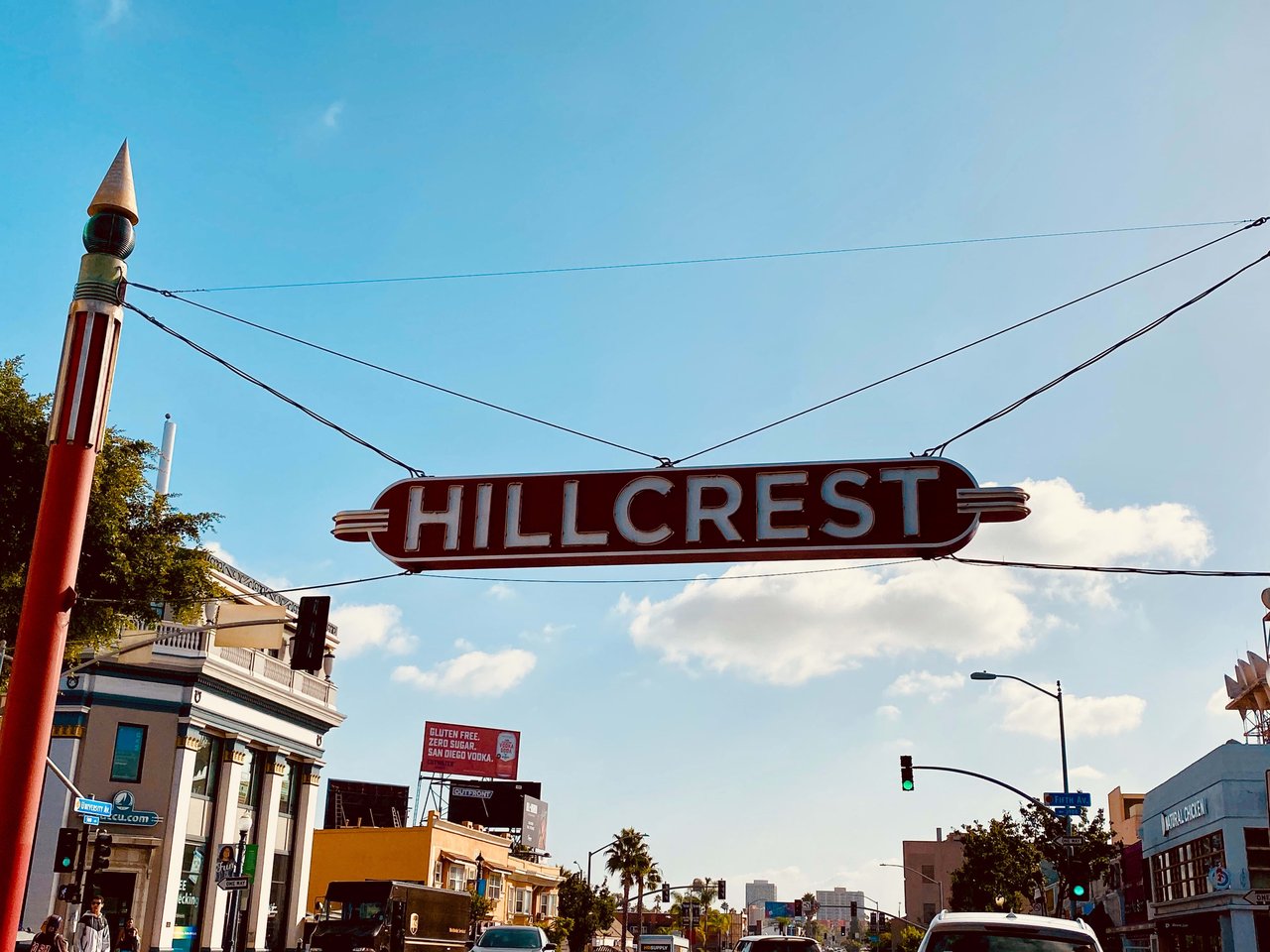
A buyer comparing Mission Hills to Hillcrest or Normal Heights on the strength of a single median is comparing four different sub-markets at once. The right question is not "what does Mission Hills cost." It is "which of these four sub-markets fits the budget and the friction tolerance."
The condo lane is running on different math
Attached product deserves a separate read. A specialized Mission Hills condo tracker showed only one active condo listing in mid-June 2026, with a trailing DOM of 134 days and average $/sqft of about $507. That is a thin, slow lane with meaningful negotiating room for a patient buyer, especially one who can underwrite the HOA and reserve study carefully.
The countywide attached data supports the same read. Attached DOM was up 24 percent year over year going into 2026, and attached buyers are the most payment-sensitive cohort in the market. With Freddie Mac's weekly survey putting the 30-year fixed around 6.16 percent in early January 2026 and the California Association of REALTORS® projecting an average near 6.0 percent for the year, small rate movements move attached demand more than detached. A patient buyer in the Mission Hills condo lane in mid-2026 has more leverage than the headline "hot central San Diego" framing implies.
What a buyer should actually do with this
The practical translation of a sorting market is a short list:
- Anchor to the sold average, not the list median, when evaluating a well-presented home on a quiet block. That is the pile it belongs in.
- Anchor to the list median or below when evaluating a home carrying two or more friction items. That is the pile it belongs in, and the DOM data supports the discount.
- Read parking and layout before you read finishes. Finishes are cheap to fix and are already priced in. Parking is structural.
- Read the block on a weekday at 6 p.m., not on a Saturday at 11 a.m. Noise, traffic, and street parking pressure behave differently.
- For attached product, budget as much attention to the HOA financials as to the unit. In a slow condo lane, a weak HOA is what turns a discount into a trap.
None of that is exotic. It is what the numbers are telling anyone willing to read all three of them together.
FAQ
Are Mission Hills prices going to drop in 2026? A broad drop is unlikely without a macro shock. The more realistic path published in current forecasts is continued dispersion: best-in-class homes hold, compromised listings negotiate.
Why is price per square foot so high compared to the county? Mission Hills homes average about 1,831 square feet against a county average near 1,983. Smaller footprints on walkable central lots pull the per-foot number up even when the total price is comparable.
Is now a better window for attached or detached buyers? Attached buyers currently have more negotiating room, given thin listings, longer DOM, and higher payment sensitivity. Detached buyers face more competition on the well-presented inventory but real leverage on friction listings.
How does a 1031 exchange buyer read this market? Same sorting logic, applied to yield. Friction listings that cash-flow can be repositioned. Trophy listings priced to the sold average rarely pencil as replacement property without a specific operational thesis.
If a Mission Hills purchase, sale, or 1031 replacement is on the table in the next two quarters, the useful conversation is not about the median. It is about which pile a specific property belongs in and what that means for offer strategy, inspection posture, and timing. Emerson Group runs that read block by block. Schedule a Wealth Call to walk through the current sort against a specific budget or portfolio.