If you are looking at a Mission Hills home and wondering what really drives value, you are asking the right question. In this neighborhood, price is not only about square footage or finishes. Buyers and sellers often find that architecture, lot placement, and historic character carry real weight. This guide will help you understand what matters most in Mission Hills Craftsman and Spanish homes so you can make smarter decisions. Let’s dive in.
Why Mission Hills Homes Stand Out
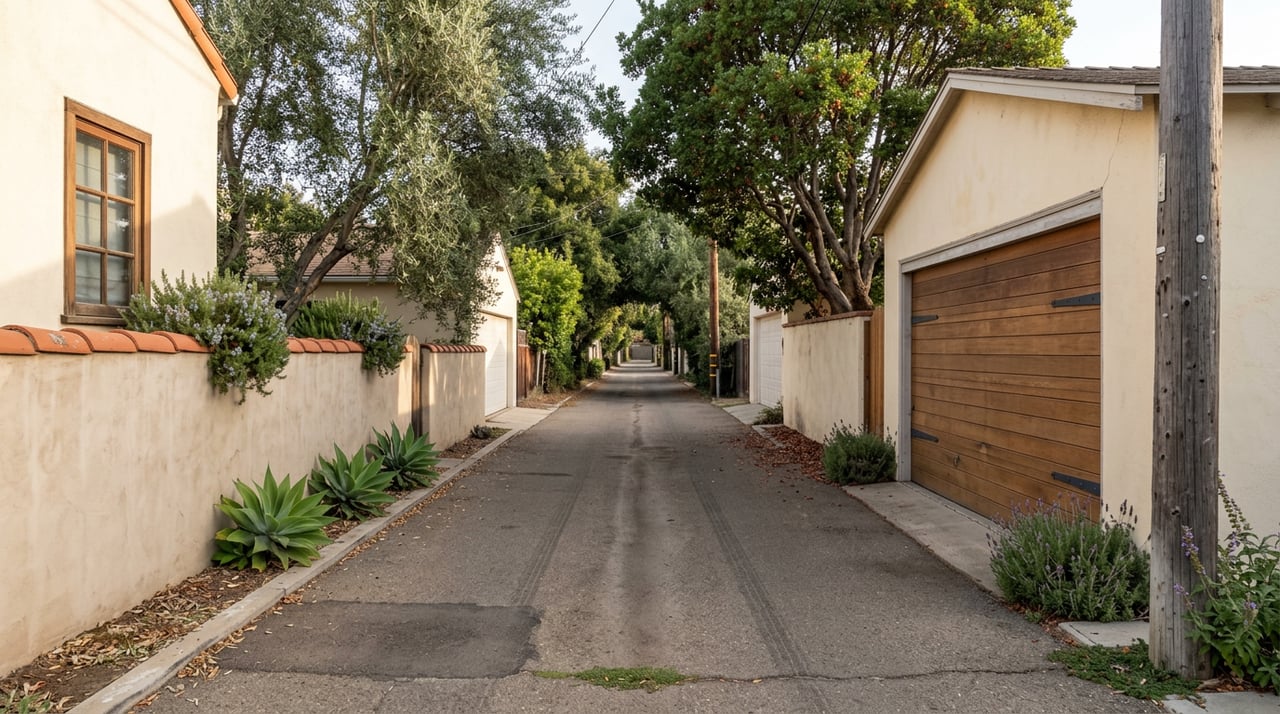
Mission Hills was officially platted in 1908 and developed as a streetcar suburb. City historic materials describe broad streets, curving alignments, and a layout that respects natural topography while preserving ravines for recreation and scenic enjoyment.
That planning history still shapes how the neighborhood feels today. Mission Hills sits above Old Town on mesa elevations and steep canyons, with views toward Mission Valley, San Diego Bay, and Downtown. Many of its homes date to the early 20th century, and Craftsman, Prairie, and Spanish Colonial Revival styles remain central to the neighborhood’s identity.
The City of San Diego has designated historic districts here because of the concentration of quality design and construction, along with a streetscape that still reflects the area’s architectural and planning history. For you as a buyer or seller, that means the neighborhood itself is part of the value story.
Craftsman Value Drivers
Original exterior details matter
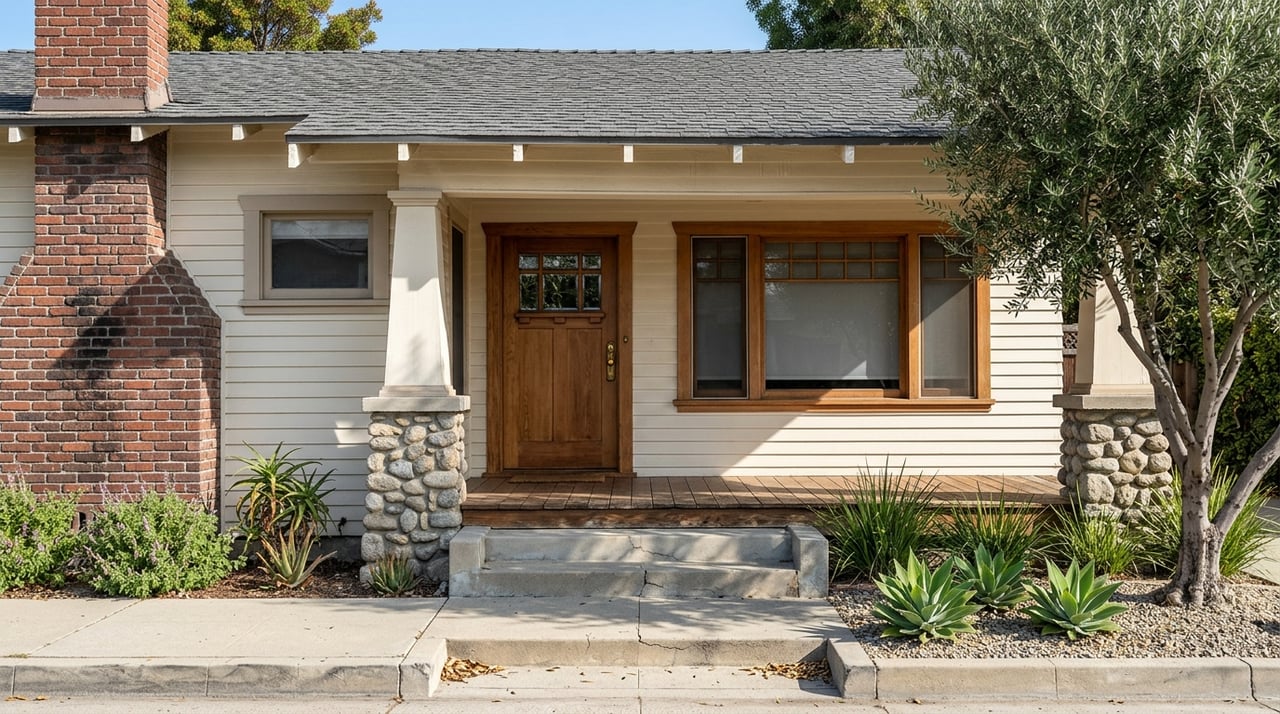
In Mission Hills Craftsman homes, original design features often do a lot of the heavy lifting. The City has identified details like low-pitched gable roofs, wide overhanging eaves, exposed beams or purlins, wood shingle siding, full-width porches, tapered square columns, and wood-framed windows as defining features.
These elements are not just attractive. They help a home read clearly as a Craftsman, which matters in a neighborhood where historic character is closely tied to buyer appeal. When those details remain intact, the home tends to feel more authentic and more connected to the streetscape around it.
Porch geometry and rooflines carry weight
A Craftsman porch is often one of the first things buyers notice. In Mission Hills, original porch proportions, supports, and roof shapes can strongly influence how a home presents from the street.
The same is true for rooflines. If the gables, eaves, and exposed wood details are still in place, the home usually retains the visual language that buyers expect. When those features have been heavily altered, the home can lose some of the clarity that helps it stand out.
Materials and windows support authenticity
Wood-framed windows, original siding, and decorative beams often matter more than a fresh cosmetic update. Preservation guidance and local case files show that integrity is central to how historic homes are evaluated.
For that reason, a remodeled kitchen may be a plus, but it usually does not replace the value of intact original exterior character. In Mission Hills, buyers often respond to homes that still feel rooted in their era.
Spanish Home Value Drivers
Signature style features shape appeal
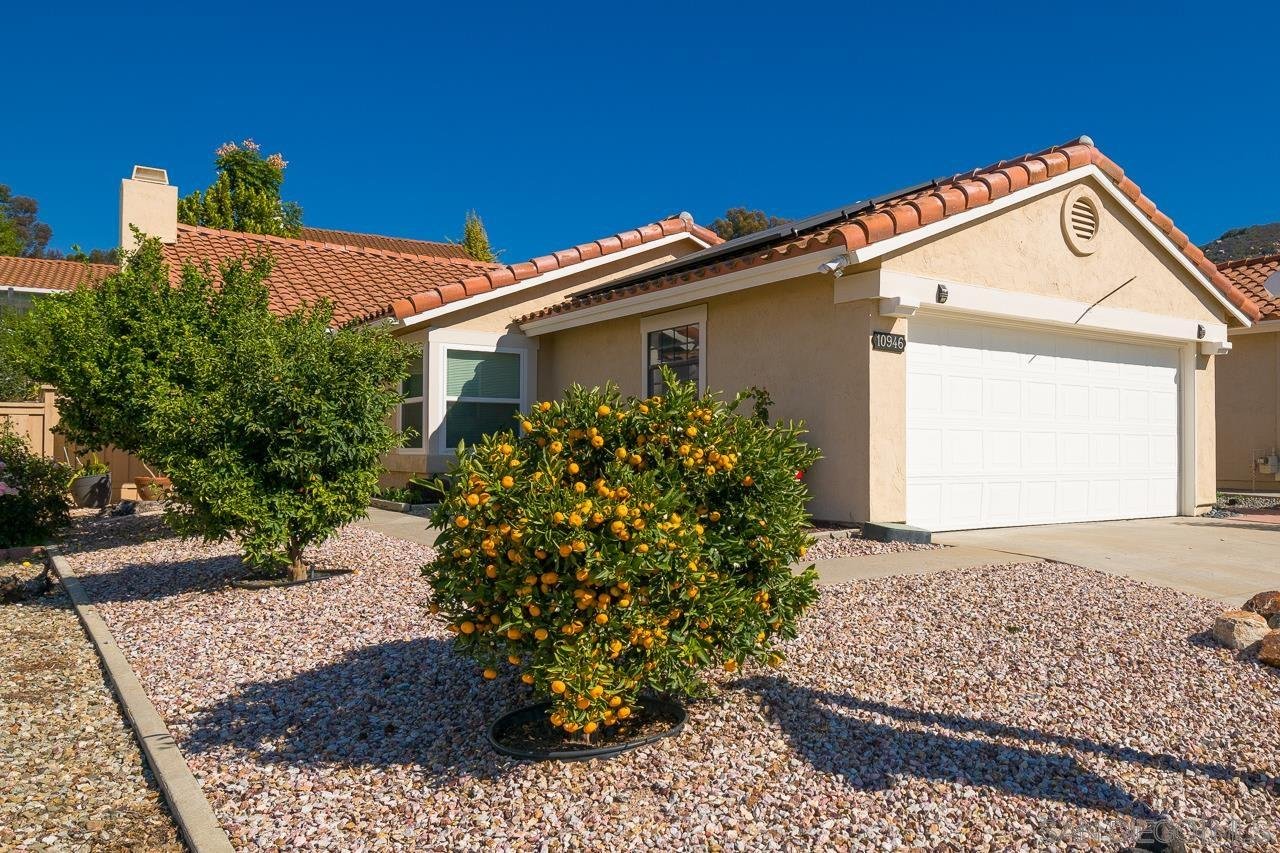
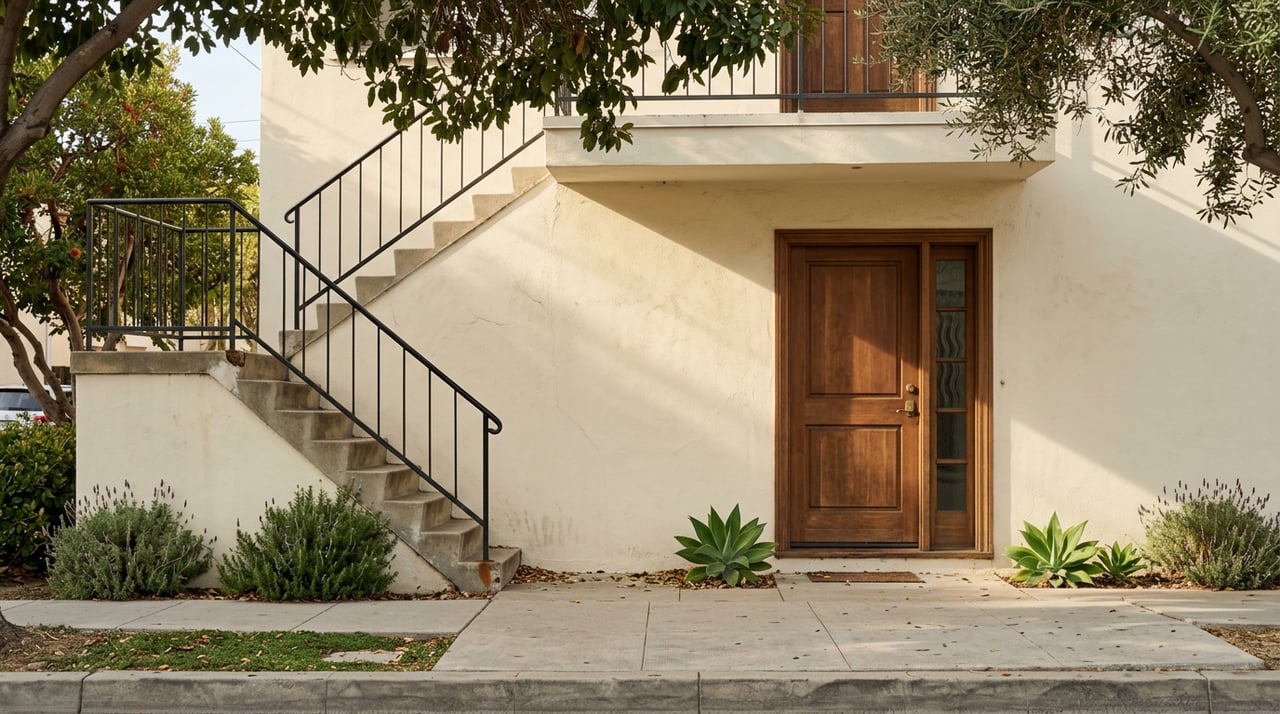
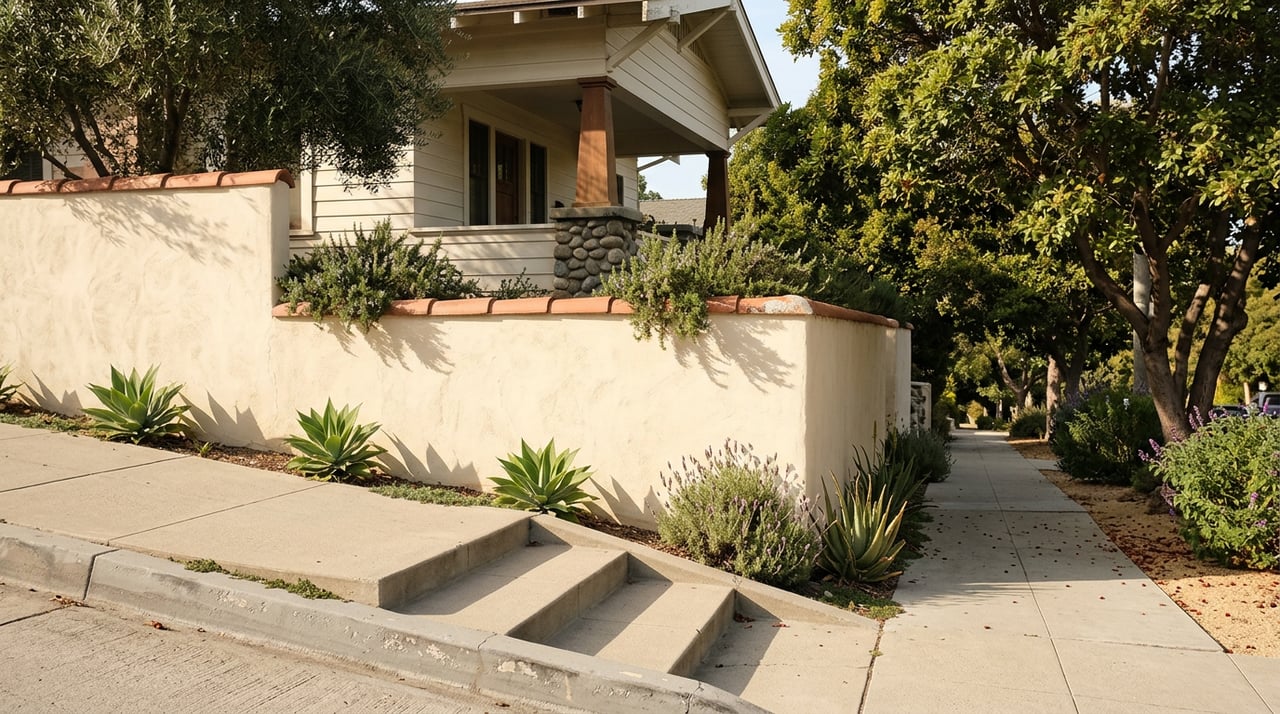
Spanish Colonial Revival homes in Mission Hills are typically recognized by low-pitched red-tile roofs, stucco walls, arched openings, courtyards or patios, wrought iron, decorative tile, and asymmetrical massing. These are the features that give the style its warmth and visual rhythm.
When those details remain visible and well-preserved, the home tends to feel complete. Buyers are often drawn to the way these homes blend architecture and outdoor living rather than treating the exterior as a simple shell.
Courtyards and patios add real value
Outdoor space is especially important in this style. Courtyards, patios, fountains, and landscaped entry sequences help create the indoor-outdoor flow that Spanish homes are known for.
In Mission Hills, that matters even more because the neighborhood’s identity includes mature vegetation, dramatic canyons, and view-oriented lots. A Spanish home that pairs preserved architecture with usable outdoor space often feels more compelling than one with style cues but limited outdoor function.
Light, layout, and arches matter
Arched openings, stucco surfaces, and ironwork help define the style, but the layout also plays a role. Homes that take advantage of natural light and connect interior rooms to patios or terraces often align better with what buyers expect from a Spanish Colonial Revival property.
That does not mean every home needs to be large. It means the design should feel consistent, with character-defining features still doing their job.
Historic Integrity Drives Value
Why originality matters in Mission Hills
In Mission Hills, originality is a major value driver because local preservation standards are built around integrity. The City notes that within a historic district, only minor alterations may be allowed if they do not affect the special character or value of the resource.
District files also show that homes with major front-façade changes or non-historic cladding can be reclassified as non-contributing until those changes are reversed. For you, the practical takeaway is simple: intact rooflines, windows, porches, siding, stucco, and site features often matter more than surface-level upgrades alone.
What can weaken buyer interest
The risk with an older home is not simply age. In Mission Hills, the bigger issue is losing the architectural features that define the house and connect it to the district.
Major changes to the roofline, removal of original materials, and incompatible replacements can narrow the buyer pool. Buyers looking in this neighborhood often want a home that still feels like Mission Hills, not one that has been stripped of the details that made it special.
Lot, Views, and Topography
Site placement influences appeal
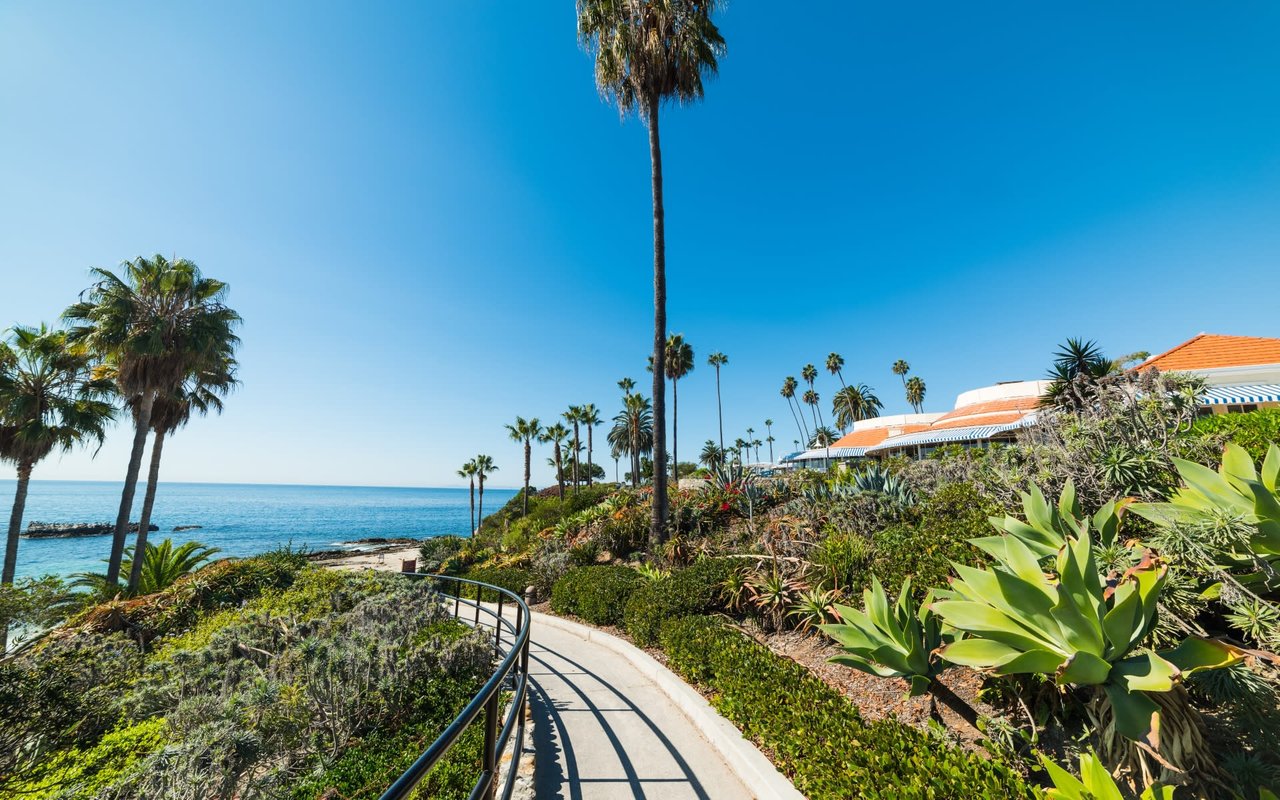
Mission Hills is strongly shaped by topography. The neighborhood includes flatter blocks, curving streets near canyon edges, and west-sloping hillsides with bay views, along with canyon rims that can open up sweeping views of Mission Valley.
Because of that, lot orientation can make a meaningful difference in how a property lives. Homes that capture privacy, natural light, or a strong connection to a view often stand out in a way that goes beyond the house itself.
Indoor-outdoor flow counts here
A lot that works with the hillside setting can increase how usable and memorable a home feels. This could mean a terrace, a courtyard, a yard that relates well to the interior, or a layout that opens toward the best part of the site.
In a neighborhood where canyon edges, mature landscaping, and elevated views shape the experience, the relationship between house and lot often becomes part of the value equation.
Modern Updates That Help
Smart improvements preserve character
The best historic homes usually balance authenticity with practical updates. The City notes that contributing resources may benefit from tools such as the State Historic Building Code, adaptive-reuse permits, setback flexibility, and Mills Act property-tax relief.
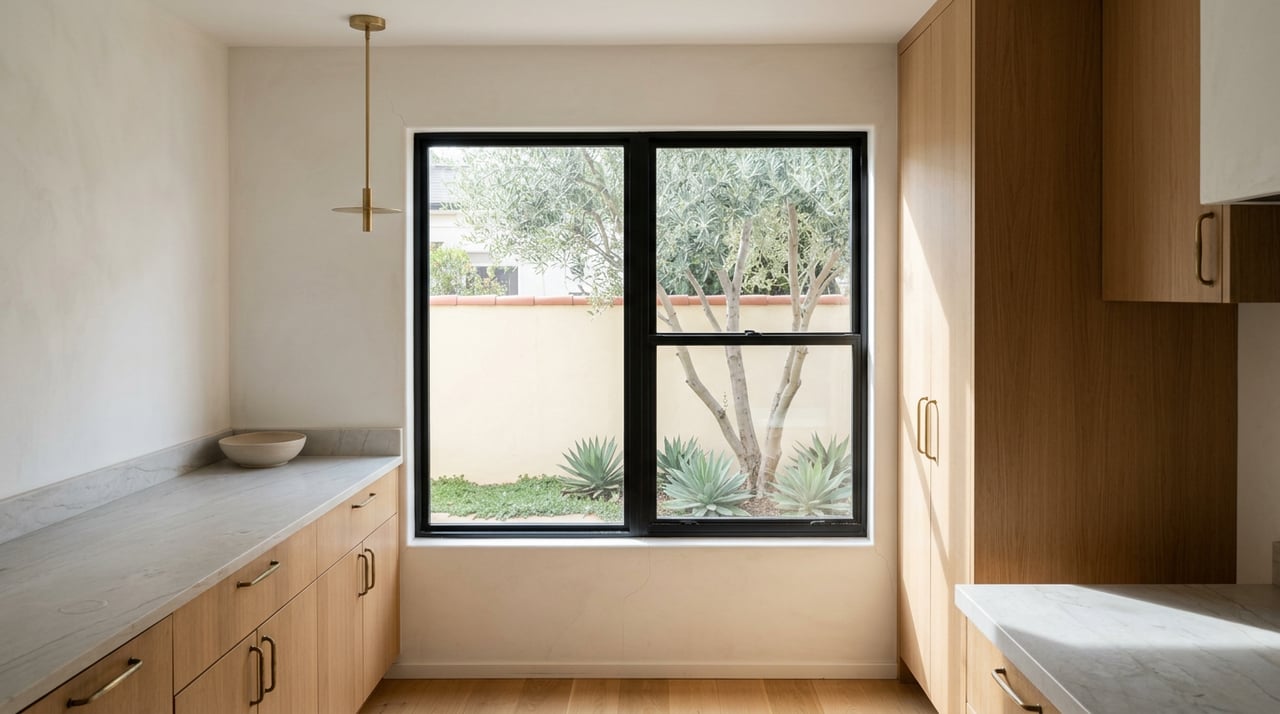
At the same time, preservation guidance supports rehabilitation that maintains integrity while allowing compatible contemporary use. In practical terms, kitchens, baths, HVAC, plumbing, and structural improvements can absolutely add value when they are done in a way that respects the home’s original design.
Updates should fit the house
The strongest renovations usually preserve original proportions, materials, and architectural details. A well-updated home should feel easier to live in without feeling disconnected from its era.
That is especially important in Mission Hills, where buyers often pay close attention to whether improvements enhance the home or erase what made it distinctive in the first place.
Historic District Status and Market Demand
The district itself adds value
The City of San Diego says historic districts can create indirect benefits for properties, including increased property values because of the desirable nature of the district and the preservation of the quality and characteristics that attract buyers.
In Mission Hills, that means people are often buying more than a house. They are also buying into a preserved streetscape, established architectural identity, and a recognizable sense of place.
Incentives may also matter
For some owners, contributing status may come with added advantages. The City notes that contributing resources can access incentives such as Mills Act property-tax relief.
That does not replace the need for careful property-specific analysis, but it does mean historic status can be part of a broader ownership strategy. For buyers who think long term, that can be an important part of the conversation.
What Buyers and Sellers Should Watch
If you are buying
Focus on the features that are hardest to recreate later. These often include:
- Original rooflines and eaves
- Intact porches, arches, and exterior details
- Historic windows, siding, or stucco
- Courtyard, patio, or yard usability
- Lot orientation, privacy, and views
- Updates that fit the home’s style
If you are selling
Your strongest value story usually starts with clarity. Buyers in Mission Hills often respond best when they can easily see the home’s architectural identity, how it sits on the lot, and what upgrades have been made without sacrificing character.
That is where informed positioning matters. A strong strategy should highlight preserved features, explain compatible improvements, and frame the home within the neighborhood’s historic context rather than marketing it like a generic property.
Whether you are evaluating a primary residence, a future rental, or part of a broader portfolio decision, it helps to look past surface finishes and focus on what Mission Hills buyers consistently value most. If you want guidance on how a specific property fits that picture, connect with Nick Emerson to discuss your next move.
FAQs
What matters most in a Mission Hills Craftsman home?
- Original porch geometry, rooflines, exposed wood details, windows, and a lot that still feels connected to the historic setting are key value drivers.
What matters most in a Mission Hills Spanish Colonial Revival home?
- Stucco, red-tile rooflines, arches, ironwork, courtyard or patio space, and a layout that supports light and outdoor living are usually the most important features.
Does historic district status affect Mission Hills home value?
- The City of San Diego says historic districts can indirectly support property values by preserving the quality and characteristics that make the area desirable.
Can you update a Mission Hills historic home without hurting appeal?
- Yes, updates can support value when they are compatible with the home’s character and preserve the original features that define the style.
What can weaken value in a Mission Hills historic home?
- Major front-façade changes, roofline alterations, non-historic cladding, and removal of period details can weaken a home’s standing and narrow the buyer pool.