If you live outside San Diego, buying a rental in Hillcrest can feel like trying to manage two markets at once. You want a neighborhood with real tenant demand, solid numbers, and fewer surprises once the property is yours. The good news is that Hillcrest gives you a strong case for all three if you underwrite carefully and plan for local operating rules. Let’s dive in.
Why Hillcrest attracts renters
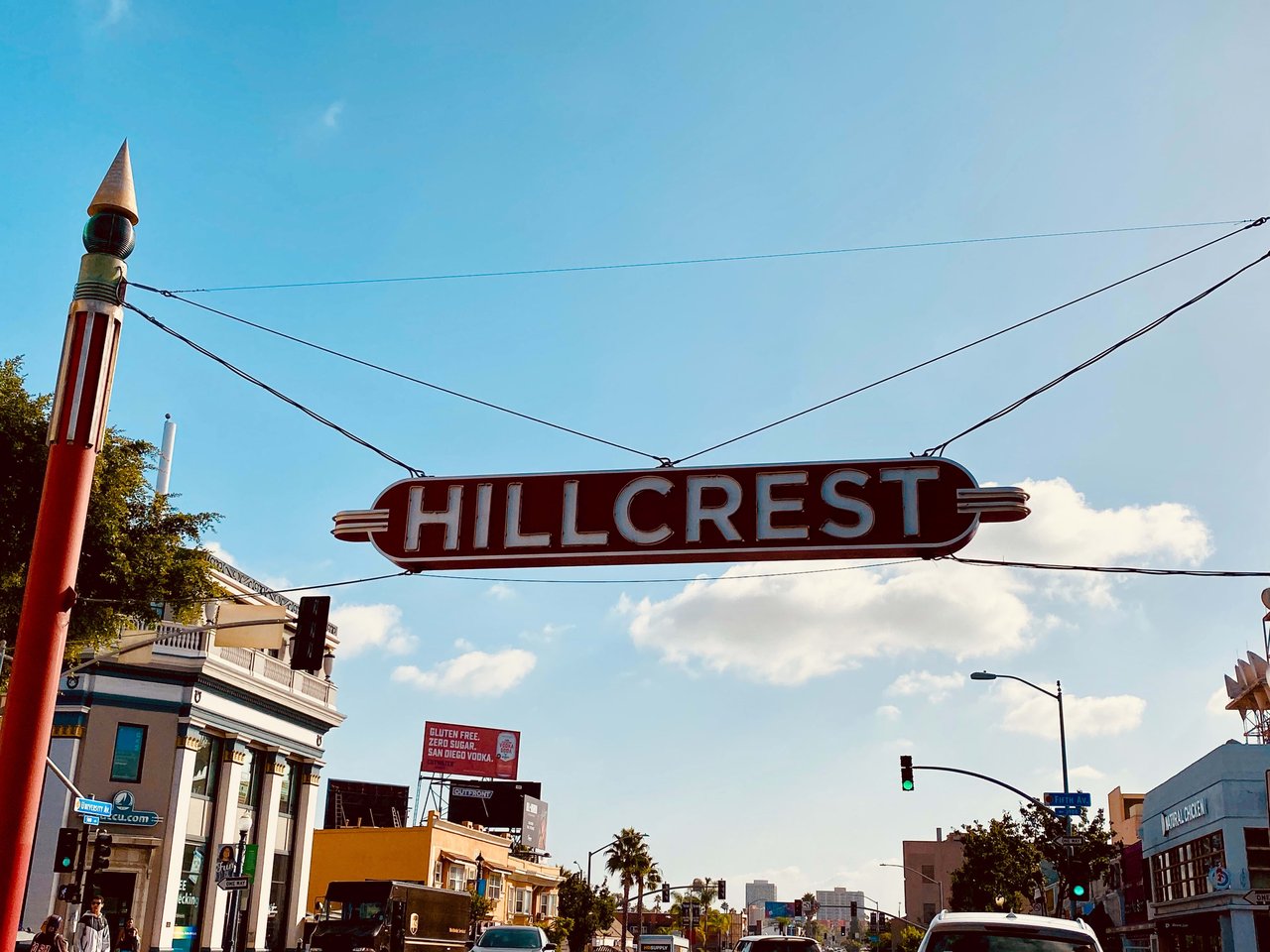
Hillcrest stands out as a central San Diego neighborhood with built-in demand drivers. The City of San Diego describes it as an area with restaurants, retail, medical offices, two major hospitals, and a mix of older homes, newer apartments, and condominiums.
For you as an out-of-area owner, that matters because renter demand often follows convenience and daily livability. Hillcrest also benefits from strong connections to Balboa Park, Downtown, and North Park, and the city’s 2024 Hillcrest Focused Plan Amendment is designed to add housing near transit and services.
This is not a fringe submarket that depends on one demand source. It is a city-supported infill neighborhood where amenity density, medical employment, and neighborhood identity all help support rentability.
Why location matters for remote owners
When you invest from outside the area, you usually want a neighborhood that can lease on its own merits. Hillcrest checks that box because tenants are often drawn to central access, nearby services, and transportation options.
MTS highlights transit service in and around Hillcrest through Route 3, Route 10, Route 11, and Rapid 215. That kind of connectivity can widen your tenant pool, especially for renters who value access to job centers and daily errands without long commutes.
For a remote investor, easier leasing can reduce downtime between tenants. That does not remove risk, but it can make the asset easier to operate compared with a location that relies more heavily on car-dependent demand.
What property types you will find
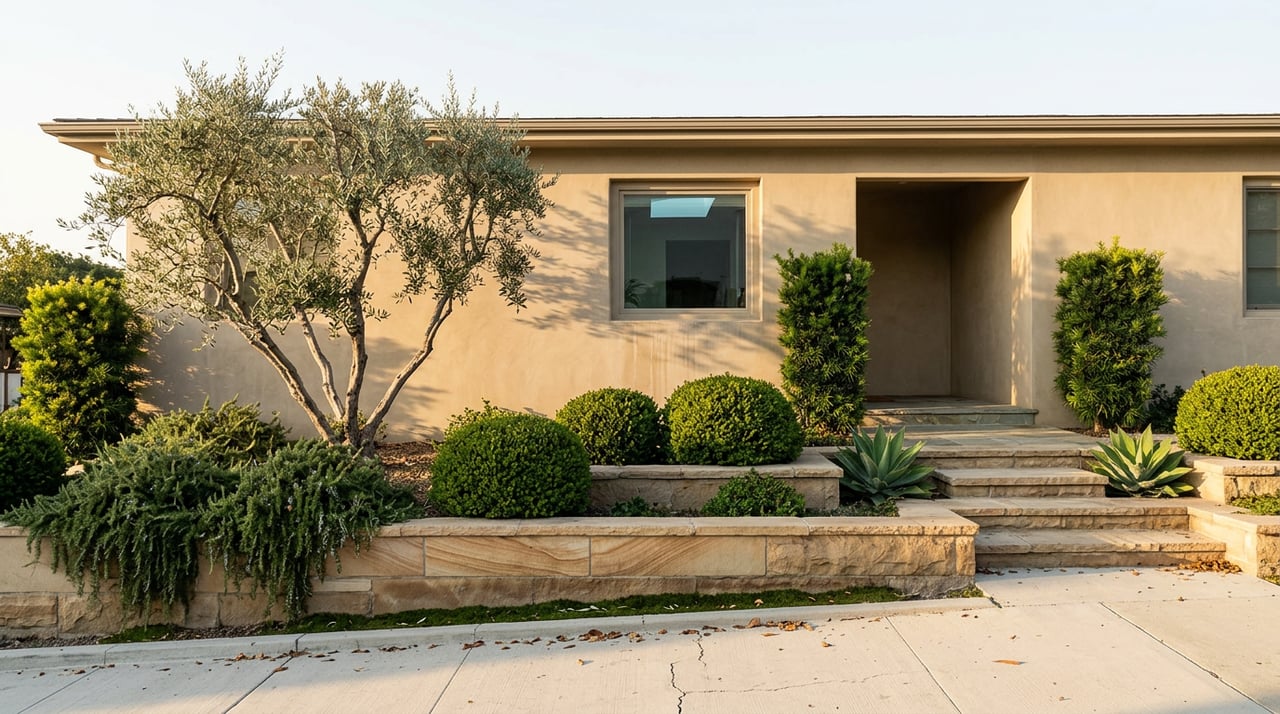
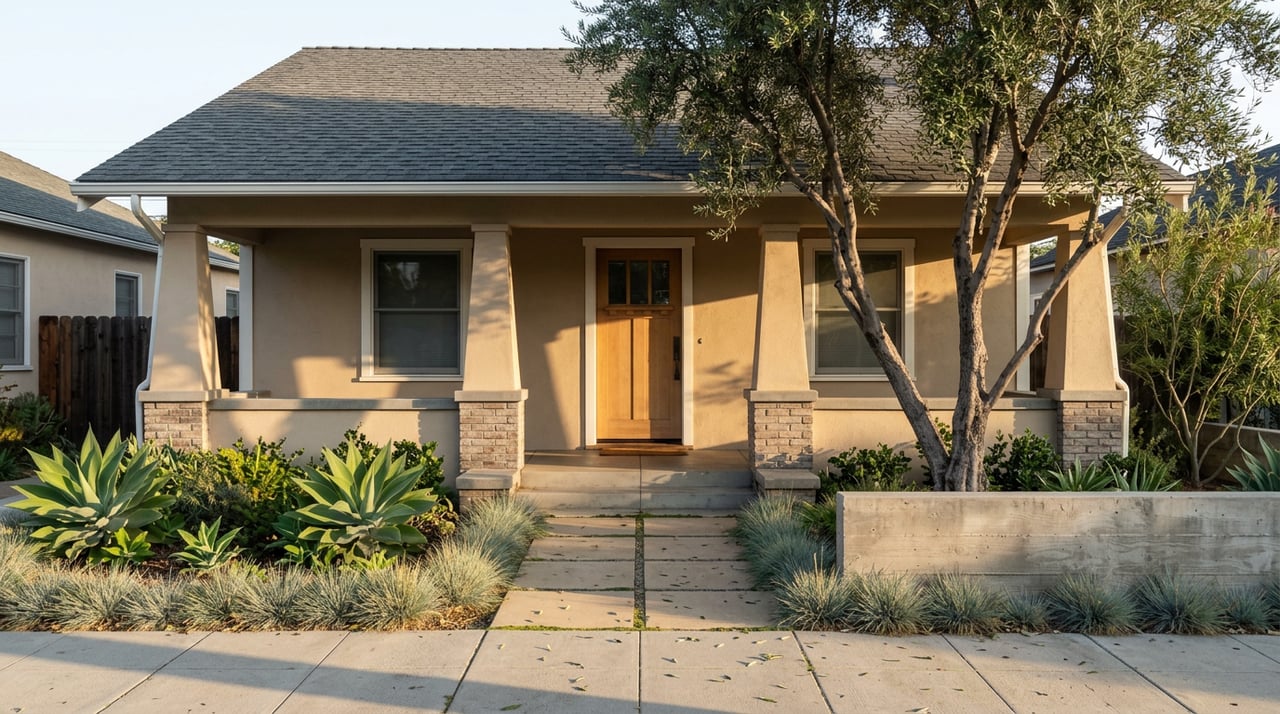
Hillcrest has a mixed housing stock, which is important when you start comparing deals. Older homes sit alongside newer apartments and condos, so one block can feel very different from the next.
That mix creates opportunity, but it also means you need to be careful with comps. A small multifamily property, a condo, and a detached home may all compete in the same broader neighborhood, yet they can perform very differently on rent, maintenance, and tenant appeal.
For out-of-area owners, this is where a neighborhood-specific approach matters. You are not just buying in Hillcrest. You are buying a specific asset type with a specific operating profile.
Hillcrest market signals to know
Public market data shows a neighborhood that is active but not overheated. Realtor.com’s March 2026 Hillcrest data showed a median listing price of $735,000, a median rental price of $3,033 per month, 56 homes for sale, 111 rentals, a 99% sale-to-list ratio, and a median 46 days on market.
That same source showed rents up 1.10% year over year and down 1.43% month over month. In plain terms, Hillcrest looks like a mature rental market with steady activity rather than a market defined by sharp swings.
Other public trackers point in a similar direction. Zillow’s Hillcrest home value index was $787,146 as of May 31, 2026, and Redfin’s March 2026 median sale price was $782,500. These sources measure different things, so it is better to treat them as directional checks than as one exact value.
How to screen a Hillcrest deal quickly
A good first-pass metric for an out-of-area buyer is gross yield. This is simply annual market rent divided by purchase price. It is not a full investment analysis, but it gives you a quick way to compare neighborhoods before you layer in taxes, insurance, management, repairs, vacancy, and financing.
Using the public March 2026 figures from Realtor.com, Hillcrest screens at an approximate gross yield of 4.95%. That places it near North Park and Bankers Hill on this simple measure.
| Neighborhood | Median Listing Price | Median Rent | Approx. Gross Yield |
|---|---|---|---|
| Hillcrest | $735,000 | $3,033/mo | 4.95% |
| North Park | $719,000 | $2,850/mo | 4.76% |
| Bankers Hill – Park West | $970,000 | $4,000/mo | 4.95% |
| Little Italy | $644,500 | $3,343/mo | 6.22% |
| Mission Hills | $1,998,111 | $3,227/mo | 1.94% |
| University Heights | $1,423,500 | $2,575/mo | 2.17% |
This does not mean Hillcrest is automatically the best buy. It does mean Hillcrest can make sense if you want a central San Diego location with urban demand and a public yield screen that remains competitive with nearby neighborhoods.
Why Hillcrest can fit 1031 buyers
If you are selling an investment property and looking for a replacement asset, Hillcrest may fit a 1031 exchange strategy. The IRS states that a 1031 exchange must involve real property held for investment or business use, which means a Hillcrest rental can qualify when structured correctly.
From a portfolio standpoint, Hillcrest can appeal to tax-aware buyers who want to keep capital in a central San Diego asset. It offers a middle-ground position for investors who want strong location fundamentals without necessarily moving into the highest public price tiers nearby.
For out-of-area owners, that can be especially attractive when you want both location quality and a property that remains practical to lease and manage. The key is to evaluate the asset, not just the tax deferral benefit.
The local costs remote owners must plan for
Operating from a distance works better when you underwrite the boring costs up front. In Hillcrest, a few local items deserve special attention.
California property tax is generally 1% plus voter-approved indebtedness and assessments, according to the California Board of Equalization. San Diego County says secured tax bills are generally due November 1 and February 1, with delinquent dates of December 10 and April 10.
The City of San Diego also imposes a Rental Unit Business Tax on anyone who owns, operates, or manages residential rental property in the city. For existing owners, it is generally due March 1, and the amount varies by unit count. Late penalties can apply if you miss it.
For a remote owner, small missed deadlines can turn into preventable expenses. That is why local compliance should be part of your acquisition plan, not something you sort out after closing.
Rent rules you need to verify
If you are projecting future rent growth, you need to verify whether the property falls under California’s AB 1482 rules. According to the California Attorney General, the law caps most annual rent increases at the lower of 10% total or 5% plus CPI, and it adds just-cause protections after 12 months.
Some units are exempt, so you should confirm the property’s status before you rely on aggressive rent-growth assumptions. This is especially important if you are buying based on a future value-add plan.
For out-of-area investors, this is one of the biggest underwriting mistakes to avoid. Rent growth is not just a market question. It is also a compliance question.
Parking is not a side issue in Hillcrest
In many neighborhoods, parking is a convenience. In Hillcrest, it is often part of the product you are offering tenants.
The neighborhood sits within the Uptown Community Parking District, which manages parking supply and mobility improvements across Hillcrest, Mission Hills, and Bankers Hill. That tells you parking is a real local issue, not a minor detail.
If a property includes off-street parking, guest parking, or especially strong walkability, that can affect how easily the unit leases. For a remote owner, parking should be part of the investment analysis from day one because it can influence tenant demand, turnover, and marketing.
Short-term rental plans need extra review
If you are considering a short-term rental strategy instead of a standard lease, you need to review San Diego’s local rules carefully. The city requires TOT registration for stays under one month, and short-term residential occupancy rules may also apply.
That means you should not assume a property can smoothly shift between long-term and short-term use. Your business plan needs to match the city’s rules before you count on that income.
For many out-of-area owners, a standard rental may offer more predictable operations. The right choice depends on the property and your management plan.
How remote owners can reduce risk
Distance does not have to be a disadvantage if you build the right process around the asset. In Hillcrest, a smart approach usually includes a few basics:
- Compare rents by asset type, not just by neighborhood average
- Review parking and access before you assume strong tenant demand
- Underwrite local taxes and city fees from the start
- Verify whether AB 1482 applies to the property
- Treat public market data as a screen, then validate with property-level analysis
- Match your hold strategy to the neighborhood’s central, urban renter profile
If you follow that framework, you can make better decisions before emotion gets involved. That is especially valuable when you are buying from outside the market.
The bottom line on Hillcrest investing
Hillcrest offers a compelling mix for out-of-area rental investors. It has central San Diego access, durable renter demand drivers, mixed housing stock, and public pricing and rent signals that support serious consideration.
At the same time, it is not a plug-and-play market. Parking, city taxes, rent rules, and asset-specific underwriting all matter here. If you want Hillcrest to perform like an investment and not just feel like a good location, your plan needs to cover acquisition, compliance, and operations together.
If you want help evaluating Hillcrest as a rental market, planning a 1031 exchange, or building a smarter acquisition-to-management strategy, connect with Nick Emerson.
FAQs
Is Hillcrest a good San Diego neighborhood for out-of-area rental owners?
- Hillcrest can be attractive for out-of-area owners because it combines central location, transit access, medical employment, and strong neighborhood amenities that help support tenant demand.
What is the median rent in Hillcrest, San Diego?
- Realtor.com’s March 2026 neighborhood data showed a median rental price of $3,033 per month in Hillcrest.
What is the median home price in Hillcrest, San Diego?
- Public market trackers vary, but Realtor.com showed a $735,000 median listing price in March 2026, while Redfin and Zillow both pointed to values in the upper $700,000 range.
Does parking matter when buying a rental in Hillcrest?
- Yes. Hillcrest is part of the Uptown Community Parking District, so off-street parking, guest parking, and walkability can all affect leasing and tenant appeal.
What taxes should Hillcrest rental owners plan for?
- You should plan for California property taxes, which are generally 1% plus voter-approved indebtedness and assessments, along with San Diego’s Rental Unit Business Tax for residential rental property owners.
Do Hillcrest rentals fall under California rent cap rules?
- Some do. California’s AB 1482 caps most annual rent increases at the lower of 10% total or 5% plus CPI and adds just-cause protections after 12 months, but some units are exempt, so you need to verify the property’s status.
Can a Hillcrest rental property work in a 1031 exchange?
- Yes, a Hillcrest rental can fit a 1031 exchange if it is held for investment or business use, which is the standard the IRS applies to like-kind exchanges of real estate.